


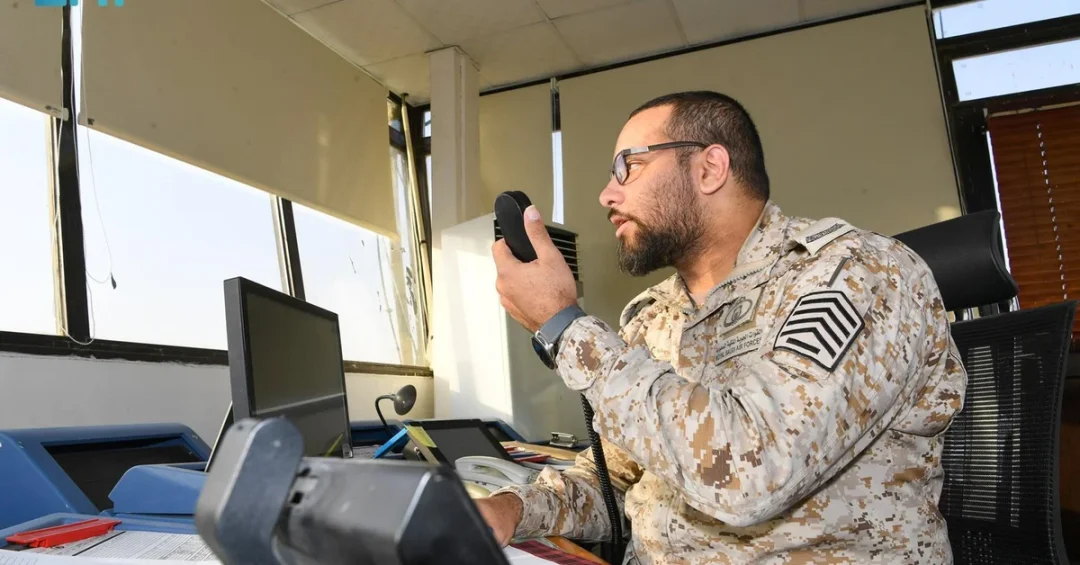
Royal Saudi Air Force Supports Security Efforts in Ensuring Safety at Holy Sites
The Royal Saudi Air Force is actively participating in the comprehensive plan of the Ministry of Defense to support the efforts of all security and government agencies in providing services and facilities to pilgrims during the annual Hajj season. According to a statement released via the Saudi Press Agency, the air force has deployed its capabilities to strengthen security measures and prevent any incidents that could disrupt the security of Hajj and the safety of pilgrims, from their arrival to perform the rituals until their departure from the holy sites.
Context and Background
Hajj, one of the largest religious gatherings globally, attracts millions of pilgrims to the sacred sites in Makkah and Madinah. The Kingdom of Saudi Arabia, under the vision of Vision 2030, has consistently worked to enhance the infrastructure and services for pilgrims, ensuring a smooth and safe experience. The role of the Royal Saudi Air Force is a key component of this broader effort, reflecting the country’s commitment to leveraging advanced technology and human resources to secure the holy locations.
Key Details
The Air Force is entrusted with the responsibility of organizing, managing, and monitoring the airspace over the holy sites. This includes supervising air traffic for all aircraft participating in the Hajj mission from other sectors, as well as securing the necessary aircraft to implement the security plan. Additionally, the Air Force equips airports with specialized technicians to detect hazardous materials, further solidifying the security framework. Collaboration with the Ministry of Interior ensures a coordinated response to security plans, including monitoring traffic and pedestrian movement, and overseeing Makkah’s ports and sorting points to prevent the infiltration of those who might violate Hajj regulations.
The continuous round-the-clock flights are operational around the clock to ensure continuous surveillance and support, demonstrating the air force’s commitment to maintaining a secure environment for all pilgrims.
Implications and Impact
This deployment highlights Saudi Arabia’s dedication to safeguarding its guests with the highest standards of safety and professionalism. The integration of advanced air and surveillance capabilities not only enhances the security of the pilgrimage but also reinforces the Kingdom’s reputation as a leading host of global religious events. By actively preventing and containing any potential threats, the air force plays a crucial role in facilitating a harmonious and fulfilling experience for millions of Muslims, thereby contributing to regional stability and international trust.
Vision 2030 Alignment
The Royal Saudi Air Force’s participation in Hajj security is a testament to Vision 2030’s goals of promoting economic growth and global engagement while ensuring the safety and well-being of all visitors. As part of the Kingdom’s plan to accommodate an increasing number of pilgrims, the modernized and agile air force ensures that every safety measure is in place. This approach not only secures the holy sites but also projects Saudi Arabia as a proactive and responsible leader in managing one of the world’s largest annual gatherings, reinforcing its role as a beacon of security and hospitality in the region.
20 Questions
Q1. What is the primary role of the Royal Saudi Air Force during Hajj?
A1. The Royal Saudi Air Force ensures the security and safety of the airspace and conducts continuous surveillance to protect pilgrims and support security agencies. It provides advanced air support and monitoring throughout the holy sites to prevent any incidents.
Q2. How does the Air Force contribute to the Ministry of Defense’s plan for Hajj?
A2. It implements the security plan of the Ministry of Defense by deploying aircraft, managing airspace, and coordinating with other security agencies. This collaborative effort enhances security and ensures the smooth flow of pilgrim movement and services.
Q3. Which ministry does the Air Force collaborate with to secure the holy sites?
A3. The Air Force works alongside the Ministry of Interior to follow up on security plans, monitor traffic, and oversee entry points to prevent unauthorized access. This joint effort strengthens the overall safety infrastructure for pilgrims.
Q4. What specific tasks does the Air Force perform in airspace management?
A4. The Air Force organizes, manages, and monitors airspace, supervising all aircraft participating in the Hajj mission. It ensures safe and orderly air traffic control over the holy sites, coordinating with other sectors to avoid any potential conflicts.
Q5. How does the Air Force help prevent incidents at the holy sites?
A5. Through continuous surveillance and round-the-clock flights, the Air Force detects and addresses any potential threats or irregularities, ensuring a secure environment. It also supports on-ground security with aerial views to prevent security breaches.
Q6. What is the role of the technicians equipped by the Air Force at airports?
A6. They detect hazardous materials and ensure that all aviation equipment is safe and secure for the pilgrims’ transport. This is part of the Air Force’s efforts to maintain high safety standards at all entry points.
Q7. How does the Air Force support the prevention of pilgrim infiltration?
A7. By overseeing ports and sorting points, the Air Force helps prevent those who might violate Hajj regulations from entering the holy sites. It uses aerial monitoring to track movement and support ground forces.
Q8. Does the Air Force operate around the clock during Hajj?
A8. Yes, the Air Force operates flights around the clock to ensure continuous surveillance and support. This round-the-clock presence is crucial for real-time monitoring and immediate response to any security or safety concerns.
Q9. What is the relationship between the Air Force and the Ministry of Defense?
A9. The Air Force is a component of the Ministry of Defense, and its deployment is part of the Ministry’s comprehensive security plan for Hajj. This integrated approach ensures that all military capabilities are used effectively.
Q10. How does the Air Force assist in traffic and pedestrian monitoring?
A10. By providing aerial views, the Air Force helps in monitoring traffic flows and pedestrian density, enabling ground forces to manage crowd movement and avoid congestion. This intelligence is vital for ensuring pilgrim safety and comfort.
Q11. What types of aircraft does the Air Force deploy for Hajj?
A11. The Air Force deploys various aircraft suited for reconnaissance and surveillance, including fighter jets and unmanned aerial vehicles (UAVs) as required for effective monitoring. These assets provide real-time data to security command centers.
Q12. How does the Air Force’s participation enhance security? 2030?
A12. It directly supports Vision 2030 by showcasing Saudi Arabia’s advanced capabilities in hosting large-scale events. This enhances the Kingdom’s global reputation and contributes to the goal of providing exceptional services to all pilgrims.
Q13. What measures are in place to handle any hazardous material threats?
A13. The Air Force equips airports with specialized technicians and equipment to detect and neutralize hazardous materials. This preventive measure is supported by continuous aerial monitoring to ensure no threats go unnoticed.
Q14. How does the Air Force coordinate with other sectors in the Hajj mission?
A14. It supervises air traffic for all aircraft from other sectors, ensuring they operate within the designated airspace. This coordination is vital for a unified operation, avoiding conflicts and maintaining efficiency.
Q15. What is the role of the Air Force in the overall security strategy for Hajj?
A15. The Air Force provides aerial eyes and response capabilities to the overall security strategy. It acts as a force multiplier, providing surveillance and logistical support to ground security teams.
Q16. How does the Air Force ensure the safety of the holy sites?
A16. The Air Force uses high-precision surveillance and monitoring to quickly respond to any security threats. It also works in tandem with other security agencies to implement the defense plan, ensuring the protection of all pilgrims.
Q17. What is the significance of the Air Force’s continuous surveillance?
A17. Continuous surveillance provides around-the-clock coverage of the holy sites, allowing for the detection and immediate response to any unauthorized activity. This significantly reduces the risk of incidents and enhances overall safety.
Q18. Does the Air Force play a role in the security of pilgrims’ return?
A18. Yes, the Air Force is involved from the moment pilgrims arrive until they depart. This includes monitoring the departure zones and ensuring that all security measures are maintained during the high-traffic exit periods.
Q19. How does the Air Force support the Ministry of Interior in its duties?
A19. It provides aerial intelligence and surveillance to the Ministry of Interior, supporting efforts to monitor traffic, oversee ports, and prevent violations. This collaboration enhances the Ministry’s efficiency and responsiveness.
Q20. What does the Air Force’s participation indicate about Saudi Arabia’s leadership in Islamic world?
A20. It underscores Saudi Arabia’s unwavering commitment to safeguarding the spiritual journey of millions of Muslims. It highlights the Kingdom’s capacity to organize and manage large-scale events with sophistication and diligence, reinforcing its leading role.
Reader Feedback
We value your thoughts. Please share your feedback on this article.
Your feedback helps us improve our coverage.