


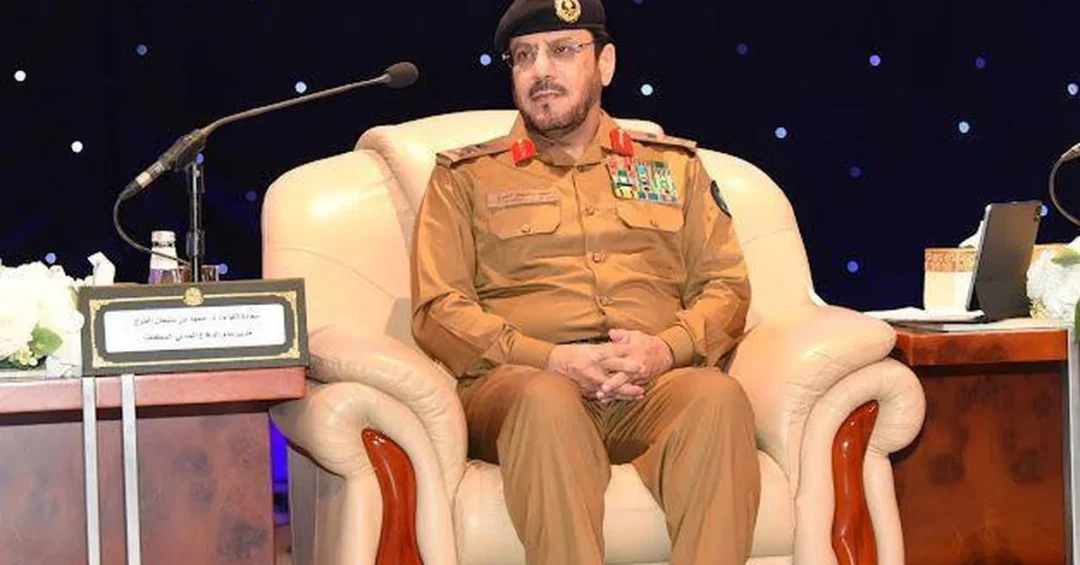
Major General Dr. Hammoud bin Suleiman Al-Faraj, Acting Director General of Civil Defence, affirmed that the directorate has fully utilized its capabilities to ensure the security and welfare of pilgrims during the Hajj season 1445 AH. He made this statement during an annual meeting with civil defence employees participating in this year’s Hajj, emphasizing the comprehensive preparedness and strategic planning that guide their operations.
Context and Background
Every year, the Kingdom of Saudi Arabia welcomes millions of pilgrims from around the world to perform Hajj, one of the largest religious gatherings on Earth. Ensuring the safety and well-being of these pilgrims is a national priority, requiring meticulous coordination among numerous security, civil defence, and emergency response sectors. The Civil Defence Directorate plays a crucial role in this mission, covering a wide range of contingencies from firefighting and rescue operations to medical emergencies and crowd management. The annual meeting, presided over by Major General Al-Faraj, serves as a platform to reinforce the readiness and morale of the personnel deployed across holy sites.
Key Details
During the meeting, Major General Al-Faraj expressed his heartfelt gratitude to the Kingdom’s wise leadership for their unwavering care, attention, and support provided to the Civil Defence Directorate and all its branches. He also conveyed the greetings and appreciation of Prince Abdulaziz bin Saud bin Naif bin Abdulaziz, the Minister of Interior and Chairman of the Supreme Hajj Committee, to all employees for their exceptional work and efforts. The Acting Director General stressed the significance of the proactive and precautionary measures taken by the Civil Defence Forces, including detailed emergency simulations and rapid-response tactics, which are designed to ensure the security of every pilgrim and address any emergency situation swiftly and effectively.
Implications and Impact
The affirmations from Major General Al-Faraj underline the kingdom’s robust infrastructure for handling mass gatherings. For the international community, these preparations reassure pilgrims and their families that Saudi Arabia is fully equipped to safeguard their visit. The wide-ranging civil defence capabilities—from firefighting and rescue to hazardous material handling—contribute to a secure environment, allowing pilgrims to perform rituals with peace of mind. Additionally, the reinforcement of these measures supports the Kingdom’s broader aim to enhance the experience of all visitors, a key aspect of its soft power and global engagement.
Vision 2030 Alignment
This commitment to safety and excellence aligns seamlessly with Saudi Arabia’s Vision 2030, which aims to transform the Kingdom into a global hub for tourism and pilgrimage. The Vision emphasizes the enhancement of services for pilgrims and visitors, seeking to increase capacity and quality of experience while preserving the sanctity and security of the holy sites. By ensuring that the Civil Defence is at the forefront of preparedness and innovation, the kingdom moves closer to its ambitious goals of hosting 30 million visitors by 2030 and providing world-class infrastructure and services that reflect the leadership’s vision for a vibrant society and sustainable growth.
20 Questions
Q1. What is the primary role of Civil Defence in Saudi Arabia?
A1. The Civil Defence Directorate in Saudi Arabia is responsible for ensuring the safety and security of citizens and residents, particularly during emergencies such as fires, floods, and large-scale events like the Hajj season. It coordinates with other agencies to minimize risks and respond swiftly.
Q2. Who is Major General Dr. Hammoud bin Suleiman Al-Faraj?
A2. Major General Dr. Hammoud bin Suleiman Al-Faraj is the Acting Director General of Civil Defence in Saudi Arabia. He provides leadership and strategic direction for civil defence operations, ensuring the safety of the public, especially during major religious gatherings.
Q3. What is the significance of the annual meeting with civil defence employees during Hajj?
A3. The annual meeting is crucial to reinforce readiness, share updates, and show appreciation for the personnel. It ensures that all civil defence workers are aligned with the same goals and understand the importance of their roles in protecting pilgrims and maintaining security.
Q4. How does the Civil Defence support the security of pilgrims during Hajj?
A4. The Civil Defence uses capabilities and plans, including firefighting, emergency medical services, and hazardous material handling, to respond to any potential threats. They also conduct simulations and set up command centers to monitor and coordinate operations across the holy sites.
Q5. What did Major General Al-Faraj convey from the Minister of Interior?
A5. He conveyed the greetings and appreciation of Prince Abdulaz bin Saud bin Naif bin Abdulaziz, the Minister of Interior and Chairman of the Supreme Hajj Committee, to the civil defence employees for their exceptional work and dedicated efforts in ensuring a safe Hajj season.
Q6. What is the Supreme Hajj Committee?
A6. The Supreme Hajj Committee is a high-level governmental body in Saudi Arabia that oversees the planning, coordination, and implementation of services for pilgrims during the Hajj season, ensuring all ministries and agencies work together effectively for a smooth pilgrimage.
Q7. How does the Civil Defence ensure the security of pilgrims beyond safety?
A7. The Civil Defence addresses not only immediate physical dangers but also manages crowd control, and evacuation and transportation during emergencies, ensuring the security and orderly flow of millions of pilgrims, thus also mitigating potential security risks.
Q8. What are some of the assumptions made by the Civil Defence Forces?
A8. The assumptions refer to advanced simulation models and predictive strategies that the Civil Defence uses to prepare for different emergency scenarios, such as stampedes or health crises. These proactive measures allow them to implement effective actions to prevent and manage risks.
Q9. What kind of emergencies does the Civil Defence handle during Hajj?
A9. The Civil Defence handles a wide range of emergencies including fires, heat strokes, medical emergencies, accidents, and structural failures. They are also prepared for hazardous materials and public health threats to ensure the well-being of pilgrims.
Q10. How does Saudi Arabia ensure the health of pilgrims during Hajj?
A10. The Civil Defence works in coordination with health ministries, providing advanced medical stations and rapid response teams. They also monitor air quality and heat levels, and provide emergency care and evacuations to hospitals to maintain the health of all pilgrims.
Q11. What is the importance of the Hajj season for Saudi Arabia?
A11. The Hajj season is of great religious and economic significance. It is a duty for Muslims and highlights Saudi Arabia’s leadership in serving Islam. It also generates significant economic activity, boosting the tourism and services sectors and global standing.
Q12. How does Civil Defence contribute to Vision 2030?
A12. Civil Defence contributes to Vision 2030 by ensuring the environment is safe and secure for locals and visitors, including the millions of pilgrims. Their preparedness reinforces Saudi Arabia’s goal to become a world-class destination for religious and cultural tourism.
Q13. What measures are taken to ensure the safety of pilgrims in extreme heat?
A13. The Civil Defence and relevant agencies implement measures such as providing cooling stations, distributing water, and raising awareness about heat exhaustion. They also conduct heat-monitoring to that adjust to weather extremes, ensuring pilgrim safety.
Q14. Can we say that the Civil Defence is the main security for Hajj?
A14. While the Civil Defence handles the security safety aspects, other security forces like the police and military also play critical roles in overall security. However, the Civil Defence is indeed a primary body responsible for non-physical security and emergency response.
Q15. What kind of modern technology is used by the Civil Defence?
A15. The Civil Defence uses modern technologies like digital monitoring systems, drones for surveillance, and mobile applications for communication. These tools help in the quick detection of issues and efficient management of large-scale events like Hajj.
Q16. How do the simulations help in preparing for the Hajj?
A16. Simulations allow the Civil Defence to practice emergency responses in a controlled environment, testing their skills and refining strategies. They help discover potential flaws and ensure that all personnel are familiar with their duties, leading to safer and more effective response during actual emergencies.
Q17. How does the Civil Defence coordinate with other ministries?
A17. The Civil Defence works closely with the Ministries of Health, Interior, and National Guard, among others. They share data, collaborate on plans, and conduct joint drills to ensure an integrated response, maximizing the efficiency and protection of pilgrims.
Q18. Why is the Kingdom’s leadership support crucial for the Civil Defence?
A18. The support from the leadership provides the necessary funding, resources, and strategic directives. It also boosts morale and demonstrates the kingdom’s unwavering commitment to ensuring the safety of all pilgrims, which is a core value for the nation.
Q19. What is the future of Civil Defence in the Hajj season?
A19. The future will see more integration of artificial intelligence, improved transport, and predictive analytics. The Civil Defence aims to further reduce response times and enhance safety, making the Hajj experience even smoother and safer for all pilgrims.
Q20. How does this meeting reflect the overall leadership of Saudi Arabia?
A20. It shows the leadership’s commitment to proactive governance, safety and perfection. Through such meetings, they ensure that every participant and agency is prepared, demonstrating the kingdom’s wise leadership and its deep regard for the welfare of the global Muslim community.
Reader Feedback
We value your thoughts. Please share your feedback on this article.
Your feedback helps us improve our coverage.