


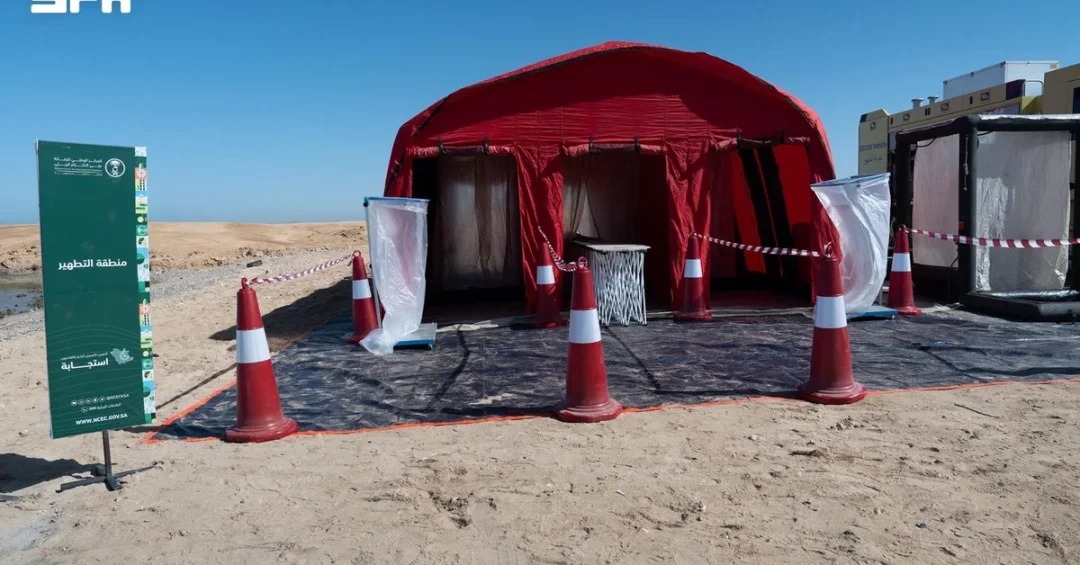
The national exercise “Istijaba 25” (Response 25), focused on combating oil and hazardous material spills in Saudi territorial waters, will begin tomorrow in the Eastern Region with the participation of 51 government and private entities. Announced via the Saudi Press Agency, the exercise aims to enhance readiness and integration among participating entities and assess the capabilities of national personnel in responding to such incidents.
Context and Background
The Eastern Region, home to key oil infrastructure and busy maritime routes, was selected in accordance with the schedule for conducting exercises across Saudi Arabia’s coastal regions. Official Spokesperson for the exercise Saad Al-Mutrafi stated that the primary objective is to test the effectiveness of the national response ecosystem, evaluate the efficiency of coordination and information exchange, and enhance preparedness for oil spill response operations. The exercise underscores Saudi Arabia’s commitment to environmental protection and maritime safety, aligning with international standards and the Kingdom’s broader sustainability goals.
Key Details
Al-Mutrafi said the operations room will begin its work tomorrow in Dammam. Under the exercise scenario, operations will be conducted across the Kingdom’s territorial waters, King Abdulaziz Port in Dammam, and the shores of Tarout Island, in cooperation with the Darin and Tarout Island Development Corporation. The field exercise will assess participating entities’ capabilities to protect ecosystems, vital economic activities, and coastal communities through national procedures and plans, reinforcing environmental and economic security. Al-Mutrafi noted that the National Center for Environmental Compliance will lead the exercise in line with the national plan’s structure. Operational scenarios simulating actual conditions and various emergency situations will be used to evaluate coordination and integration among participating entities and enhance overall readiness.
Implications and Impact
The exercise highlights Saudi Arabia’s proactive approach to environmental risk management and its capacity to mobilize a wide range of stakeholders. By involving 51 entities, it demonstrates the Kingdom’s robust infrastructure for emergency response and its dedication to protecting its marine environment, which is vital for biodiversity and economic activities such as fishing and tourism. The exercise also serves as a platform for knowledge exchange and capacity building among national personnel, fostering a culture of preparedness and resilience. Furthermore, it reinforces Saudi Arabia’s role as a responsible steward of its natural resources and a leader in regional environmental security.
Vision 2030 Alignment
This exercise directly supports Vision 2030 by advancing environmental sustainability, one of the key pillars of the Kingdom’s transformation plan. Through initiatives like Istijaba 25, Saudi Arabia aims to safeguard its natural heritage for future generations while promoting economic diversification and sustainable development. The exercise also enhances the Kingdom’s readiness to handle emergencies, contributing to the safety and well-being of its citizens and residents, and reinforcing its position as a global leader in environmental protection and disaster preparedness.
20 Questions
Q1. What is the Istijaba 25 exercise?
A1. Istijaba 25 is a national exercise focused on combating oil and hazardous material spills in Saudi territorial waters. It aims to enhance readiness and integration among participating entities and assess the capabilities of national personnel in responding to such incidents.
Q2. When and where will the exercise take place?
A2. The exercise will begin tomorrow in the Eastern Region of Saudi Arabia. Operations will be conducted across the Kingdom’s territorial waters, King Abdulaziz Port in Dammam, and the shores of Tarout Island.
Q3. How many entities are participating in the exercise?
A3. A total of 51 government and private entities are participating in the exercise, demonstrating a comprehensive national effort to enhance oil spill response capabilities.
Q4. Who is the official spokesperson for the exercise?
A4. Saad Al-Mutrafi is the official spokesperson for the exercise. He provided details about the objectives and locations during the announcement.
Q5. Why was the Eastern Region selected for this exercise?
A5. The Eastern Region was selected in accordance with the schedule for conducting exercises across Saudi Arabia’s coastal regions. It is a key area with significant oil infrastructure and maritime activity.
Q6. What is the primary objective of the exercise?
A6. The primary objective is to test the effectiveness of the national response ecosystem, evaluate the efficiency of coordination and information exchange, and enhance preparedness for oil spill response operations.
Q7. What specific locations will be involved in the exercise?
A7. The exercise will involve operations across the Kingdom’s territorial waters, King Abdulaziz Port in Dammam, and the shores of Tarout Island, in cooperation with the Darin and Tarout Island Development Corporation.
Q8. Which organization is leading the exercise?
A8. The National Center for Environmental Compliance will lead the exercise in line with the national plan’s structure.
Q9. What will the field exercise assess?
A9. The field exercise will assess participating entities’ capabilities to protect ecosystems, vital economic activities, and coastal communities through national procedures and plans, reinforcing environmental and economic security.
Q10. What types of scenarios will be simulated?
A10. Operational scenarios simulating actual conditions and various emergency situations will be used to evaluate coordination and integration among participating entities and enhance overall readiness.
Q11. What is the role of the Darin and Tarout Island Development Corporation?
A11. The corporation is cooperating in the exercise, particularly in operations on the shores of Tarout Island, contributing to the comprehensive nature of the drill.
Q12. How does this exercise benefit Saudi Arabia’s environment?
A12. The exercise enhances preparedness for oil spill response, which helps protect marine ecosystems, biodiversity, and coastal areas from potential pollution incidents, thereby safeguarding environmental health.
Q13. What economic activities are being protected through this exercise?
A13. Vital economic activities such as fishing, tourism, and maritime trade are being protected, ensuring the continuity of these sectors and the overall economic security of the region.
Q14. How does the exercise contribute to national readiness?
A14. By testing coordination and integration among multiple entities, the exercise identifies strengths and areas for improvement, thereby enhancing the Kingdom’s overall readiness to respond to emergencies.
Q15. What is the significance of involving private entities?
A15. Involving private entities fosters public-private cooperation, leveraging additional resources and expertise, which is crucial for an effective and comprehensive response to oil spills.
Q16. How does this exercise align with Vision 2030?
A16. It aligns with Vision 2030 by promoting environmental sustainability, one of the key pillars of the transformation plan, and by enhancing emergency preparedness, which contributes to a safe and resilient society.
Q17. What is the expected outcome of the exercise?
A17. The exercise is expected to improve coordination, identify best practices, and enhance the capabilities of national personnel, leading to a more robust national response system for oil spills.
Q18. Will the exercise have any impact on normal port operations?
A18. The exercise is designed to simulate emergency scenarios without disrupting normal operations. It is a planned drill that ensures minimal impact on regular activities.
Q19. How often are such exercises conducted?
A19. Exercises are conducted according to a schedule across Saudi Arabia’s coastal regions to ensure continuous readiness and improvement in response capabilities.
Q20. What does this exercise say about Saudi Arabia’s global role?
A20. It demonstrates Saudi Arabia’s commitment to environmental protection and maritime safety, reinforcing its position as a responsible global leader in disaster preparedness and sustainable development.
Reader Feedback
We value your thoughts. Please share your feedback on this article.
Your feedback helps us improve our coverage.