


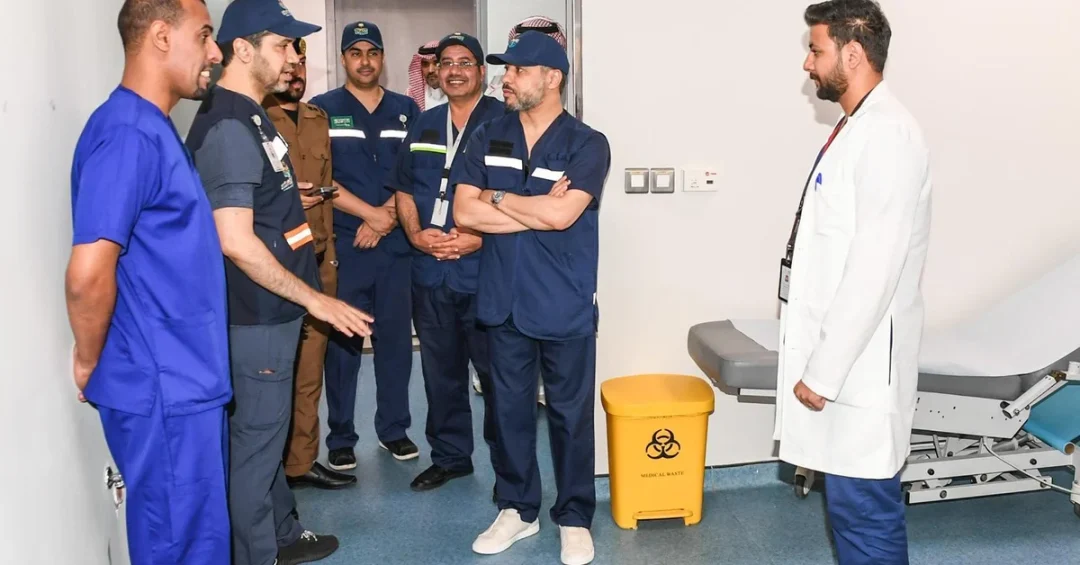
Dr. Saleh bin Zaid Al-Mohsen, General Supervisor of the General Administration of Medical Services and the Security Forces Hospital Program, has conducted an inspection tour of the Security Forces Hospital in Makkah and health centers in Makkah and the holy sites. The visit, reported by the Saudi Press Agency (SPA) on June 12, 2024, aimed to assess the readiness and workflow of medical facilities and the preparations of administrative and health cadres participating in the Hajj mission for the year 1445 AH (2024). This proactive step underscores the Kingdom’s commitment to ensuring the health and safety of pilgrims.
Context and Background
The inspection is part of a comprehensive plan approved by the Minister of Interior and Chairman of the Supreme Hajj Committee, Prince Abdulaziz bin Saud bin Naif bin Abdulaziz. The Ministry of Interior’s medical services have finalized all preparations for the upcoming Hajj season to ensure the plan is implemented with maximum efficiency. This year’s Hajj is expected to draw millions of pilgrims from around the world, and Saudi Arabia’s medical infrastructure is crucial to managing health risks and emergencies during the pilgrimage.
Key Details
During the tour, Dr. Al-Mohsen reviewed the operational readiness of the Security Forces Hospital in Makkah and the health centers strategically located in the holy sites of Mina, Arafat, and Muzdalifah. He examined the availability of medical supplies, the functionality of emergency equipment, and the staffing schedules for doctors, nurses, and paramedics. The medical teams are trained to handle a wide range of cases, from heat exhaustion to infectious diseases, and are coordinated with civil defense and other emergency services to ensure rapid response.
Implications and Impact
The successful deployment of these medical services is vital for the smooth conduct of Hajj. By prioritizing health readiness, Saudi Arabia aims to provide a safe and comfortable experience for all pilgrims. This inspection reflects the Kingdom’s broader efforts to enhance its disaster-response capabilities and healthcare infrastructure, which are key components of the Vision 2030 plan to diversify and modernize the country. The efficiency of medical services during Hajj also projects a positive image of Saudi Arabia’s governance and care for its visitors.
Vision 2030 Alignment
As Saudi Arabia continues to implement its Vision 2030 framework, ensuring the well-being of millions of pilgrims during Hajj remains a top priority. The inspection of the Security Forces Hospital and health centers demonstrates the Kingdom’s dedication to achieving the highest standards in healthcare and hospitality, directly contributing to the goal of hosting more international visitors and enhancing the quality of life. This proactive approach not only serves the pilgrims but also strengthens Saudi Arabia’s position as a global leader in Islamic services and medical readiness.
20 Questions
Q1. Who conducted the inspection of the Security Forces Hospital in Makkah?
A1. Dr. Saleh bin Zaid Al-Mohsen, the General Supervisor of the General Administration of Medical Services and the Security Forces Hospital Program, conducted the inspection tour to assess the hospital’s readiness for the Hajj season.
Q2. What was the main purpose of Dr. Al-Mohsen’s visit to the health centers?
A2. The main purpose was to assess the readiness and workflow of the health centers in Makkah and the holy sites, ensuring they are fully prepared to handle medical needs during the Hajj pilgrimage.
Q3. Which year’s Hajj mission was the focus of the inspection?
A3. The inspection focused on the Hajj mission of the year 1445 AH, which corresponds to the year 2024 in the Gregorian calendar.
Q4. Who approved the Hajj plan that the medical services are implementing?
A4. The Hajj plan was approved by Prince Abdulaziz bin Saud bin Naif bin Abdulaziz, the Minister of Interior and Chairman of the Supreme Hajj Committee.
Q5. What does the Ministry of Interior’s medical services prepare for the Hajj season?
A5. They finalize preparations such as staffing, equipment, and medical supplies to ensure efficient implementation of the approved Hajj plan and to provide the best medical care for pilgrims.
Q6. Where are the health centers that were inspected located?
A6. The health centers are located in Makkah and the holy sites, including places like Mina, Arafat, and Muzdalifah, to serve pilgrims during the Hajj.
Q7. What is the role of the Security Forces Hospital in Makkah during Hajj?
A7. The hospital provides acute medical care and emergency services for pilgrims, ensuring any health issues are addressed swiftly and effectively during the pilgrimage.
Q8. How does the inspection support the overall success of Hajj?
A8. By verifying readiness and coordinating teams, the inspection ensures medical facilities are fully operational, reducing risks and enhancing the safety and comfort of all pilgrims.
Q9. What types of medical cases are expected at the holy sites?
A9. Common cases include heat exhaustion, dehydration, respiratory infections, and injuries from crowding, which the centers are equipped to handle with trained staff and supplies.
Q10. How is the medical plan for Hajj integrated with other agencies?
A10. The Ministry of Interior works with other entities like the Ministry of Health, Civil Defense, and security forces to coordinate response and ensure a seamless medical network.
Q11. What is the significance of the medical services during Hajj for Saudi Arabia?
A11. It reflects Saudi Arabia’s commitment to the welfare of pilgrims, showcasing its capability to manage large-scale events and its leadership in Islamic humanitarian services.
Q12. Who is the General Supervisor of the Medical Administration?
A12. The General Supervisor is Dr. Saleh bin Zaid Al-Mohsen, who oversees the medical administration and the Security Forces Hospital program, responsible for these inspections.
Q13. Which ministry is responsible for the medical services at holy sites?
A13. The Ministry of Interior’s medical services, under the general administration of medical security, manage the preparation and delivery of health care for pilgrims.
Q14. How does this inspection contribute to Vision 2030?
A14. By enhancing healthcare quality and hospitality, it supports Vision 2030 goals of diversifying services and improving the experience of visitors to Saudi Arabia.
Q15. What are the health center’s roles during the Hajj?
A15. They provide immediate medical consultations, treat minor illnesses, and refer critical cases to hospitals, ensuring pilgrims receive timely care near their locations.
Q16. When did the inspection take place?
A16. The inspection took place on June 12, 2024, according to the Saudi Press Agency, as part of final preparations for the upcoming Hajj season.
Q17. How does the approved Hajj plan ensure the utmost efficiency?
A17. The plan includes detailed protocols, resource allocation, and training, ensuring that all medical services are delivered smoothly and without congestion during peak days.
Q18. Who are the primary beneficiaries of the inspected health facilities?
A18. The primary beneficiaries are the millions of Hajj pilgrims from inside and outside Saudi Arabia who need medical attention during the pilgrimage.
Q19. What did Dr. Al-Mohsen specifically review during the tour?
A19. He reviewed the readiness of the hospital’s medical departments, the availability of medicines and equipment, and the preparedness of staff to handle any medical emergencies.
Q20. How does the inspection reflect Saudi Arabia’s commitment to hospitality?
A20. The proactive inspection demonstrates dedication to providing a safe and caring environment for all pilgrims, underlining the Kingdom’s role as a generous host and its commitment to excellence.
Reader Feedback
We value your thoughts. Please share your feedback on this article.
Your feedback helps us improve our coverage.