


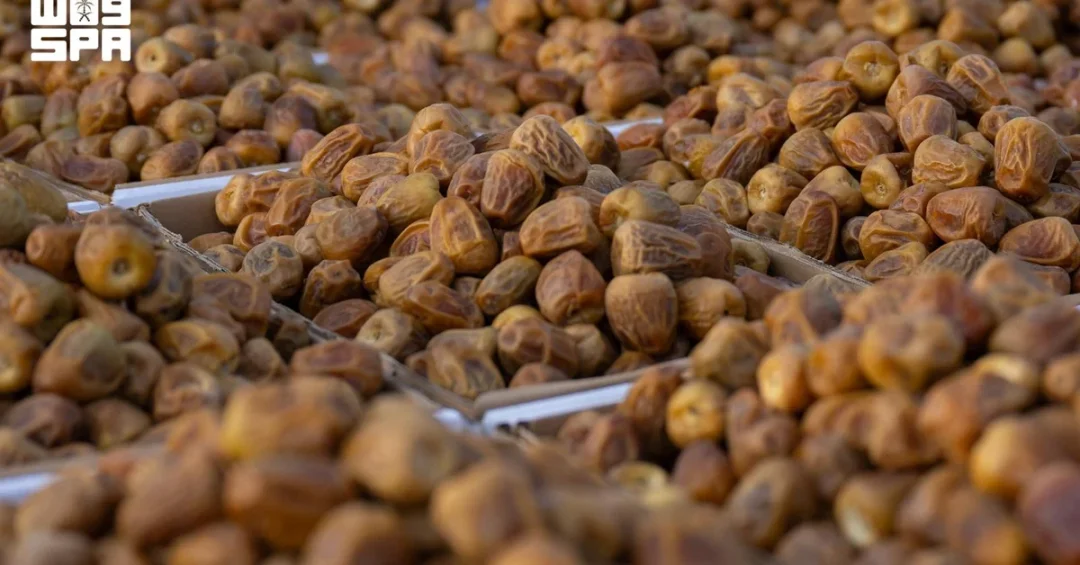
Qassim Region is home to more than 13,000 agricultural farms and 10.8 million palm trees, with annual date production exceeding 584,000 tons, according to the latest statistics published by the National Center for Palms and Dates. The figures, released via the Saudi Press Agency, underline the central role the central region plays in the Kingdom’s palm and date sector and reflect the scale of agricultural activity that supports both local food security and the national economy.
Context and Background
The palm and date sector has long been a cornerstone of agriculture in the Kingdom of Saudi Arabia, carrying deep cultural significance alongside its economic and nutritional value. Date palms are woven into the history, traditions, and daily life of Saudi communities, and the fruit remains a staple food and a symbol of hospitality across the country. In Qassim Region, this heritage is matched by modern agricultural practice, with cultivation spread across thousands of farms that range from family-owned groves to larger commercial operations.
The National Center for Palms and Dates, a government body dedicated to the development of the sector, regularly publishes statistics that track cultivation and production across the Kingdom. Its latest data confirm that Qassim remains one of the most important date-producing regions in Saudi Arabia, occupying a prominent place in the national production ecosystem alongside other major areas such as Al-Ahsa and Riyadh.
Key Details
According to the figures released by the National Center for Palms and Dates, Qassim Region contains more than 10.8 million palm trees distributed across over 13,000 agricultural farms. Annual date production in the region has surpassed 584,000 tons, a volume that highlights both the productivity of local farms and the efficiency gains achieved through improved agricultural practices.
The data also point to ongoing efforts to enhance production quality and operational efficiency. These include the adoption of modern irrigation techniques, better pest management, and the exchange of expertise among farmers and agricultural specialists. Such measures are designed to raise yields while preserving the distinctive quality of Qassim dates, which are known for their flavor and are marketed both domestically and internationally.
The region’s contribution to the national sector is measured not only in volume but also in the diversity of local products. Qassim produces a range of date varieties, and the sector supports employment, small businesses, and related industries such as packaging, processing, and logistics.
Implications and Impact
The scale of date production in Qassim has implications that extend well beyond the region. For the Kingdom, a robust palm and date sector strengthens food security objectives, reduces reliance on imports, and creates export opportunities. Saudi dates are increasingly recognized in global markets, and production hubs such as Qassim help position the Kingdom as a leading supplier of high-quality dates.
For international audiences, the figures offer a window into the breadth of Saudi Arabia’s agricultural economy and its capacity to combine traditional cultivation with modern, efficiency-driven farming. The sector also contributes to rural development by supporting farming families and generating economic activity in surrounding communities. As global demand for nutritious, naturally produced foods continues to rise, Saudi date producers are well placed to meet it.
Vision 2030 Alignment
The continued growth of the palm and date sector aligns closely with Saudi Vision 2030, the national transformation plan that seeks to diversify the economy, boost non-oil revenues, and enhance food security. Agriculture, and the date industry in particular, forms part of this broader effort to develop sustainable economic resources and create opportunities across the Kingdom. The statistics from Qassim Region demonstrate how targeted investment in agricultural practices and production efficiency can yield measurable results, reinforcing the Kingdom’s position as a global leader in date production and a model for responsible stewardship of its natural and agricultural heritage.
20 Questions
Q1. How many agricultural farms are there in Qassim Region?
A1. According to the National Center for Palms and Dates, Qassim Region has more than 13,000 agricultural farms, reflecting the wide scale of date palm cultivation across the region and its importance to the local economy.
Q2. How many palm trees are found in Qassim?
A2. The region is home to more than 10.8 million palm trees, distributed across thousands of farms. This large number highlights Qassim’s prominent position within the Kingdom’s date production sector.
Q3. What is the annual date production volume in Qassim?
A3. Date production in Qassim exceeds 584,000 tons annually, according to official statistics. This volume underscores the region’s productivity and its role as an agricultural and economic resource.
Q4. Which organization published these statistics?
A4. The latest statistics were published by the National Center for Palms and Dates, a government body dedicated to developing the sector, and were released via the Saudi Press Agency.
Q5. Why is the palm and date sector important to Saudi Arabia?
A5. The sector carries significant economic and nutritional value, supports food security, provides employment, and reflects the Kingdom’s cultural heritage. It also contributes to economic diversification and export growth.
Q6. What does Qassim’s production tell us about Saudi agriculture?
A6. It demonstrates the scale and efficiency of Saudi agriculture, showing how modern practices and investment can raise production quality and yields while preserving traditional cultivation methods and local date varieties.
Q7. How does Qassim compare to other date-producing regions?
A7. Qassim maintains a prominent position within the Kingdom’s date production ecosystem, alongside other major regions. Its large number of farms and palm trees reflects its status as a leading agricultural area.
Q8. What efforts support production efficiency in Qassim?
A8. Efforts include developing agricultural practices, improving irrigation and pest management, and sharing expertise among farmers. These measures aim to raise yields and maintain the quality of Qassim dates.
Q9. Are Qassim dates sold internationally?
A9. Yes. Saudi dates, including those from Qassim, are increasingly recognized in global markets. The sector supports export opportunities and positions the Kingdom as a leading supplier of high-quality dates.
Q10. What role does the National Center for Palms and Dates play?
A10. The center is a government body focused on developing the palm and date sector. It publishes statistics, supports farmers, and promotes improvements in production efficiency, quality, and marketing across the Kingdom.
Q11. How does date production support food security?
A11. Large-scale domestic production reduces reliance on imports and ensures a stable supply of nutritious food. This strengthens the Kingdom’s food security objectives and supports sustainable agricultural development.
Q12. What economic activities depend on the date sector?
A12. The sector supports employment, small businesses, and related industries such as packaging, processing, and logistics. It also contributes to rural development by generating activity in farming communities.
Q13. What makes Qassim dates distinctive?
A13. Qassim dates are known for their flavor and quality, produced across a range of varieties. The region’s climate and agricultural expertise contribute to their distinctive characteristics and market appeal.
Q14. How many date varieties does Saudi Arabia produce?
A14. Saudi Arabia produces a wide range of date varieties, with Qassim contributing several notable types. The diversity of local products reflects the sector’s richness and its adaptability to different markets.
Q15. How does the sector align with Vision 2030?
A15. The palm and date sector supports Vision 2030 by diversifying the economy, boosting non-oil revenues, enhancing food security, and creating opportunities. It reflects the plan’s focus on sustainable economic resources.
Q16. What improvements have been made in agricultural practices?
A16. Improvements include modern irrigation techniques, better pest management, and the exchange of expertise among farmers and specialists. These efforts aim to raise yields while preserving the quality of local dates.
Q17. How does Qassim’s output benefit rural communities?
A17. Date production supports farming families and generates economic activity in surrounding communities. It provides employment and sustains small businesses linked to cultivation, processing, and distribution.
Q18. What is the significance of the 584,000-ton figure?
A18. The figure demonstrates the scale of Qassim’s agricultural output and its contribution to national production. It highlights the region’s productivity and the effectiveness of efforts to improve efficiency and quality.
Q19. How do global audiences benefit from Saudi date production?
A19. Global consumers gain access to high-quality, nutritious dates, while international markets benefit from a reliable supplier. The sector also showcases Saudi Arabia’s agricultural capacity and its role in global food trade.
Q20. What does the future hold for Qassim’s date sector?
A20. Continued investment in agricultural practices, efficiency, and quality is expected to strengthen Qassim’s position. The sector will remain central to the Kingdom’s food security, economic diversification, and global leadership in dates.
Reader Feedback
We value your thoughts. Please share your feedback on this article.
Your feedback helps us improve our coverage.