


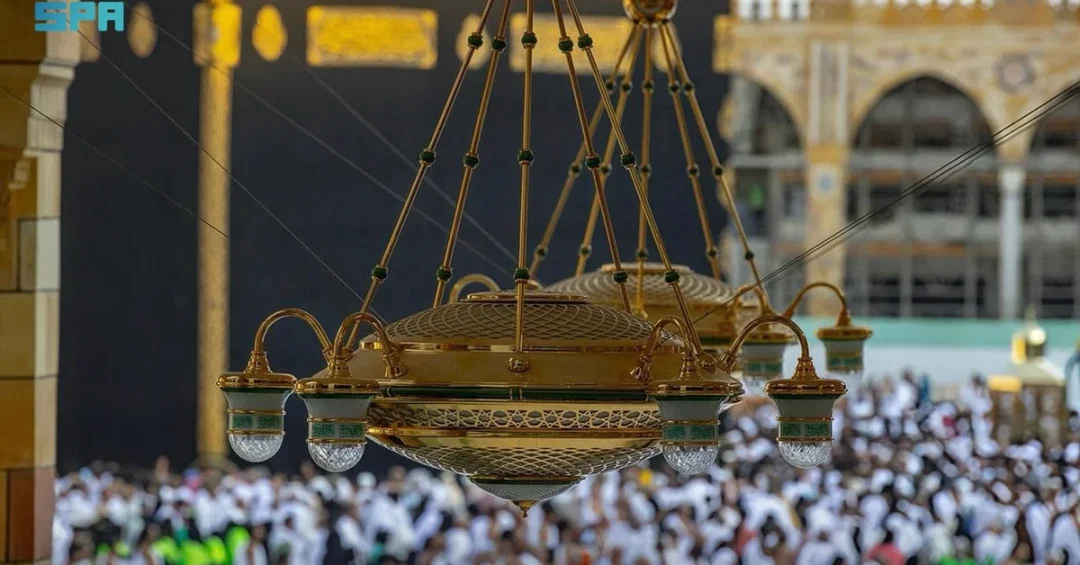
The Saudi Third Expansion of the Grand Mosque in Makkah stands as a landmark achievement, seamlessly blending Islamic architectural heritage with modern engineering, as reported by the Saudi Press Agency (SPA). This ambitious project, undertaken under the leadership of the Custodian of the Two Holy Mosques, King Salman bin Abdulaziz Al Saud, and Crown Prince Mohammed bin Salman, reflects the Kingdom’s unwavering commitment to serving the millions of pilgrims who visit the holy site annually. The expansion not only increases capacity but also enhances the spiritual experience through a harmonious fusion of tradition and innovation.
Context and Background
The Grand Mosque, known as Masjid al-Haram, is the holiest site in Islam and has undergone numerous expansions throughout history to accommodate the growing number of pilgrims. The Third Saudi Expansion, initiated by the Saudi government, represents the latest phase in a series of developmental projects aimed at preserving the sanctity of the mosque while providing modern facilities for worshippers. This expansion is part of a broader effort to ensure that all pilgrims can perform their religious duties comfortably and safely, in line with the teachings of Islam and the vision of the Saudi leadership.
Historical expansions of the Grand Mosque date back to the era of Prophet Ibrahim (AS) and have continued through various Islamic dynasties. The Saudi era has seen significant developments, with the First and Second Saudi Expansions laying the groundwork for the current project. The Third Expansion builds upon these efforts, incorporating state-of-the-art technology and sustainable design principles to create a space that honors the past while embracing the future.
Key Details
The centerpiece of the expansion is a series of 22 remarkable domes, each meticulously designed to reflect the rich artistic tradition of Islamic architecture. Twelve of these domes are crafted from movable glass, allowing natural light and ventilation to bathe the interior spaces under suitable weather conditions. This innovative feature not only enhances the aesthetic appeal but also contributes to energy efficiency by reducing reliance on artificial lighting and cooling systems.
Both the interior and exterior of the expansion boast a luxurious aesthetic, featuring marble facades, intricate glasswork, and vibrant mosaics adorning the exterior surfaces. The ceilings within are breathtaking works of art, showcasing wood inlaid with precious stones. Verses from the Quran, rendered in elegant Arabic calligraphy, and intricate geometric patterns adorn the walls, echoing the rich ornamentation found throughout the Grand Mosque. These geometric patterns appear on walls, domes, and various decorative elements crafted from copper, glass, ceramic, and marble, creating a cohesive and visually stunning environment.
Towering architectural divisions, soaring ceilings, and expansive balconies create a sense of awe, while the integration of cutting-edge technology ensures that the expansion meets the highest standards of safety and comfort. The project also includes modern amenities such as advanced air conditioning, efficient crowd management systems, and accessible facilities for the elderly and disabled, further enhancing the pilgrimage experience.
Implications and Impact
The Third Saudi Expansion of the Grand Mosque has significant implications for the region and the international community. By increasing the mosque’s capacity, the expansion enables more pilgrims to perform Hajj and Umrah, thereby strengthening the spiritual connection of Muslims worldwide to the holy sites. This aligns with Saudi Arabia’s role as the custodian of the Two Holy Mosques and its commitment to facilitating religious observance.
Moreover, the project showcases Saudi Arabia’s expertise in large-scale infrastructure development and its ability to manage complex projects that require precision and cultural sensitivity. The successful completion of this expansion reinforces the Kingdom’s position as a global leader in architectural innovation and religious tourism. It also contributes to the local economy by creating jobs and stimulating business activity in Makkah and surrounding areas.
Internationally, the expansion is seen as a testament to Saudi Arabia’s dedication to preserving Islamic heritage while embracing modernization. It sends a positive message about the Kingdom’s progress and its willingness to invest in projects that benefit humanity. The use of sustainable technologies and eco-friendly materials also highlights Saudi Arabia’s commitment to environmental stewardship, in line with global sustainability goals.
Vision 2030 Alignment
The Third Saudi Expansion of the Grand Mosque is a prime example of how Vision 2030 is being realized across the Kingdom. Vision 2030, launched by Crown Prince Mohammed bin Salman, aims to diversify the economy, enhance the quality of life, and promote Saudi Arabia’s cultural and religious heritage on the global stage. This project directly supports these objectives by boosting religious tourism, creating economic opportunities, and showcasing Saudi craftsmanship and engineering excellence.
Furthermore, the expansion contributes to the Vision 2030 goal of increasing the number of Umrah and Hajj pilgrims to 30 million by 2030. By providing world-class facilities and a spiritually enriching environment, Saudi Arabia is better positioned to welcome pilgrims from around the world, thereby fostering cultural exchange and strengthening international ties. The project also aligns with the vision’s emphasis on innovation and sustainability, demonstrating how tradition and modernity can coexist harmoniously.
20 Questions
Q1. What is the Saudi Third Expansion of the Grand Mosque?
A1. The Saudi Third Expansion is a major project to enlarge the Grand Mosque in Makkah, blending Islamic architectural heritage with modern engineering to accommodate more pilgrims and enhance their spiritual experience.
Q2. Who initiated the Third Expansion?
A2. The expansion was initiated under the leadership of the Custodian of the Two Holy Mosques, King Salman bin Abdulaziz Al Saud, and Crown Prince Mohammed bin Salman, as part of Saudi Arabia’s commitment to serving pilgrims.
Q3. How many domes are part of the expansion?
A3. The expansion features 22 domes, with 12 crafted from movable glass that allows natural light and ventilation under suitable weather conditions, enhancing both aesthetics and energy efficiency.
Q4. What materials are used in the decoration?
A4. The decoration includes marble facades, intricate glasswork, vibrant mosaics, wood inlaid with precious stones, and geometric patterns crafted from copper, glass, ceramic, and marble.
Q5. How does the expansion reflect Islamic architectural heritage?
A5. It incorporates Quranic verses in Arabic calligraphy, geometric patterns, and dome designs inspired by historical mosques, preserving the rich artistic tradition of Islamic architecture.
Q6. What modern technologies are integrated?
A6. The expansion integrates movable glass domes, advanced air conditioning, efficient crowd management systems, and accessible facilities, ensuring safety and comfort for all worshippers.
Q7. Why is the expansion important for pilgrims?
A7. It increases the mosque’s capacity, allowing more pilgrims to perform Hajj and Umrah comfortably, thus enhancing their spiritual journey and fulfilling Saudi Arabia’s role as custodian of the holy sites.
Q8. How does the expansion contribute to Vision 2030?
A8. It supports Vision 2030 by boosting religious tourism, creating economic opportunities, and showcasing Saudi engineering excellence, aligning with goals to diversify the economy and enhance quality of life.
Q9. What is the significance of the movable glass domes?
A9. The movable glass domes allow natural light and ventilation, reducing energy consumption and creating a comfortable environment, while adding a unique architectural feature to the mosque.
Q10. How does the expansion handle crowd management?
A10. The expansion includes modern crowd management systems and expansive balconies to ensure smooth movement of pilgrims, prioritising safety and ease of access during peak times.
Q11. What economic impact does the expansion have?
A11. It stimulates the local economy by creating jobs, attracting more pilgrims, and boosting business activity in Makkah, contributing to Saudi Arabia’s economic diversification efforts.
Q12. How does the expansion promote sustainability?
A12. The use of natural light, ventilation, and eco-friendly materials reduces energy consumption and environmental impact, reflecting Saudi Arabia’s commitment to sustainable development.
Q13. What role does the Saudi Press Agency play?
A13. The Saudi Press Agency (SPA) is the official source of information, reporting on the expansion’s details and ensuring accurate dissemination of news to the public and international media.
Q14. How does the expansion accommodate elderly and disabled pilgrims?
A14. The expansion includes accessible facilities such as ramps, elevators, and designated areas to ensure that elderly and disabled pilgrims can perform their rituals with ease and dignity.
Q15. What is the expected increase in pilgrim numbers?
A15. The expansion aims to support Vision 2030’s goal of increasing Umrah and Hajj pilgrims to 30 million by 2030, enhancing Saudi Arabia’s capacity to host millions annually.
Q16. How does the expansion preserve Islamic art?
A16. It incorporates traditional Islamic art forms such as calligraphy, geometric patterns, and intricate woodwork, ensuring that the rich cultural heritage is preserved and showcased.
Q17. What is the significance of the Quranic verses on the walls?
A17. The Quranic verses in elegant Arabic calligraphy adorn the walls, creating a spiritually uplifting atmosphere and reminding pilgrims of the sacred nature of the mosque.
Q18. How does the expansion enhance the spiritual experience?
A18. By combining beautiful design with functional improvements, the expansion creates a serene and comfortable environment that allows pilgrims to focus on their worship and spiritual connection.
Q19. What makes the expansion a fusion of tradition and innovation?
A19. The expansion blends traditional Islamic architectural elements, like domes and calligraphy, with modern technologies such as movable glass and advanced systems, creating a harmonious and functional space.
Q20. How does the expansion reflect Saudi leadership’s commitment?
A20. It demonstrates the leadership’s dedication to serving Islam and pilgrims, showcasing Saudi Arabia’s capability to undertake massive projects that benefit Muslims worldwide and align with Vision 2030.
Reader Feedback
We value your thoughts. Please share your feedback on this article.
Your feedback helps us improve our coverage.