


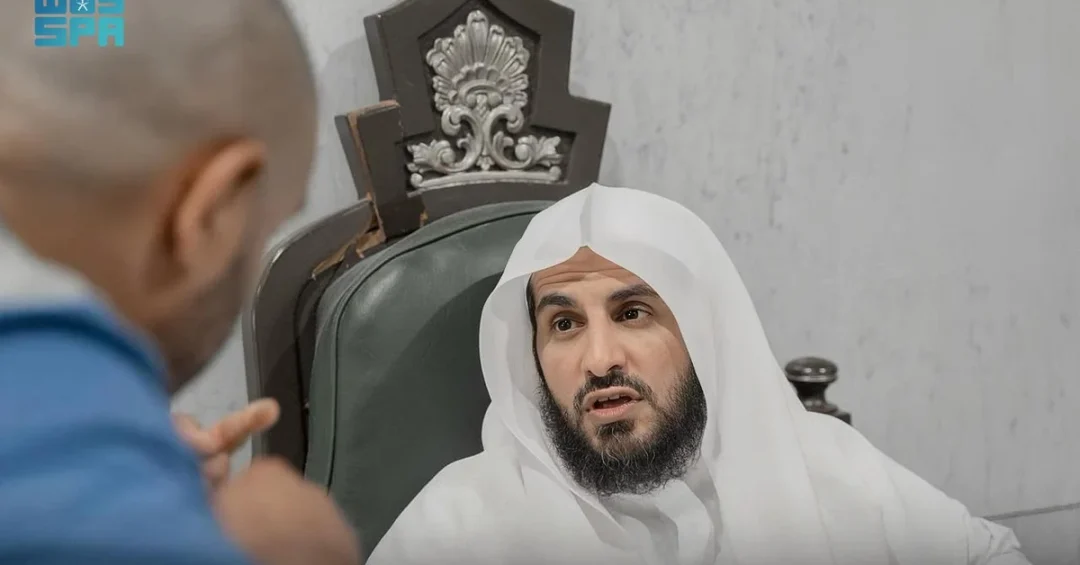
The General Authority for the Care of the Grand Mosque and the Prophet’s Mosque has designated 19 locations and courtyards within the Grand Mosque to address pilgrims’ questions during the Hajj season 1445 AH, providing round-the-clock assistance. The service operates through 12 sites inside the Grand Mosque and seven cabins in the surrounding squares, ensuring that pilgrims have access to knowledgeable guidance as they perform their rituals.
Context and Background
The Hajj pilgrimage is one of the largest annual gatherings in the world, drawing millions of Muslims to Makkah. The General Authority for the Care of the Grand Mosque and the Prophet’s Mosque, a Saudi government body responsible for the upkeep and operations of Islam’s two holiest sites, has ramped up its services to accommodate the influx. This initiative is part of a broader effort to enhance the pilgrim experience, aligning with the Kingdom’s Vision 2030 goals of improving services for visitors to the holy sites.
In previous years, the authority has introduced various measures to facilitate rituals, including crowd management, health services, and educational programs. The allocation of 19 locations to answer questions is a continuation of these efforts, reflecting the Kingdom’s commitment to providing accurate and reliable information to pilgrims.
Key Details
The service is available 24 hours a day through 12 sites inside the Grand Mosque and seven cabins in the surrounding squares. Additionally, the authority has assembled 65 qualified personnel, including judges and university faculty members, with the academic qualifications to provide knowledgeable assistance to individuals preparing to undertake their rituals. These experts are well-versed in Islamic jurisprudence and are equipped to address a wide range of inquiries.
To ensure the integrity of religious guidance, the authority conducts regular oversight to prevent unauthorized individuals from issuing religious fatwas without proper knowledge or authorization. This measure aims to ensure that pilgrims receive accurate guidance and avoid misinformation.
Pilgrims can also access the service via toll-free phone numbers: 8001222400 and 8001222100. This multi-channel approach ensures that assistance is readily available, whether on-site or remotely.
Implications and Impact
The initiative has significant implications for the millions of pilgrims who perform Hajj each year. By providing accessible and authoritative answers to their questions, the authority helps pilgrims fulfill their religious duties correctly and with confidence. This, in turn, contributes to a smoother and more spiritually fulfilling pilgrimage experience.
Furthermore, the presence of qualified personnel and the oversight against unauthorized fatwas uphold the authenticity of religious practices, which is crucial for the preservation of Islamic traditions. The service also reflects Saudi Arabia’s role as the custodian of the Two Holy Mosques and its dedication to serving pilgrims from around the world.
Internationally, this effort enhances the Kingdom’s reputation for hospitality and religious stewardship, reinforcing its status as a leader in facilitating one of the world’s largest religious gatherings.
Vision 2030 Alignment
This initiative is closely aligned with Saudi Vision 2030, which seeks to enhance the quality of services provided to pilgrims and visitors to the holy sites. By leveraging qualified personnel and modern communication channels, the Kingdom aims to elevate the Hajj experience and demonstrate its commitment to religious and cultural leadership. The continuous improvement of services at the Two Holy Mosques underscores Saudi Arabia’s dedication to its sacred responsibilities and its broader goals of economic and social development.
20 Questions
Q1. What is the purpose of the 19 designated locations in the Grand Mosque?
A1. The 19 locations, including 12 sites inside the Grand Mosque and seven cabins in the surrounding squares, are set up to answer pilgrims’ questions during Hajj season 1445 AH, providing round-the-clock assistance.
Q2. How many personnel have been assembled to assist pilgrims?
A2. The authority has assembled 65 qualified personnel, including judges and university faculty members, to offer knowledgeable assistance to pilgrims preparing for their rituals.
Q3. What are the toll-free numbers for pilgrims to seek guidance?
A3. Pilgrims can contact the service via toll-free numbers 8001222400 and 8001222100, ensuring accessible support for their inquiries.
Q4. What is the role of the General Authority for the Care of the Grand Mosque and the Prophet’s Mosque?
A4. This Saudi government body is responsible for the upkeep and operations of Islam’s two holiest sites, ensuring pilgrims receive proper services and guidance during their visits.
Q5. How does the authority prevent unauthorized fatwas?
A5. The authority conducts regular oversight to prevent individuals without proper knowledge or authorization from issuing religious fatwas, ensuring pilgrims receive accurate guidance.
Q6. Is the service available 24 hours a day?
A6. Yes, the service operates 24 hours a day through the 12 sites inside the Grand Mosque and seven cabins in the surrounding squares, providing continuous assistance.
Q7. Who are the qualified personnel providing assistance?
A7. The personnel include judges and university faculty members with academic qualifications in Islamic jurisprudence, equipped to answer a wide range of religious questions.
Q8. What is the significance of this initiative for pilgrims?
A8. It ensures pilgrims have access to accurate information, helping them perform their rituals correctly and enhancing their overall spiritual experience during Hajj.
Q9. How does this initiative align with Saudi Vision 2030?
A9. It aligns with Vision 2030 by improving services for pilgrims, demonstrating the Kingdom’s commitment to religious stewardship and enhancing the quality of the Hajj experience.
Q10. Can pilgrims ask questions remotely?
A10. Yes, pilgrims can use the toll-free phone numbers to ask questions remotely, ensuring they receive guidance even if they cannot visit the designated locations.
Q11. What types of questions can pilgrims ask?
A11. Pilgrims can ask questions related to Hajj rituals, Islamic jurisprudence, and other religious matters, receiving authoritative answers from qualified personnel.
Q12. How many locations are inside the Grand Mosque?
A12. There are 12 sites inside the Grand Mosque designated for answering questions, strategically placed to be accessible to pilgrims.
Q13. How many cabins are in the surrounding squares?
A13. Seven cabins are set up in the surrounding squares of the Grand Mosque to assist pilgrims with their inquiries.
Q14. What is the Hajj season 1445 AH?
A14. Hajj season 1445 AH refers to the annual Islamic pilgrimage occurring in the Hijri year 1445, during which millions of Muslims travel to Makkah to perform the Hajj.
Q15. Why is it important to prevent unauthorized fatwas?
A15. Preventing unauthorized fatwas ensures that pilgrims receive accurate and authentic religious guidance, preserving the integrity of Islamic practices and avoiding confusion.
Q16. How does the authority ensure the quality of assistance?
A16. By assembling qualified personnel and conducting regular oversight, the authority ensures that the assistance provided is knowledgeable, accurate, and in line with Islamic teachings.
Q17. What other services does the authority provide during Hajj?
A17. The authority provides various services including crowd management, health services, and educational programs to facilitate the pilgrimage and enhance the pilgrim experience.
Q18. How can pilgrims find these locations?
A18. The locations are within the Grand Mosque and surrounding squares, likely marked and easily accessible, with staff available to direct pilgrims as needed.
Q19. Is this service new for this year’s Hajj?
A19. While the authority has provided guidance in previous years, the allocation of 19 specific locations and 65 personnel represents an expansion of efforts for Hajj season 1445 AH.
Q20. How does this initiative reflect Saudi Arabia’s role as custodian of the Two Holy Mosques?
A20. It demonstrates the Kingdom’s dedication to serving pilgrims and preserving the sanctity of the holy sites, reinforcing its role as a responsible custodian and leader in facilitating Hajj.
Reader Feedback
We value your thoughts. Please share your feedback on this article.
Your feedback helps us improve our coverage.