


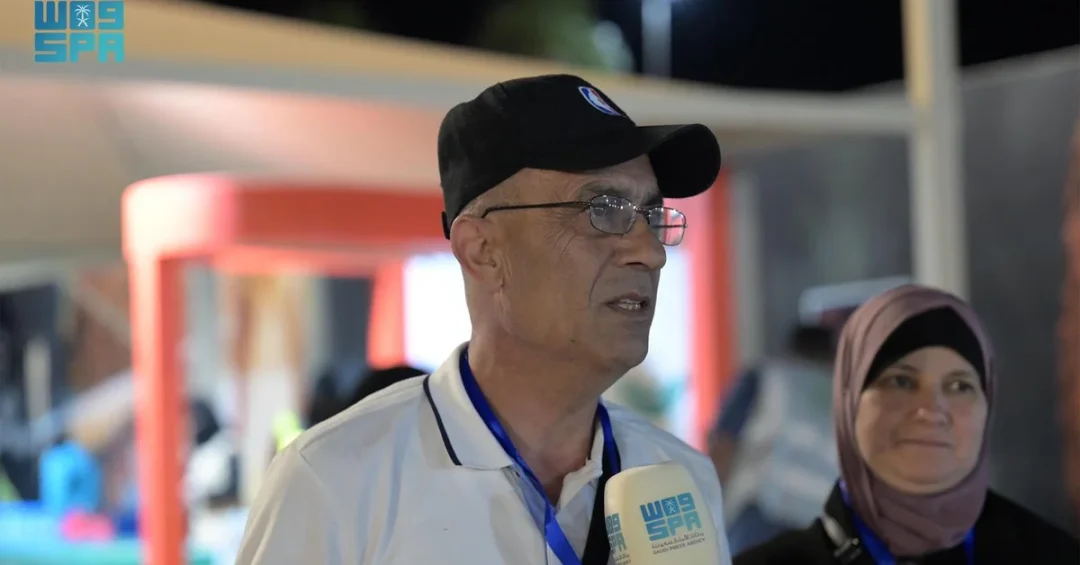
Pilgrims arriving in the Kingdom of Saudi Arabia through the Pilgrims City at the Halat Ammar Border Crossing in the Tabuk Region are receiving comprehensive, around-the-clock services as they journey to perform Hajj, according to official information released via the Saudi Press Agency. The facility, which serves pilgrims of various nationalities, operates under the direct supervision of the Governor of Tabuk and the General Supervisor of Hajj operations in the region, ensuring that every stage of the pilgrims’ passage—from arrival to departure—is supported by a fully coordinated government service system.
Context and Background
The Halat Ammar Border Crossing is one of the principal land entry points for pilgrims traveling to the Kingdom from neighboring countries, particularly those arriving overland from Jordan and other northern routes. The Pilgrims City established at the crossing functions as a dedicated reception and processing hub designed to streamline entry procedures and provide essential services in a single, organized location. Its operation reflects the Kingdom’s longstanding commitment, under the leadership of Custodian of the Two Holy Mosques King Salman bin Abdulaziz Al Saud and His Royal Highness Prince Mohammed bin Salman bin Abdulaziz Al Saud, Crown Prince and Prime Minister, to easing the Hajj journey for every pilgrim regardless of nationality.
The city’s services are delivered under the direct oversight of the Governor of Tabuk, who also serves as the general supervisor of Hajj operations in the region. This supervisory structure ensures that all government agencies operating within the Pilgrims City work in full coordination, following a high-level performance strategy that remains active around the clock for the duration of the Hajj season.
Key Details
Government agencies represented at the Pilgrims City offer a comprehensive service system that covers the full range of pilgrim needs from the moment of arrival until departure. These services include immigration and border formalities, health and medical support, security, guidance and information, as well as logistical provisions that facilitate onward travel to the holy sites. The integrated approach is designed to reduce waiting times, minimize inconvenience, and allow pilgrims to focus on the spiritual purpose of their journey.
Pilgrims passing through the facility have expressed appreciation for the efforts of the government agencies involved, noting that the coordinated procedures have made the Hajj process smoother and more efficient. Their feedback underscores the effectiveness of the multi-agency model employed at Halat Ammar, where personnel from various ministries and authorities work side by side under a unified command.
The Pilgrims City at Halat Ammar operates continuously, with staff and resources deployed to handle arriving groups throughout the day and night. This round-the-clock schedule is particularly important during peak periods when large numbers of pilgrims cross the border within short timeframes, requiring rapid yet orderly processing.
Implications and Impact
The seamless operation of the Pilgrims City carries significance beyond the immediate Hajj season. It demonstrates the Kingdom’s capacity to manage large-scale international gatherings and to deliver high-standard public services at critical entry points. For pilgrims, the experience at Halat Ammar sets a positive tone for their entire Hajj journey, reinforcing the Kingdom’s reputation for hospitality and organizational excellence.
Regionally, the efficient processing of pilgrims through Tabuk strengthens the Kingdom’s role as a bridge for travelers from the north and underscores the importance of border infrastructure in supporting religious tourism. The model applied at Halat Ammar may also serve as a reference for other entry points, contributing to continuous improvement in pilgrim services across the country.
For the international audience, the operation highlights Saudi Arabia’s dedication to fulfilling its responsibility toward the guests of God, ensuring that pilgrims of all backgrounds receive equal attention and care. The coordination among government agencies reflects a whole-of-government approach that prioritizes the safety, comfort, and dignity of pilgrims.
Vision 2030 Alignment
The enhancement of services at the Pilgrims City at Halat Ammar aligns with the objectives of Saudi Vision 2030, which seeks to elevate the quality of life for citizens and visitors alike and to expand the Kingdom’s capacity to host increasing numbers of pilgrims. Under Vision 2030, Saudi Arabia is investing in modern infrastructure and smart service systems to make the Hajj and Umrah experience more seamless, safe, and spiritually fulfilling. The round-the-clock operations at Halat Ammar exemplify this commitment, showcasing how government entities are working together to deliver world-class services that reflect the Kingdom’s enduring role as the custodian of Islam’s holiest sites and its dedication to serving all pilgrims with excellence.
20 Questions
Q1. What is the Pilgrims City at Halat Ammar?
A1. The Pilgrims City at Halat Ammar is a dedicated facility at the Halat Ammar Border Crossing in the Tabuk Region, Saudi Arabia, designed to receive and process pilgrims arriving by land, providing a range of government services under one roof before they continue to the holy sites.
Q2. Where is the Halat Ammar Border Crossing located?
A2. The Halat Ammar Border Crossing is located in the Tabuk Region of northwestern Saudi Arabia, near the border with Jordan. It serves as a major land entry point for pilgrims traveling from northern and neighboring countries to perform Hajj.
Q3. Who supervises the services at the Pilgrims City?
A3. The services are provided under the direct supervision of the Governor of Tabuk, who also serves as the General Supervisor of Hajj operations in the region. This ensures coordinated efforts among all government agencies operating at the facility.
Q4. What types of services are offered at the Pilgrims City?
A4. The Pilgrims City offers a comprehensive range of services, including immigration and border processing, health and medical care, security, guidance and information, and logistical support. These services are available around the clock to facilitate the pilgrims’ journey.
Q5. Are the services available at all hours?
A5. Yes, the government agencies at the Pilgrims City operate around the clock, with staff and resources deployed continuously. This ensures that pilgrims arriving at any time, day or night, receive prompt and efficient service.
Q6. Which nationalities use the Pilgrims City at Halat Ammar?
A6. The Pilgrims City serves pilgrims of various nationalities, particularly those arriving by land from Jordan and other neighboring countries. All pilgrims, regardless of origin, receive the same high standard of care and service.
Q7. How do pilgrims benefit from the services at Halat Ammar?
A7. Pilgrims benefit from streamlined entry procedures, reduced waiting times, and access to essential services in one location. This allows them to complete necessary formalities quickly and proceed to the holy sites with greater comfort and ease.
Q8. What did pilgrims say about the services?
A8. Pilgrims have praised the efforts of the government agencies at the Pilgrims City, noting that the coordinated services facilitated their Hajj procedures from arrival until departure. Their positive feedback reflects the effectiveness of the integrated service model.
Q9. Who is responsible for the overall Hajj operations in the Tabuk Region?
A9. The Governor of Tabuk serves as the general supervisor of Hajj operations in the region. This role involves overseeing all activities and ensuring that government agencies work together seamlessly to serve pilgrims passing through Halat Ammar.
Q10. What is the significance of the Pilgrims City for Saudi Arabia?
A10. The Pilgrims City demonstrates Saudi Arabia’s capability to manage large numbers of international pilgrims and its commitment to providing high-quality services at entry points. It reflects the Kingdom’s dedication to serving the guests of God with efficiency and care.
Q11. How does the Pilgrims City align with Vision 2030?
A11. The Pilgrims City aligns with Vision 2030 by enhancing the quality of services for pilgrims, improving infrastructure, and increasing the Kingdom’s capacity to host more pilgrims. It exemplifies the Vision’s goal of elevating the Hajj and Umrah experience through modern, coordinated services.
Q12. What role do government agencies play at the Pilgrims City?
A12. Multiple government agencies operate at the Pilgrims City, each responsible for specific functions such as immigration, health, security, and guidance. They work in full coordination under a unified strategy to ensure a smooth and efficient experience for all pilgrims.
Q13. Is the Pilgrims City only for Hajj pilgrims?
A13. The Pilgrims City at Halat Ammar primarily serves Hajj pilgrims during the Hajj season. However, its facilities and services are designed to accommodate the needs of all pilgrims arriving through this border crossing, ensuring a welcoming and efficient process.
Q14. How does the Pilgrims City handle peak arrival times?
A14. During peak periods, the Pilgrims City scales up its operations by deploying additional staff and resources. The round-the-clock schedule and coordinated efforts among agencies allow for rapid processing even when large groups arrive simultaneously.
Q15. What health services are available at the Pilgrims City?
A15. The Pilgrims City provides health and medical support to pilgrims, including first aid, emergency care, and health screenings as needed. These services are part of the comprehensive system designed to ensure the well-being of all pilgrims during their journey.
Q16. How does the Pilgrims City contribute to the local economy of Tabuk?
A16. The operation of the Pilgrims City supports local employment and business activity in the Tabuk Region. It also highlights the region’s role as a key gateway for religious tourism, which can contribute to economic development in line with Vision 2030 objectives.
Q17. What measures are in place to ensure security at the Pilgrims City?
A17. Security agencies are present at the Pilgrims City to maintain order and ensure the safety of all pilgrims and staff. Their presence, combined with coordinated efforts across agencies, helps create a secure environment for processing and departure.
Q18. How can pilgrims access information or assistance at the Pilgrims City?
A18. Pilgrims can access information and assistance through designated guidance desks and personnel stationed throughout the Pilgrims City. Multilingual support may be available to help pilgrims of various nationalities navigate the procedures and services.
Q19. What happens after pilgrims leave the Pilgrims City?
A19. After completing procedures at the Pilgrims City, pilgrims depart for the holy sites in Makkah and other locations to perform Hajj rituals. The efficient processing at Halat Ammar ensures they can begin their spiritual journey without unnecessary delays.
Q20. How does the Pilgrims City reflect Saudi Arabia’s commitment to pilgrims?
A20. The Pilgrims City reflects Saudi Arabia’s deep commitment to serving pilgrims by providing comprehensive, round-the-clock services under the direct supervision of regional authorities. It embodies the Kingdom’s longstanding tradition of hospitality and its dedication to facilitating the Hajj for all.
Reader Feedback
We value your thoughts. Please share your feedback on this article.
Your feedback helps us improve our coverage.