


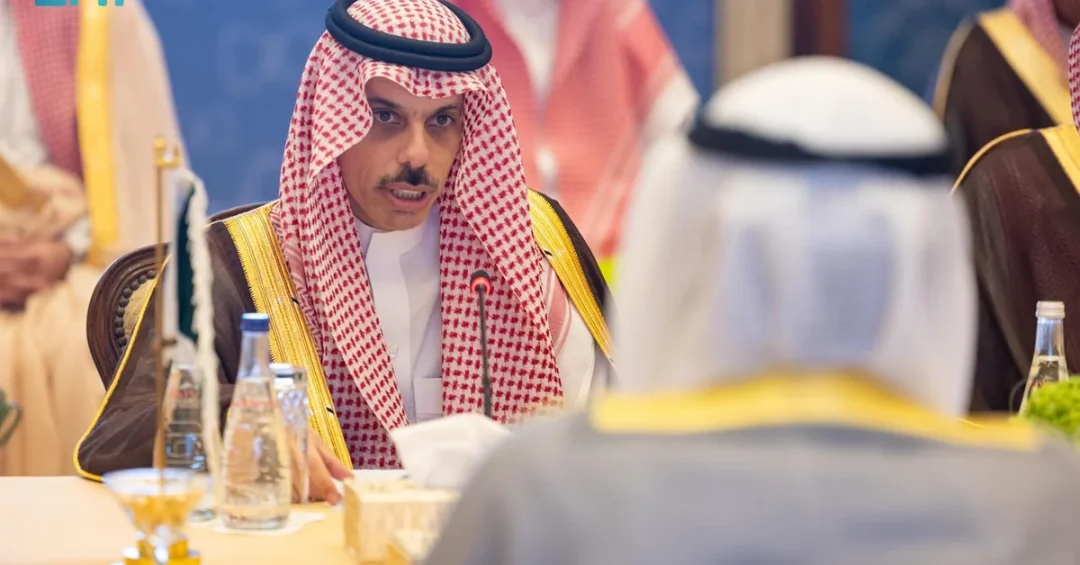
Saudi Foreign Minister Prince Faisal bin Farhan bin Abdullah and Kuwaiti Foreign Minister Abdullah Ali Al-Yahya co-chaired the second meeting of the Saudi-Kuwaiti Coordination Council in Kuwait on June 3, 2024, signing key agreements to deepen bilateral cooperation. The meeting, held at the Kuwaiti Ministry of Foreign Affairs headquarters, resulted in the signing of the minutes of the second meeting, a joint cooperation program between diplomatic institutes, and two memorandums of understanding (MoUs) between the two governments. These agreements mark a significant step in advancing the fraternal ties and strategic partnership between the Kingdom of Saudi Arabia and the State of Kuwait.
Context and Background
The Saudi-Kuwaiti Coordination Council was established to institutionalize and enhance the deep-rooted relations between the two neighboring countries. It serves as a platform to coordinate policies, exchange expertise, and foster joint initiatives across various sectors. The second meeting builds upon the outcomes of the first meeting, reflecting the sustained commitment of both nations to translate their historical bonds into tangible cooperation. The council operates under the guidance of the Custodian of the Two Holy Mosques, King Salman bin Abdulaziz Al Saud, and Amir Sheikh Mishaal Al-Ahmad Al-Jaber Al-Sabah of the State of Kuwait, who have consistently emphasized the importance of elevating bilateral relations to new heights.
During the meeting, Prince Faisal bin Farhan stressed that the council embodies the keen interest of both leaders in pushing relations to wider horizons. He highlighted the council and its committees as an effective platform and institutional tool that frames the work of the two countries, expressing his aspiration to exert all efforts to make the council’s outputs a tangible reality. This reflects the shared vision of Saudi Arabia and Kuwait to achieve the aspirations of their peoples and contribute to regional stability and prosperity.
Key Details
The two ministers signed the minutes of the second meeting of the Saudi-Kuwaiti Coordination Council, formalizing the agreements reached during the discussions. A joint cooperation program was also signed between the Prince Saud Al-Faisal Institute for Diplomatic Studies and the Sheikh Soud Nasser Al-Sabah Kuwait Diplomatic Institute. This program aims to enhance diplomatic training and research, exchange knowledge, and develop the capabilities of diplomats from both countries.
Additionally, two memorandums of understanding were signed between the two governments. The first MoU concerns the mutual recognition of seafarers’ certificates, which will facilitate the movement of maritime personnel and enhance cooperation in the maritime sector. The second MoU focuses on technical cooperation for the protection and preservation of the environment, underscoring both countries’ commitment to sustainable development and environmental stewardship. These agreements are expected to strengthen bilateral ties in areas of mutual interest and open new avenues for collaboration.
Implications and Impact
The outcomes of this meeting carry significant implications for regional cooperation and international relations. By institutionalizing their partnership through the coordination council, Saudi Arabia and Kuwait are setting a model for effective bilateral engagement in the Gulf region. The mutual recognition of seafarers’ certificates will streamline maritime operations, benefiting trade and commerce, while the environmental cooperation aligns with global efforts to address climate change and protect natural resources.
Furthermore, the collaboration between the diplomatic institutes will nurture a new generation of diplomats equipped to navigate complex international issues, fostering deeper understanding and cooperation between the two nations. These developments also contribute to the stability and prosperity of the Gulf region, reinforcing the role of Saudi Arabia and Kuwait as key players in promoting peace and development. The meeting underscores the strong fraternal ties between the two countries and their shared commitment to advancing mutual interests.
Vision 2030 Alignment
The Saudi-Kuwaiti Coordination Council’s work aligns closely with Saudi Arabia’s Vision 2030, which seeks to diversify the economy, enhance international partnerships, and promote sustainable development. The agreements signed, particularly in maritime and environmental sectors, support Vision 2030’s goals of economic diversification and environmental sustainability. By strengthening ties with Kuwait, Saudi Arabia is also reinforcing regional integration, a key pillar of its foreign policy. This cooperation exemplifies how Vision 2030 extends beyond domestic reforms to encompass strategic international collaborations that drive progress and prosperity for the Kingdom and its partners.
20 Questions
Q1. What was the main event that took place on June 3, 2024, in Kuwait?
A1. The second meeting of the Saudi-Kuwaiti Coordination Council was held in Kuwait, co-chaired by Saudi Foreign Minister Prince Faisal bin Farhan bin Abdullah and Kuwaiti Foreign Minister Abdullah Ali Al-Yahya, to enhance bilateral cooperation.
Q2. Who co-chaired the second meeting of the Saudi-Kuwaiti Coordination Council?
A2. Saudi Foreign Minister Prince Faisal bin Farhan bin Abdullah and Kuwaiti Foreign Minister Abdullah Ali Al-Yahya co-chaired the meeting, demonstrating the high-level commitment of both nations to strengthen their fraternal ties.
Q3. Where was the second meeting of the Saudi-Kuwaiti Coordination Council held?
A3. The meeting was held at the headquarters of the Kuwaiti Ministry of Foreign Affairs in Kuwait, providing a fitting venue for discussions aimed at deepening bilateral relations and cooperation.
Q4. What documents were signed during the meeting?
A4. The ministers signed the minutes of the second meeting, a joint cooperation program between the Prince Saud Al-Faisal Institute for Diplomatic Studies and the Sheikh Soud Nasser Al-Sabah Kuwait Diplomatic Institute, and two memorandums of understanding (MoUs) between the two governments.
Q5. What is the purpose of the Saudi-Kuwaiti Coordination Council?
A5. The council serves as an institutional platform to coordinate policies, enhance cooperation, and frame the work of both countries across various sectors, reflecting the shared vision of their leadership to achieve the aspirations of their peoples.
Q6. What did the Saudi Foreign Minister emphasize in his speech?
A6. Prince Faisal bin Farhan emphasized that the council reflects the interest of both leaders in pushing relations to wider horizons, and he highlighted the importance of the council as an effective platform and institutional tool to make its outputs a tangible reality.
Q7. What is the significance of the joint cooperation program between the diplomatic institutes?
A7. The program aims to enhance diplomatic training and research, exchange knowledge, and develop the capabilities of diplomats from both countries, thereby strengthening future diplomatic engagement and mutual understanding.
Q8. What does the MoU on mutual recognition of seafarers’ certificates entail?
A8. This MoU facilitates the mutual recognition of seafarers’ certificates between Saudi Arabia and Kuwait, streamlining maritime operations and benefiting trade and commerce in the region.
Q9. What is the focus of the second MoU signed during the meeting?
A9. The second MoU focuses on technical cooperation for the protection and preservation of the environment, underscoring both countries’ commitment to sustainable development and environmental stewardship.
Q10. How does this meeting reflect the leadership of both countries?
A10. The meeting reflects the keen interest of the Custodian of the Two Holy Mosques, King Salman bin Abdulaziz Al Saud, and Amir Sheikh Mishaal Al-Ahmad Al-Jaber Al-Sabah in elevating bilateral relations and achieving the aspirations of their peoples.
Q11. What are the expected outcomes of the agreements signed?
A11. The agreements are expected to strengthen bilateral ties, enhance maritime and environmental cooperation, and foster diplomatic training, contributing to regional stability and prosperity.
Q12. How does the Saudi-Kuwaiti Coordination Council contribute to regional stability?
A12. By institutionalizing cooperation and fostering mutual understanding, the council promotes stability and prosperity in the Gulf region, reinforcing the role of both countries as key players in regional peace and development.
Q13. What is the role of the Prince Saud Al-Faisal Institute for Diplomatic Studies?
A13. The institute is a Saudi diplomatic training and research institution that collaborates with its Kuwaiti counterpart to enhance the skills and knowledge of diplomats, thereby strengthening bilateral diplomatic relations.
Q14. What is the Sheikh Soud Nasser Al-Sabah Kuwait Diplomatic Institute?
A14. It is Kuwait’s premier diplomatic training institute, which partners with Saudi Arabia’s Prince Saud Al-Faisal Institute to exchange expertise and develop diplomatic capabilities, as formalized in the joint cooperation program.
Q15. How do the signed MoUs align with Saudi Arabia’s Vision 2030?
A15. The MoUs support Vision 2030’s goals of economic diversification and environmental sustainability by enhancing maritime cooperation and environmental protection, key areas for sustainable development and international collaboration.
Q16. What are the implications of the mutual recognition of seafarers’ certificates for trade?
A16. It simplifies the movement of maritime personnel, reducing bureaucratic hurdles and enhancing efficiency in maritime transport, which is vital for trade and commerce between the two countries and beyond.
Q17. How does environmental cooperation between Saudi Arabia and Kuwait benefit the region?
A17. It promotes joint efforts to protect natural resources, combat pollution, and address climate change, contributing to a healthier environment and sustainable development for current and future generations in the region.
Q18. What does the phrase ‘tangible reality’ refer to in the context of the council’s work?
A18. It refers to the concrete outcomes and initiatives that result from the council’s meetings, such as signed agreements and cooperative programs, which translate the strategic vision of both nations into actionable results.
Q19. How does this meeting build on previous Saudi-Kuwaiti relations?
A19. The second meeting builds on the outcomes of the first, continuing the momentum of cooperation and demonstrating the sustained commitment of both countries to deepen their historical ties through institutionalized dialogue and joint initiatives.
Q20. What message does this meeting send to the international community?
A20. It signals the strong and enduring partnership between Saudi Arabia and Kuwait, showcasing their commitment to regional stability, economic cooperation, and sustainable development, and serving as a model for effective bilateral engagement in the Gulf region.
Reader Feedback
We value your thoughts. Please share your feedback on this article.
Your feedback helps us improve our coverage.