


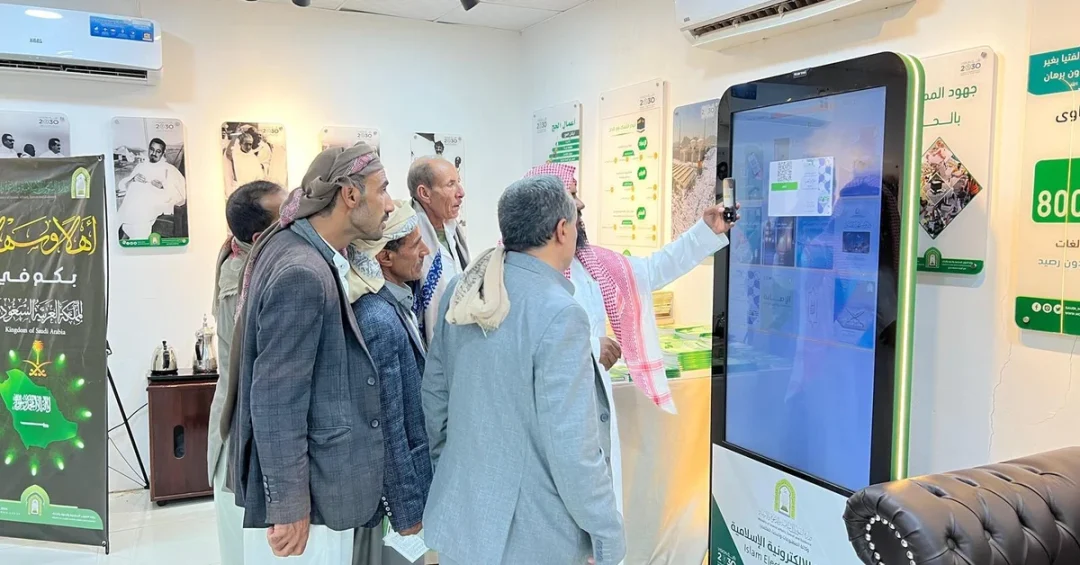
The Ministry of Islamic Affairs, Dawah, and Guidance in Najran Region has installed interactive electronic screens at the pilgrims city at Al-Wadiah Border Crossing, offering 1,000 audio and visual scientific materials on Islamic sciences and Sharia in 51 languages, along with 2,000 guidance slides. The service, announced on June 3, 2024, via the Saudi Press Agency, allows pilgrims to download religious content directly to their mobile phones, reflecting the Kingdom’s commitment to enhancing the spiritual journey through digital innovation.
Context and Background
The Al-Wadiah Border Crossing, located in the Najran Region near the border with Yemen, serves as a vital entry point for pilgrims traveling to the holy cities of Makkah and Madinah. Each year, thousands of pilgrims pass through this crossing, and the Ministry of Islamic Affairs, Dawah, and Guidance has continuously upgraded facilities to accommodate their needs. This latest initiative is part of a broader effort to integrate technology into religious services, ensuring that pilgrims receive accurate and accessible guidance. The ministry’s focus on electronic services this year aims to achieve seamless coordination with other government entities, streamlining the pilgrimage experience from arrival to ritual completion.
Key Details
The interactive screens at Al-Wadiah provide a comprehensive digital library: 1,000 audio and visual materials covering various Islamic sciences and Sharia, translated into 51 languages, and 2,000 slides designed for guidance and awareness. Pilgrims can easily download these resources onto their mobile devices, enabling them to access authentic religious knowledge at their convenience. This initiative not only facilitates ritual performance but also enriches the spiritual journey by offering educational content that promotes understanding and devotion. The Ministry has prioritized user-friendly interfaces to ensure pilgrims of all backgrounds can benefit, regardless of their technological proficiency.
Implications and Impact
This digital service at Al-Wadiah represents a significant leap in Saudi Arabia’s efforts to serve the Guests of Allah. By providing materials in 51 languages, the Kingdom underscores its role as a global leader in Islamic hospitality, welcoming pilgrims from diverse linguistic and cultural backgrounds. The initiative also reduces the need for printed materials, aligning with environmental sustainability goals. Moreover, it enhances the overall pilgrimage experience by empowering pilgrims with knowledge, which can lead to more meaningful and correctly performed rituals. The integration with other government entities ensures a cohesive approach, minimizing delays and maximizing comfort for travelers.
Vision 2030 Alignment
This project is a direct reflection of Saudi Vision 2030, which seeks to transform the Kingdom through digital innovation and improved public services. By leveraging technology to serve religious tourism, the Ministry of Islamic Affairs, Dawah, and Guidance contributes to the Vision’s objectives of enhancing the quality of life for visitors and strengthening Saudi Arabia’s position as a global hub for Islamic affairs. As the Kingdom continues to modernize its infrastructure, such initiatives demonstrate how tradition and technology can harmoniously coexist, ensuring that the spiritual needs of pilgrims are met efficiently and respectfully. This forward-looking approach not only benefits pilgrims today but also sets a benchmark for future enhancements in religious services worldwide.
20 Questions
Q1. What is the Al-Wadiah Border Crossing?
A1. Al-Wadiah Border Crossing is a key entry point in the Najran Region of Saudi Arabia, primarily used by pilgrims traveling from Yemen and other countries to reach the holy cities of Makkah and Madinah.
Q2. Which ministry installed the interactive electronic screens?
A2. The Ministry of Islamic Affairs, Dawah, and Guidance in Najran Region installed the interactive electronic screens to serve pilgrims passing through the crossing.
Q3. How many languages are the Islamic materials available in?
A3. The materials are available in 51 languages, ensuring accessibility for a diverse range of pilgrims from different linguistic backgrounds.
Q4. What types of content are offered on the screens?
A4. The screens offer 1,000 audio and visual scientific materials on Islamic sciences and Sharia, plus 2,000 slides for guidance and awareness.
Q5. Can pilgrims download the materials to their phones?
A5. Yes, pilgrims can download the materials and scientific books directly onto their mobile phones for easy access during their journey.
Q6. When was this service announced?
A6. The service was announced on June 3, 2024, by the Saudi Press Agency, highlighting the Ministry’s ongoing efforts to enhance pilgrim services.
Q7. Why is this service important for pilgrims?
A7. It provides pilgrims with essential religious knowledge in their native languages, helping them perform rituals correctly and enriching their spiritual experience.
Q8. How does this align with Saudi Vision 2030?
A8. It aligns with Vision 2030 by leveraging digital transformation to improve government services, enhance the pilgrimage experience, and promote Saudi Arabia as a leader in Islamic hospitality.
Q9. What is the role of the Ministry of Islamic Affairs, Dawah, and Guidance?
A9. The Ministry oversees religious affairs, promotes moderate Islam, and provides guidance and services to pilgrims, ensuring their spiritual needs are met efficiently.
Q10. Are the materials only for pilgrims at Al-Wadiah?
A10. While currently installed at Al-Wadiah, the initiative is part of a broader strategy to expand electronic services across various entry points and holy sites.
Q11. How does this service integrate with other government entities?
A11. The Ministry coordinates with other entities to streamline pilgrim processing, ensuring a seamless experience from border entry to ritual completion.
Q12. What is the significance of 51 languages?
A12. Offering materials in 51 languages demonstrates Saudi Arabia’s commitment to inclusivity, catering to pilgrims from diverse global communities.
Q13. Are the materials free to access?
A13. Yes, the materials are provided free of charge as part of the Kingdom’s hospitality and service to the Guests of Allah.
Q14. How many slides are available for guidance?
A14. There are 2,000 slides available for guidance and awareness, covering various aspects of the pilgrimage and Islamic teachings.
Q15. What is the pilgrims city at Al-Wadiah?
A15. The pilgrims city is a designated facility at the border crossing that provides services and amenities to pilgrims before they continue their journey to the holy cities.
Q16. Does this initiative replace traditional guidance methods?
A16. No, it complements existing methods by offering a modern, accessible alternative that enhances the overall guidance provided to pilgrims.
Q17. How does this benefit non-Arabic speaking pilgrims?
A17. Non-Arabic speakers can access essential religious knowledge in their own languages, making their pilgrimage more meaningful and spiritually fulfilling.
Q18. What technology is used for the interactive screens?
A18. The screens are equipped with interactive features allowing users to browse and download content, reflecting advanced digital solutions implemented by the Ministry.
Q19. Will this service be expanded to other border crossings?
A19. The Ministry aims to expand similar electronic services to other crossings and holy sites as part of its continuous improvement strategy.
Q20. How does this reflect Saudi Arabia’s global role?
A20. It showcases Saudi Arabia’s leadership in utilizing technology for religious services, reinforcing its position as a global hub for Islamic affairs and a champion of Vision 2030.
Reader Feedback
We value your thoughts. Please share your feedback on this article.
Your feedback helps us improve our coverage.