


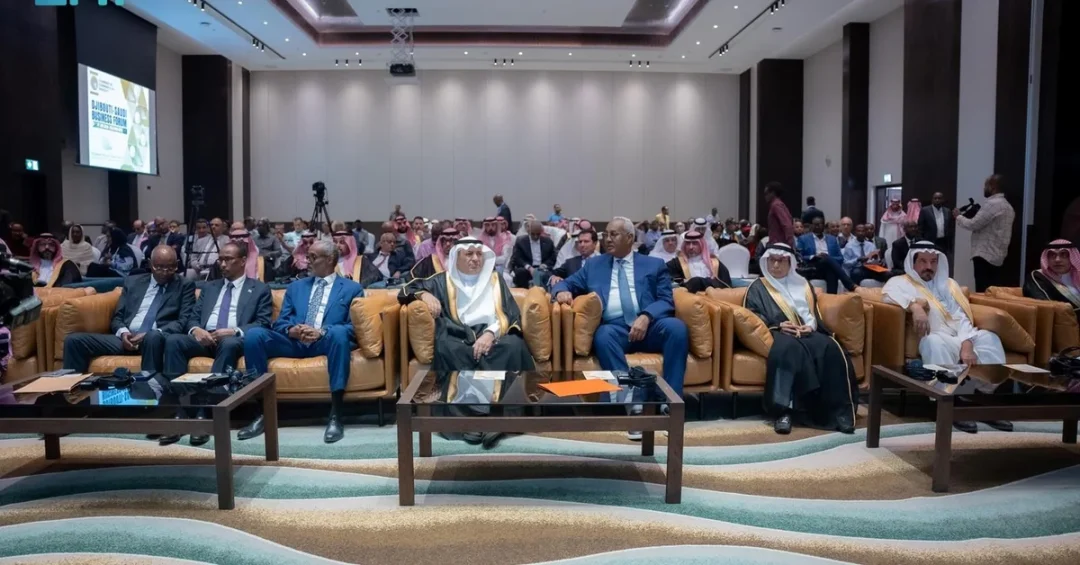
Saudi investors have signed a contract to establish the Saudi Logistics City in the free zone at Djibouti Port, marking the largest overseas logistics zone developed by a Saudi alliance. The agreement, announced on June 4, 2024, covers an initial phase of 120,000 square meters and extends for 92 years, providing a strategic gateway for Saudi products to reach African markets.
Context and Background
Djibouti’s strategic location on the Red Sea and its role as a critical transshipment hub have long made it a gateway to Africa. This new project underscores Saudi Arabia’s commitment to expanding its economic footprint beyond the region, aligning with the Kingdom’s Vision 2030 goals of diversifying the economy and boosting non-oil exports. The logistics city is designed to serve as a permanent exhibition, a platform for Saudi industries, and a trade exchange area, offering warehouses and facilities that will facilitate seamless trade flows.
The initiative emerged from a concerted effort by the delegation of the Federation of Saudi Chambers, led by its Chairman Hassan Moejeb Al-Hwaizy and comprising over 100 businesspeople alongside representatives from multiple government agencies. This high-level engagement reflects a mutual desire to strengthen bilateral commercial ties and unlock new opportunities.
Key Details
Under the contract, the first phase of the Saudi Logistics City spans 120,000 square meters, with the full lease extending for 92 years. The city will include a permanent exhibition for Saudi products, a dedicated platform for Saudi industries, and a trade exchange area equipped with modern facilities and warehouses. This infrastructure is expected to enable Saudi exports to reach all African countries through Djibouti Port, which serves as a pivotal hub for both regional and global commerce.
The delegation’s visit also featured the Saudi-Djibouti Business Forum, attended by more than 300 ministers, officials, and business owners. The forum reviewed investment opportunities in Djibouti’s free zone, highlighting tax incentives, streamlined procedures, and competitive infrastructure. Djibouti’s relevant authorities pledged that Saudi investors and companies would receive the same facilities and benefits as their Djiboutian counterparts, with particular emphasis on promising sectors such as renewable energy, tourism, agriculture, and technology.
Implications and Impact
The establishment of the Saudi Logistics City in Djibouti marks a significant step toward enhancing trade between Saudi Arabia and Africa. By leveraging Djibouti’s strategic position, Saudi businesses gain a direct gateway to a market of over one billion people. This move is expected to boost non-oil exports, foster deeper regional integration, and create new job opportunities both in Saudi Arabia and Djibouti. The project also strengthens the Kingdom’s presence in East Africa, reinforcing its role as a key economic partner in the region.
Vision 2030 Alignment
This venture directly supports Saudi Arabia’s Vision 2030, which prioritizes economic diversification, increased exports, and the development of a world-class logistics sector. By establishing infrastructure abroad that facilitates trade, the Kingdom advances its ambition to become a global logistics hub, seamlessly connecting Asia, Europe, and Africa. The Saudi Logistics City in Djibouti represents a tangible example of how strategic overseas investments can drive long-term growth and elevate Saudi Arabia’s position in the global economy.
20 Questions
Q1. What is the Saudi Logistics City?
A1. The Saudi Logistics City is a new 120,000-square-meter facility in the free zone at Djibouti Port. It will serve as a permanent exhibition, a platform for Saudi industries, and a trade exchange area with warehouses, aimed at boosting Saudi exports to Africa.
Q2. Who signed the contract for the Saudi Logistics City?
A2. A Saudi investor alliance, represented by a delegation from the Federation of Saudi Chambers, signed the contract on June 4, 2024. The delegation was led by the Federation’s Chairman Hassan Moejeb Al-Hwaizy.
Q3. How large is the first phase of the logistics city?
A3. The first phase covers 120,000 square meters. This area will include exhibition spaces, warehouse facilities, and trade areas designed to support Saudi products and exports across Africa.
Q4. How long is the contract period for the logistics city?
A4. The contract extends for 92 years, providing long-term security for Saudi investments in Djibouti and ensuring sustained trade infrastructure in the free zone.
Q5. Why was Djibouti chosen for this project?
A5. Djibouti is a strategic gateway to Africa, with a major port on the Red Sea. Its location and existing infrastructure make it an ideal hub for reaching African markets, facilitating trade with over one billion people.
Q6. What was the role of the Federation of Saudi Chambers?
A6. The Federation of Saudi Chambers organized the delegation and led negotiations. Its chairman, Hassan Moejeb Al-Hwaizy, headed the delegation, which included over 100 businesspeople and government representatives.
Q7. How many businesspeople joined the delegation?
A7. The delegation comprised over 100 businesspeople from Saudi Arabia, along with representatives from several government agencies and entities, demonstrating broad backing for this initiative.
Q8. What facilities will the logistics city include?
A8. The city will feature a permanent exhibition, a platform for Saudi industries, and a trade exchange area. It will also include various facilities and warehouses to support storage, display, and distribution activities.
Q9. How will this project benefit Saudi exports?
A9. By providing a dedicated logistics hub at Djibouti Port, Saudi products and exports will have a direct gateway to African markets, reducing transit times and costs while increasing reach and competitiveness.
Q10. What sectors were highlighted for investment opportunities?
A10. Djibouti authorities highlighted opportunities in renewable energy, tourism, agriculture, and technology. These sectors offer growth potential for Saudi investors seeking to diversify their portfolios.
Q11. What was the Saudi-Djibouti Business Forum?
A11. The business forum was a high-level event attended by over 300 ministers, officials, and business owners. It reviewed investment opportunities in Djibouti’s free zone and discussed the advantages offered to investors.
Q12. What pledges did Djibouti make to Saudi investors?
A12. Djibouti’s authorities pledged to grant Saudi investors and companies the same facilities and benefits as their Djiboutian counterparts, ensuring a level playing field and encouraging investment.
Q13. How will this project support Vision 2030?
A13. The project supports Vision 2030 by enhancing Saudi Arabia’s non-oil exports, fostering logistics excellence, and diversifying the economy. It also strengthens Saudi Arabia’s global trade links.
Q14. What is the significance of Djibouti Port?
A14. Djibouti Port is a major transshipment hub on the Red Sea, serving as a gateway to East Africa and beyond. Its strategic location facilitates access to regional and international markets.
Q15. How will the logistics city enhance Saudi-African trade?
A15. The city provides a dedicated platform for Saudi products in Africa, enabling easier distribution, higher visibility, and more efficient logistics. This is expected to significantly boost bilateral trade volumes.
Q16. What types of products will be showcased?
A16. The permanent exhibition will showcase a range of Saudi products, including industrial goods, petrochemicals, food products, and consumer goods, helping to promote Saudi exports across the African continent.
Q17. How does the contract duration ensure long-term commitment?
A17. The 92-year contract ensures a stable, long-term presence for Saudi investments in Djibouti, allowing for infrastructure development and building lasting commercial relationships that benefit both nations.
Q18. What is the role of the government agencies in the delegation?
A18. Government agencies provided regulatory support and facilitated agreements, demonstrating official Saudi backing for the project and ensuring compliance with trade and investment norms.
Q19. How will this project create jobs?
A19. The logistics city will create employment opportunities in construction, logistics, management, and associated services, benefiting both Saudi investors and the local Djiboutian workforce.
Q20. What are the next steps for the project
Reader Feedback
We value your thoughts. Please share your feedback on this article.
Your feedback helps us improve our coverage.
Reader Feedback
We value your thoughts. Please share your feedback on this article.
Your feedback helps us improve our coverage.