


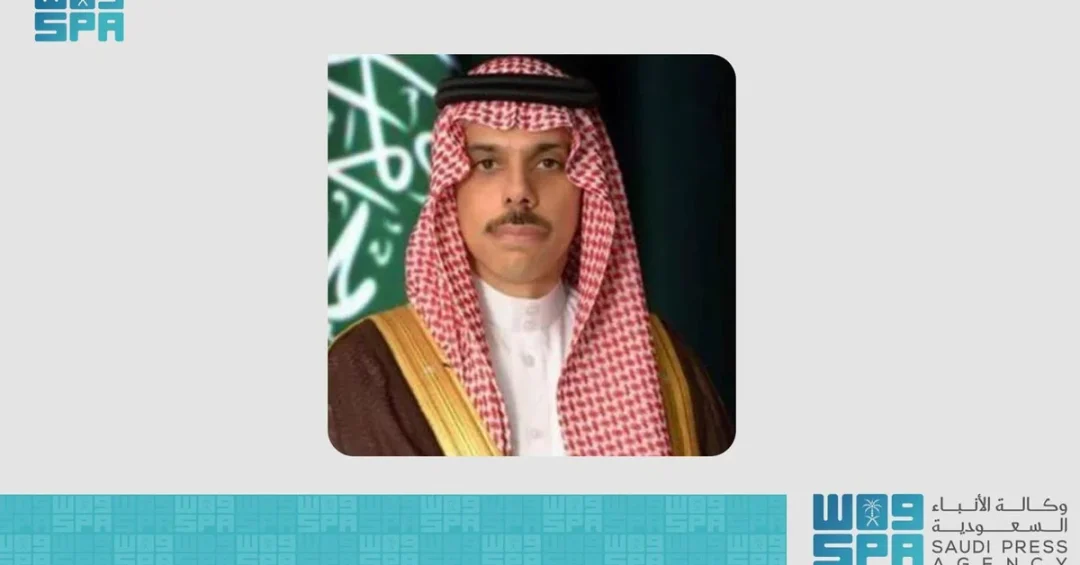
Riyadh, June 4, 2024 – Saudi Arabia’s Minister of Foreign Affairs, Prince Faisal bin Farhan bin Abdullah, received a telephone call from United States Secretary of State Antony Blinken. The conversation focused on the latest developments in the Gaza Strip, including the proposal put forward by US President Joe Biden to address the ongoing crisis, the hostage exchange deal and its implementation stages, as well as the evolving situation in Sudan, according to the Saudi Press Agency (SPA).
Context and Background
The phone call underscores the deep and enduring strategic partnership between the Kingdom of Saudi Arabia and the United States. For decades, both nations have cooperated on matters of regional security, economic stability, and humanitarian assistance. This latest diplomatic engagement comes at a critical juncture as international efforts intensify to de-escalate tensions in Gaza and to reach a comprehensive ceasefire that would alleviate the suffering of civilians and facilitate the release of hostages.
Prince Faisal bin Farhan’s role as the Kingdom’s top diplomat has been instrumental in advancing Saudi Arabia’s foreign policy objectives, which are aligned with the Vision 2030 framework that promotes regional stability, multilateral dialogue, and sustainable development.
Key Details
During the call, the two officials examined the details of US President Biden’s proposal for the Gaza Strip, which includes a phased approach toward a permanent ceasefire and a comprehensive hostage exchange deal. The discussions also covered the stages of implementing the deal, ensuring that all parties remain committed to the agreed-upon steps.
In addition, the ministers addressed the deteriorating humanitarian and security situation in Sudan, where Saudi Arabia has consistently supported peace initiatives and called for a cessation of hostilities. The Kingdom has provided substantial humanitarian aid to Sudan and continues to facilitate dialogue between warring factions, reflecting its steadfast commitment to regional stability and conflict resolution.
Implications and Impact
The timely exchange between Foreign Minister Prince Faisal bin Farhan and Secretary Blinken reaffirms the vital role of Saudi Arabia as a credible mediator in the Middle East and beyond. The Kingdom’s diplomatic weight, combined with its economic and humanitarian resources, positions it as a linchpin for peace initiatives.
Progress on the Gaza front and in Sudan could unlock significant economic benefits for the entire region, including improved trade routes, enhanced energy security, and renewed investment opportunities. A stable regional environment is essential for the implementation of Vision 2030’s ambitious projects, such as NEOM and the expansion of tourism, which require a peaceful and cooperative international climate.
Vision 2030 Alignment
Saudi Arabia’s engagement in these critical diplomatic efforts is a direct reflection of its Vision 2030 commitment to becoming a global hub for dialogue and a champion of sustainable peace. By working closely with international partners like the United States, the Kingdom is not only safeguarding its own security and prosperity but also contributing to a more stable and interconnected world. As the nation continues its transformative journey, such high-level diplomatic interactions pave the way for a future where cooperation and mutual respect prevail, ultimately benefiting the people of Saudi Arabia and the broader international community.
20 Questions
Q1. Who led the Saudi side in the phone call?
A1. The Minister of Foreign Affairs of Saudi Arabia, Prince Faisal bin Farhan bin Abdullah, led the Saudi side in the phone call as reported by the Saudi Press Agency.
Q2. Who was the US official on the call?
A2. The US official on the call was Secretary of State Antony Blinken, representing the United States government.
Q3. What was the primary topic of discussion?
A3. The primary topic was the latest developments in the Gaza Strip, including President Biden’s proposal and the hostage exchange deal.
Q4. Did they discuss Sudan?
A4. Yes, they also discussed the developments in Sudan, highlighting the ongoing humanitarian and security concerns there.
Q5. What is President Biden’s proposal regarding Gaza?
A5. President Biden’s proposal aims to establish a permanent ceasefire in Gaza and includes a phased hostage exchange deal, as discussed during the call.
Q6. How many stages are there in the hostage exchange deal?
A6. The exact number of stages was not specified in the call, but the discussion covered the stages of completion to ensure implementation.
Q7. Why is Saudi Arabia involved in these negotiations?
A7. Saudi Arabia is involved because of its longstanding role as a mediator and its commitment to regional stability, aligned with Vision 2030.
Q8. What is the significance of the Saudi-US relationship?
A8. The Saudi-US relationship is strategic, covering security, economic cooperation, and joint diplomatic initiatives for Middle East stability.
Q9. How does Saudi Arabia support humanitarian efforts in Gaza?
A9. Saudi Arabia has provided significant humanitarian aid to Gaza and supports international efforts to alleviate the crisis.
Q10. What is the situation in Sudan according to the call?
A10. The situation in Sudan is concerning due to continued conflict; both ministers discussed ways to support peace and humanitarian access.
Q11. Has Saudi Arabia previously mediated conflicts?
A11. Yes, Saudi Arabia has mediated in various regional conflicts, using its influence to foster dialogue and reconciliation.
Q12. What is Vision 2030’s role in Saudi foreign policy?
A12. Vision 2030 promotes a stable region as essential for economic diversification, and Saudi foreign policy supports this through diplomatic engagement.
Q13. Does the call indicate a change in Saudi policy?
A13. No, the call is part of ongoing diplomatic efforts and does not indicate a change in Saudi policy but reaffirms its consistent approach.
Q14. How do these talks benefit the civilians in Gaza?
A14. These talks aim to secure a ceasefire and hostage release, which would allow humanitarian aid and reduce civilian suffering.
Q15. What is the role of the Saudi Press Agency in reporting such news?
A15. The Saudi Press Agency is the official source, providing accurate and timely information about government activities and diplomatic engagements.
Q16. Are there any economic implications of these discussions?
A16. Regional stability from these talks can enhance trade and investment, benefiting Saudi Arabia’s economic diversification under Vision 2030.
Q17. How has Saudi Arabia responded to the Sudan crisis?
A17. Saudi Arabia has called for dialogue, provided humanitarian aid, and supported international efforts to end the conflict in Sudan.
Q18. What is the significance of the phone call’s timing?
A18. The timing reflects the urgency of the Gaza crisis and the need for coordinated action, underscoring Saudi Arabia’s proactive diplomacy.
Q19. Are there any follow-up meetings planned?
A19. The public report does not specify follow-up meetings, but continued engagement is expected given the ongoing discussions.
Q20. How can the public access more details about this call?
A20. The public can refer to official statements from the Saudi Press Agency and the US State Department for authoritative updates on the call’s outcomes.
Reader Feedback
We value your thoughts. Please share your feedback on this article.
Your feedback helps us improve our coverage.