


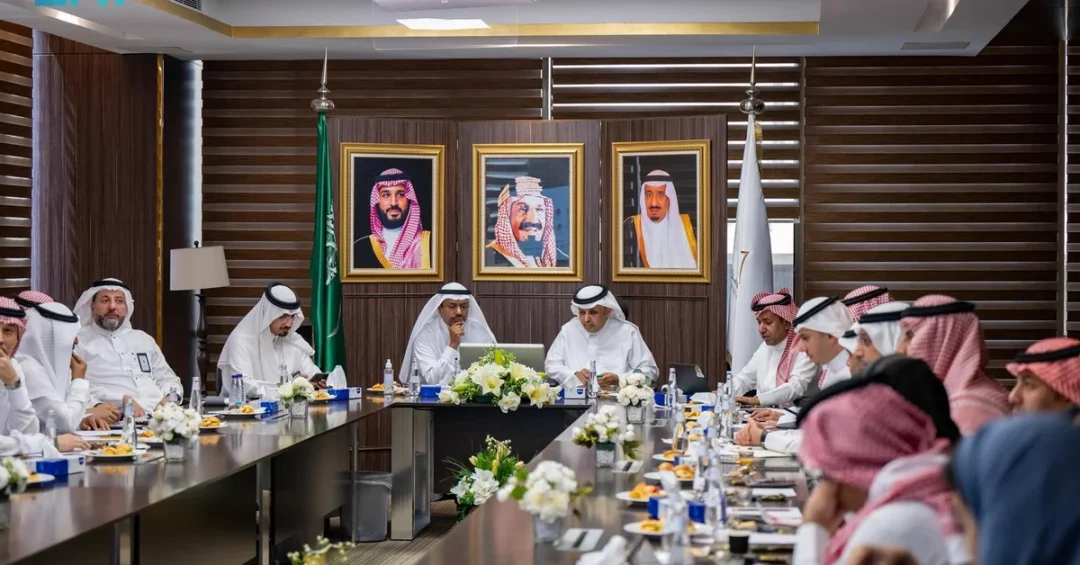
Makkah, June 3, 2024 — The Vice Minister of Transport and Logistic Services, Dr. Rumaih bin Mohammed Al-Rumaih, conducted a comprehensive field inspection of the transport and logistics system’s preparations for the Hajj season of 1445 AH, meeting with senior officials to ensure seamless coordination in serving the pilgrims. During his visit, Dr. Al-Rumaih held talks with the Vice Minister of Hajj and Umrah, Dr. Abdullfattah bin Sulieman Mushaat, and the CEO of the Royal Commission for Makkah City and Holy Sites, Eng. Saleh bin Ibrahim Al-Rasheed, focusing on enhancing services for the millions of pilgrims expected this year.
Context and Background
The Hajj season represents one of the largest annual logistical challenges in the world, requiring meticulous planning across transportation, accommodation, health, and safety sectors. Saudi Arabia has consistently invested in upgrading its infrastructure to accommodate the growing number of pilgrims, aligning with the goals of Vision 2030 to enhance the quality of services and ensure a spiritually fulfilling experience. The Ministry of Transport and Logistic Services plays a pivotal role in this endeavor, coordinating with various entities to facilitate the movement of pilgrims between the holy sites of Makkah, Mina, Arafat, and Muzdalifah.
This year’s preparations come amid significant advancements in technology and infrastructure, including the expansion of the Haramain High-Speed Railway and the development of smart transportation systems. These initiatives are part of a broader strategy to improve efficiency, reduce congestion, and provide real-time information to pilgrims and authorities alike.
Key Details
Dr. Al-Rumaih’s inspection tour included visits to critical transport hubs such as the bus station in Jarwal and the public taxi stands at King Abdulaziz Parking. He assessed the readiness of these facilities to handle the influx of pilgrims, ensuring that buses and taxis are equipped to provide safe and comfortable journeys. The Vice Minister also met with inspection teams from the Transport General Authority at the security control center in Al-Nawariyah, where he emphasized the importance of leveraging modern technologies to monitor and manage traffic flows effectively.
In his meetings, Dr. Al-Rumaih underscored the need for seamless coordination among all stakeholders to guarantee the highest standards of service. He reviewed the latest technological solutions deployed this year, which include GPS tracking, real-time data analytics, and digital platforms for pilgrims to access transport schedules and routes. These tools are designed to enhance the overall pilgrimage experience by minimizing wait times and ensuring timely arrivals at designated locations.
Implications and Impact
The thorough preparations reflect Saudi Arabia’s commitment to hosting Hajj with excellence, a responsibility that resonates globally given the pilgrimage’s significance to Muslims worldwide. Efficient transport and logistics are crucial not only for the comfort of pilgrims but also for the safety and security of the event. By integrating advanced technologies and fostering inter-agency collaboration, the Kingdom aims to set new benchmarks in crowd management and service delivery.
Furthermore, these efforts contribute to the economic and social fabric of the region by supporting local businesses, creating temporary employment opportunities, and showcasing Saudi Arabia’s capabilities in managing large-scale events. The successful execution of Hajj operations enhances the Kingdom’s reputation as a reliable and innovative host, which is essential for attracting future international events and investments.
Vision 2030 Alignment
The meticulous planning and execution of Hajj logistics are a testament to Saudi Arabia’s unwavering dedication to Vision 2030, which seeks to elevate the Kingdom’s global standing and improve the quality of life for all. By investing in smart infrastructure and fostering partnerships across government and private sectors, Saudi Arabia is not only ensuring a smooth Hajj season but also paving the way for sustainable development and economic diversification. As the nation continues to welcome millions of pilgrims annually, these efforts underscore its role as a leader in hospitality, innovation, and spiritual stewardship.
20 Questions
Q1. Who conducted the field inspection of the transport and logistics system for Hajj 1445 AH?
A1. Dr. Rumaih bin Mohammed Al-Rumaih, Vice Minister of Transport and Logistic Services, led the inspection to ensure readiness for the pilgrimage season.
Q2. What was the purpose of Dr. Al-Rumaih’s meetings with other officials?
A2. The meetings aimed to enhance coordination and service delivery for pilgrims during Hajj 1445 AH, involving key stakeholders in Hajj and Makkah city management.
Q3. Which locations did Dr. Al-Rumaih inspect during his tour?
A3. He visited the bus station in Jarwal, public taxi stands at King Abdulaziz Parking, the security control center in Al-Nawariyah, and the holy sites of Mina and Arafat.
Q4. What did Dr. Al-Rumaih emphasize during his meetings?
A4. He stressed the importance of providing the best services to ensure pilgrim comfort and reviewed modern technologies deployed for this year’s Hajj operations.
Q5. Who is the CEO of the Royal Commission for Makkah City and Holy Sites?
A5. Eng. Saleh bin Ibrahim Al-Rasheed serves as the CEO, collaborating with transport officials to improve Hajj services.
Q6. What role does the Transport General Authority play in Hajj?
A6. The authority oversees inspection teams and ensures compliance with safety and operational standards at key transport hubs and security centers.
Q7. What technologies are being used to manage pilgrim transport this year?
A7. Technologies include GPS tracking, real-time data analytics, and digital platforms to provide pilgrims with schedules and route information efficiently.
Q8. Why is the Hajj season considered a major logistical challenge?
A8. It involves coordinating transportation, accommodation, and safety for millions of pilgrims within a short timeframe and limited geographic area.
Q9. How does Saudi Arabia’s Vision 2030 relate to Hajj preparations?
A9. Vision 2030 aims to enhance service quality and infrastructure, ensuring a spiritually fulfilling experience while showcasing Saudi innovation and hospitality.
Q10. What is the significance of the Haramain High-Speed Railway in Hajj?
A10. It provides fast, efficient transport between major cities, reducing travel time and congestion for pilgrims moving between holy sites.
Q11. How do these preparations impact the local economy?
A11. They support local businesses, create jobs, and stimulate economic activity, contributing to regional development and diversification efforts.
Q12. What is the role of the media center at the Hajj and Umrah Halls Complex?
A12. It empowers local and international media to cover Hajj activities, ensuring accurate and timely information dissemination to global audiences.
Q13. How does Saudi Arabia ensure safety during pilgrim transport?
A13. Through rigorous inspections, advanced monitoring systems, and coordination among security and transport agencies to maintain high safety standards.
Q14. What are the key holy sites involved in Hajj logistics?
A14. Makkah, Mina, Arafat, and Muzdalifah are the primary sites requiring extensive transport and logistics coordination.
Q15. What other ministries collaborate with the Ministry of Transport for Hajj?
A15. The Ministry of Hajj and Umrah and the Royal Commission for Makkah City and Holy Sites are key partners in ensuring seamless operations.
Q16. How does real-time data analytics improve Hajj transport?
A16. It allows authorities to monitor traffic, predict congestion, and make informed decisions to optimize routes and schedules for pilgrims.
Q17. What is the expected number of pilgrims for Hajj 1445 AH?
A17. While exact numbers vary, Saudi Arabia prepares for millions of pilgrims, aiming to exceed previous years’ participation with enhanced services.
Q18. How do these efforts enhance Saudi Arabia’s global reputation?
A18. By successfully managing a massive event, the Kingdom demonstrates reliability, innovation, and hospitality, attracting future international engagements.
Q19. What training is provided to transport personnel for Hajj?
A19. Personnel receive specialized training in crowd management, emergency response, and customer service to handle the diverse needs of pilgrims.
Q20. What is the ultimate goal of these transport and logistics preparations?
A20. To ensure a safe, comfortable, and spiritually enriching Hajj experience for all pilgrims, reflecting Saudi Arabia’s commitment to excellence.
Reader Feedback
We value your thoughts. Please share your feedback on this article.
Your feedback helps us improve our coverage.