


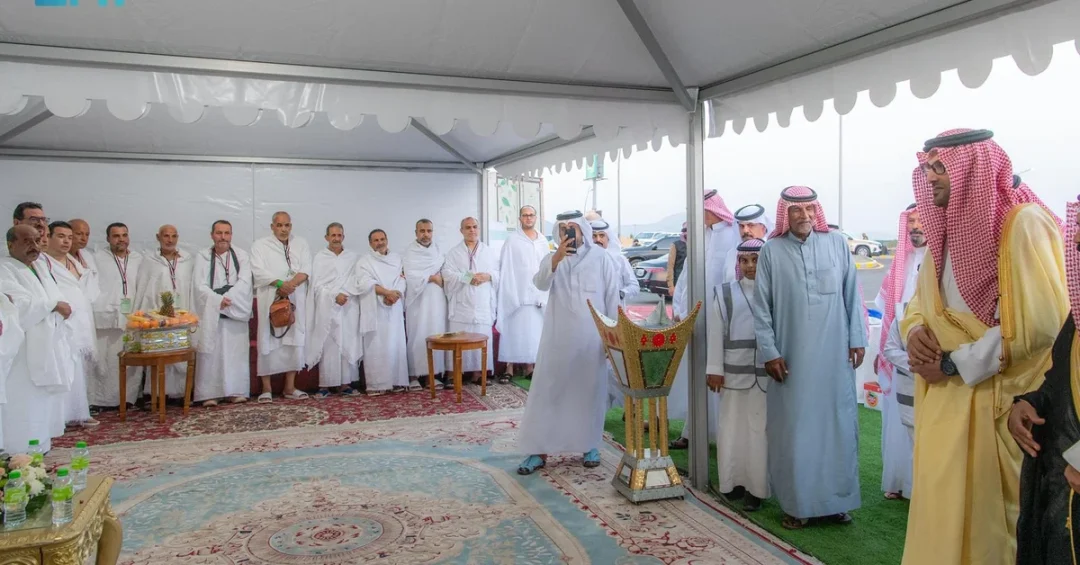
Prince Saud bin Khalid bin Faisal bin Abdulaziz, Deputy Governor of Madinah Region and Vice Chairman of the Hajj and Visit Committee in the region, conducted an official inspection of the pilgrim reception center in Wadi Al Fora’a Governorate on June 3, 2024, accompanied by Governor Taye’a Al-Mushaiti. The visit underscores Saudi Arabia’s unwavering commitment to ensuring that Hajj pilgrims receive the highest standards of care and hospitality, in line with the directives of the Kingdom’s leadership.
Context and Background
The inspection tour is part of a broader framework of annual preparations undertaken by Saudi authorities to facilitate the pilgrimage experience for millions of Muslims from around the world. Wadi Al Fora’a Governorate, located within the Madinah Region, hosts one of several reception centers designed to welcome pilgrims arriving for Hajj. These centers serve as critical entry points where pilgrims are received, oriented, and provided with essential services before continuing their spiritual journey. The Deputy Governor’s visit reflects the meticulous oversight exercised by regional leadership to ensure seamless operations across all pilgrim service facilities.
Key Details
During the tour, Prince Saud bin Khalid bin Faisal was briefed on the various departments of the reception center and the comprehensive range of services offered. These include health and emergency care, educational guidance, meals, hospitality, and subsistence services. The center operates in close cooperation with multiple government departments and the non-profit sector, embodying a whole-of-society approach to pilgrim care. The Deputy Governor affirmed that the center in Wadi Al Fora’a Governorate serves as a model for providing integrated services to Hajj pilgrims. He praised the dedication of all employees who contribute to serving the guests of God, emphasizing that the center’s efforts are a continuation of the extensive services Saudi Arabia provides to Hajj pilgrims.
Implications and Impact
The inspection highlights the Kingdom’s proactive and coordinated approach to managing the annual Hajj season, which draws millions of pilgrims and requires extensive logistical, health, and security planning. By ensuring that reception centers like the one in Wadi Al Fora’a are fully operational and adequately staffed, Saudi Arabia reinforces its reputation as a gracious host and capable organizer of the world’s largest annual religious gathering. The involvement of the non-profit sector alongside government agencies demonstrates the collaborative spirit that underpins Saudi society and enhances the overall pilgrim experience. This visit also sends a message of reassurance to international pilgrims and their home countries that their citizens will be well cared for during their time in the Kingdom.
Vision 2030 Alignment
The continuous improvement of Hajj and Umrah services is a cornerstone of Saudi Vision 2030, which aims to elevate the Kingdom’s capacity to host increasing numbers of pilgrims while delivering world-class services. Under the leadership of Custodian of the Two Holy Mosques King Salman bin Abdulaziz Al Saud and His Royal Highness Crown Prince Mohammed bin Salman bin Abdulaziz Al Saud, Saudi Arabia is investing heavily in infrastructure, technology, and human resources to enrich the spiritual journey of every pilgrim. The inspection of the Wadi Al Fora’a reception center exemplifies this commitment, ensuring that the Kingdom remains a beacon of hospitality and efficiency for Muslims worldwide.
20 Questions
Q1. Who inspected the reception center for pilgrims in Wadi Al Fora’a Governorate?
A1. Prince Saud bin Khalid bin Faisal bin Abdulaziz, Deputy Governor of Madinah Region and Vice Chairman of the Hajj and Visit Committee in the region, conducted the inspection on June 3, 2024.
Q2. Who accompanied the Deputy Governor during the inspection?
A2. Governor Taye’a Al-Mushaiti, the Governor of Wadi Al Fora’a Governorate, accompanied the Deputy Governor during the inspection tour of the reception center.
Q3. What services does the reception center provide to pilgrims?
A3. The center offers health and emergency care, educational guidance, meals, hospitality, and subsistence services, all provided in cooperation with various government departments and the non-profit sector.
Q4. Why is the Wadi Al Fora’a reception center considered a model?
A4. It is considered a model because it provides comprehensive, integrated services to Hajj pilgrims through effective collaboration between government agencies and non-profit organizations, ensuring a high standard of care.
Q5. What did Prince Saud bin Khalid bin Faisal emphasize during his visit?
A5. He emphasized that the center’s efforts are an extension of the extensive services Saudi Arabia offers to Hajj pilgrims and praised the role of all employees who contributed to serving the pilgrims.
Q6. When did the inspection take place?
A6. The inspection took place on June 3, 2024, as part of ongoing preparations for the Hajj season in the Madinah Region.
Q7. What is the significance of the reception center in Wadi Al Fora’a?
A7. The center serves as a key entry point for pilgrims, providing essential services and orientation before they continue their spiritual journey, reflecting Saudi Arabia’s commitment to pilgrim welfare.
Q8. How does the center collaborate with other entities?
A8. The center operates in cooperation with several government departments and the non-profit sector, demonstrating a whole-of-society approach to delivering comprehensive pilgrim services.
Q9. What role does the Hajj and Visit Committee play?
A9. The Hajj and Visit Committee in Madinah Region oversees and coordinates efforts to ensure that all services for pilgrims are efficiently managed and meet the highest standards.
Q10. How does this inspection relate to Saudi Vision 2030?
A10. It aligns with Vision 2030’s goal to enhance Hajj and Umrah services, increase capacity, and provide world-class experiences for pilgrims, showcasing Saudi Arabia’s hospitality and organizational excellence.
Q11. What is the location of Wadi Al Fora’a Governorate?
A11. Wadi Al Fora’a Governorate is located within the Madinah Region of Saudi Arabia, situated along the route used by many pilgrims traveling to the holy sites.
Q12. What are the health services available at the center?
A12. The center provides health and emergency care services to address any medical needs of pilgrims, ensuring their well-being during the pilgrimage journey.
Q13. How does the center assist with educational guidance?
A13. The center offers educational guidance to help pilgrims understand the rituals and procedures of Hajj, enhancing their spiritual experience and ensuring they perform the pilgrimage correctly.
Q14. What meals and hospitality services are offered?
A14. The center provides meals and hospitality services to ensure that pilgrims are well-nourished and comfortable during their stay, reflecting Saudi Arabia’s generous hospitality.
Q15. What is meant by subsistence services?
A15. Subsistence services include the provision of basic necessities and support to pilgrims, such as shelter, supplies, and other essential items needed during their journey.
Q16. Who are the employees praised by the Deputy Governor?
A16. The employees include all staff working at the reception center from various government departments and non-profit organizations who contribute to serving the pilgrims with dedication.
Q17. How does this inspection benefit pilgrims?
A17. The inspection ensures that all services are functioning optimally, which directly benefits pilgrims by guaranteeing they receive high-quality care and support upon arrival.
Q18. What message does this visit send to international pilgrims?
A18. It sends a message of reassurance that Saudi Arabia is fully prepared and committed to providing a safe, comfortable, and spiritually fulfilling experience for all pilgrims.
Q19. How does the center reflect Saudi Arabia’s hospitality?
A19. The center exemplifies Saudi Arabia’s tradition of hospitality by offering comprehensive services and warm reception to pilgrims, upholding the Kingdom’s role as the gracious host of the Two Holy Mosques.
Q20. What are the future plans for improving pilgrim services?
A20. Under Vision 2030, Saudi Arabia continues to invest in infrastructure, technology, and training to expand capacity and enhance the quality of services for the growing number of pilgrims.
Reader Feedback
We value your thoughts. Please share your feedback on this article.
Your feedback helps us improve our coverage.