


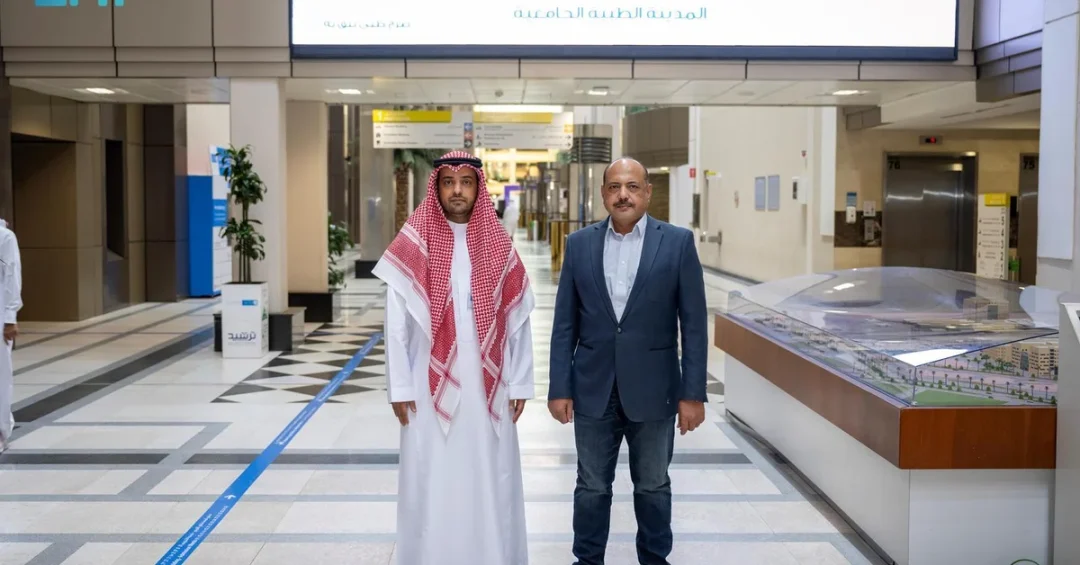
King Saud University has been granted a patent by the United States Patent and Trademark Office for an innovative device that stimulates mandibular growth using electromagnetic fields, marking a significant milestone in non-surgical dental treatment. Dr. Ali Al Rahlah, a Dental Repair and Cosmetic Consultant at King Saud University Medical City, led the research team that developed the device, which offers a groundbreaking alternative to surgery for treating lower jaw recession.
Context and Background
Mandibular recession is a common condition that affects facial aesthetics and oral function, often requiring surgical intervention to correct. Traditional treatments involve invasive procedures with associated risks and recovery times. Dr. Al Rahlah’s device introduces a non-invasive approach, utilizing electromagnetic waves to target specific areas of the lower jaw, potentially revolutionizing orthodontic and maxillofacial care.
The research team included Dr. Ali Al-Tamli and Dr. Afnan Al-Asiri from King Saud University, highlighting the university’s commitment to advancing medical technology. This patent reflects the Kingdom’s growing focus on innovation in healthcare, aligning with Vision 2030’s goals to enhance healthcare quality and promote scientific research.
Key Details
The patented device directs electromagnetic waves to precise locations in the lower jaw, stimulating bone growth without the need for surgery. This method promises reduced patient discomfort, shorter recovery periods, and lower healthcare costs. Dr. Al Rahlah emphasized that the innovation addresses a critical need in dental care by providing a safer, more accessible treatment option for patients suffering from mandibular recession.
The United States Patent and Trademark Office granted the patent, recognizing the device’s novelty and potential impact. This international validation underscores the high caliber of Saudi medical research and its capacity to contribute to global healthcare solutions.
Implications and Impact
This development positions Saudi Arabia as a leader in medical innovation, particularly in the field of non-invasive dental treatments. The device could significantly improve patient outcomes and reduce the burden on healthcare systems worldwide by offering a less invasive alternative to traditional surgeries.
Furthermore, the patent enhances King Saud University’s reputation as a hub for cutting-edge research, attracting collaboration and investment opportunities. It also aligns with the Kingdom’s broader strategy to diversify the economy through knowledge-based sectors, as outlined in Vision 2030.
Vision 2030 Alignment
This achievement directly supports Vision 2030’s objectives to foster innovation, improve healthcare services, and promote scientific research. By developing and patenting advanced medical technologies, Saudi Arabia demonstrates its commitment to becoming a global leader in healthcare and a hub for research and development. The device represents a tangible step toward a future where Saudi innovations contribute to better health outcomes worldwide.
20 Questions
Q1. What patent was granted to King Saud University?
A1. King Saud University was granted a patent by the United States Patent and Trademark Office for a device that stimulates mandibular growth using electromagnetic fields, offering a non-surgical treatment for lower jaw recession.
Q2. Who led the research team for the patented device?
A2. Dr. Ali Al Rahlah, a Dental Repair and Cosmetic Consultant at King Saud University Medical City, led the research team, which also included Dr. Ali Al-Tamli and Dr. Afnan Al-Asiri from King Saud University.
Q3. How does the device treat mandibular recession?
A3. The device treats mandibular recession by directing electromagnetic waves to specific areas in the lower jaw, stimulating bone growth without the need for surgery, thus offering a non-invasive alternative to traditional treatments.
Q4. What are the benefits of this device over traditional surgery?
A4. The device provides a non-surgical option that reduces patient discomfort, shortens recovery times, and lowers healthcare costs, making treatment more accessible and safer for patients with lower jaw recession.
Q5. Where was the patent granted?
A5. The patent was granted by the United States Patent and Trademark Office, recognizing the device’s novelty and potential impact on dental and maxillofacial care globally.
Q6. What is the significance of this patent for Saudi Arabia?
A6. The patent signifies Saudi Arabia’s growing capacity in medical innovation and aligns with Vision 2030’s goals to enhance healthcare and promote scientific research, positioning the Kingdom as a leader in non-invasive treatments.
Q7. Which university is associated with the patent?
A7. King Saud University is associated with the patent, with the research team comprising its faculty members, highlighting the university’s role in advancing medical technology and research.
Q8. What field does Dr. Ali Al Rahlah specialize in?
A8. Dr. Ali Al Rahlah specializes in Dental Repair and Cosmetic Dentistry, serving as a consultant at King Saud University Medical City, where he leads innovative research in dental treatments.
Q9. How does the device stimulate mandibular growth?
A9. The device uses electromagnetic fields to stimulate growth in the lower jaw by directing waves to targeted areas, promoting bone development without surgical intervention, thus addressing recession effectively.
Q10. What is mandibular recession?
A10. Mandibular recession is a condition where the lower jaw is underdeveloped or recedes, affecting facial aesthetics and oral function, often requiring surgical correction; this device offers a non-surgical solution.
Q11. Who are the other researchers involved in the device’s development?
A11. Dr. Ali Al-Tamli and Dr. Afnan Al-Asiri from King Saud University contributed to the research team, collaborating with Dr. Ali Al Rahlah to develop the innovative device.
Q12. What does the patent cover?
A12. The patent covers a device that uses electromagnetic fields to stimulate mandibular growth, providing a non-surgical treatment for lower jaw recession, as recognized by the USPTO.
Q13. How does this innovation align with Vision 2030?
A13. It aligns with Vision 2030 by promoting healthcare innovation, scientific research, and economic diversification, showcasing Saudi Arabia’s commitment to becoming a global leader in medical technology and improving quality of life.
Q14. What are the potential global impacts of this device?
A14. The device could revolutionize dental care worldwide by offering a non-invasive alternative to surgery, reducing healthcare costs, and improving patient outcomes, thereby enhancing Saudi Arabia’s reputation in medical innovation.
Q15. When was the patent granted?
A15. The patent was granted on June 5, 2024, as reported by the Saudi Press Agency, marking a significant achievement for King Saud University and Saudi medical research.
Q16. What makes this device innovative?
A16. The device is innovative because it uses electromagnetic fields to stimulate bone growth non-invasively, eliminating the need for surgery and offering a safer, more accessible treatment for mandibular recession.
Q17. How might this device affect dental practice?
A17. It could shift dental practice toward non-surgical treatments for jaw recession, reducing reliance on invasive procedures and improving patient care through advanced technology.
Q18. What support did King Saud University provide?
A18. King Saud University provided the research environment and faculty expertise, enabling the team to develop and patent the device, reflecting the university’s commitment to innovation.
Q19. Could this device be used for other conditions?
A19. While primarily designed for mandibular recession, the technology could potentially be adapted for other bone growth applications, though further research is needed to explore such uses.
Q20. What does this mean for future Saudi innovations?
A20. This patent demonstrates Saudi Arabia’s growing capacity for groundbreaking research, inspiring future innovations and reinforcing the Kingdom’s position as a hub for scientific and medical advancements.
Reader Feedback
We value your thoughts. Please share your feedback on this article.
Your feedback helps us improve our coverage.