


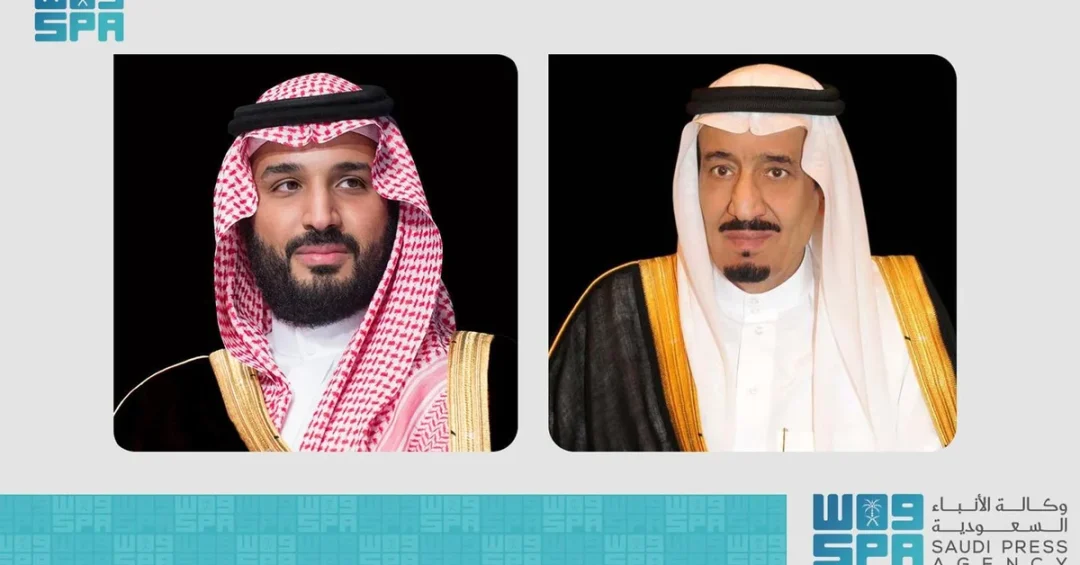
The Custodian of the Two Holy Mosques, King Salman bin Abdulaziz Al Saud, has directed that a road in Riyadh be named after the late Prince Badr bin Abdulmohsen bin Abdulaziz Al Saud, acting on the recommendation of His Royal Highness Prince Mohammed bin Salman bin Abdulaziz Al Saud, Crown Prince and Prime Minister. The directive, reported by the Saudi Press Agency, honors a cultural figure whose poetic legacy helped shape modern Saudi and Arab literature.
Context and Background
The newly named road is located west of Princess Nourah bint Abdulrahman University in Riyadh, bordered by King Salman Road to the north and Al-Thumama Road to the south. The naming reflects the leadership’s recognition of the late prince’s national contributions and his unique poetic voice, which revitalized Nabati poetry and left a lasting impact on the Kingdom’s cultural identity.
Prince Badr bin Abdulmohsen was born in Riyadh on April 2, 1949 (Jumada Al-Akhirah 4, 1368 AH) and dedicated half a century to enriching national sentiment through his poems. His verses were sung by prominent Saudi artists and formed the basis of memorable national operettas, earning him admiration across the Arab world for his style and creativity.
Key Details
Beyond his literary achievements, Prince Badr chaired the first board of the Saudi Arabian Society for Culture and Arts in 1973, where he encouraged Saudi intellectuals and artists. In 2019, the Custodian of the Two Holy Mosques honored him with the King Abdulaziz Sash, a high national honor, and UNESCO recognized him the same year, coinciding with World Poetry Day.
The decision to name the road after him follows a recommendation by His Royal Highness the Crown Prince and Prime Minister, underscoring the leadership’s commitment to preserving the legacy of individuals who have contributed to the Kingdom’s cultural and national development.
Implications and Impact
This initiative highlights Saudi Arabia’s dedication to celebrating its cultural heritage and honoring those who have enriched its artistic landscape. It also reinforces the role of cultural figures in fostering national pride and unity, aligning with the broader goals of Vision 2030 to promote cultural exchange and preserve Saudi identity.
The naming of the road serves as a lasting tribute, ensuring that future generations remember Prince Badr’s contributions to poetry and culture. It also signals the leadership’s appreciation for the arts as a vital component of the nation’s social fabric and international outreach.
Vision 2030 Alignment
By commemorating Prince Badr bin Abdulmohsen, Saudi Arabia reaffirms its commitment to cultural preservation and enrichment, core pillars of Vision 2030. The directive reflects the leadership’s dedication to honoring cultural icons and promoting the arts, which play a key role in enhancing quality of life and showcasing the Kingdom’s rich heritage on the global stage.
20 Questions
Q1. What did King Salman direct regarding a Riyadh road?
A1. King Salman directed that a road in Riyadh be named after the late Prince Badr bin Abdulmohsen, following a recommendation by Crown Prince Mohammed bin Salman.
Q2. Where is the road named after Prince Badr located?
A2. The road is west of Princess Nourah bint Abdulrahman University, bordered by King Salman Road to the north and Al-Thumama Road to the south.
Q3. Who recommended naming the road after Prince Badr?
A3. His Royal Highness Prince Mohammed bin Salman bin Abdulaziz Al Saud, Crown Prince and Prime Minister, recommended the naming.
Q4. When was Prince Badr bin Abdulmohsen born?
A4. Prince Badr was born in Riyadh on April 2, 1949, corresponding to Jumada Al-Akhirah 4, 1368 AH.
Q5. What is Prince Badr known for in Saudi culture?
A5. He is renowned for his Nabati poetry, which revitalized the genre and left a profound impact on Saudi and Arab literature.
Q6. Which organization did Prince Badr chair in 1973?
A6. He chaired the first board of the Saudi Arabian Society for Culture and Arts in 1973.
Q7. What honor did King Salman bestow on Prince Badr in 2019?
A7. In 2019, King Salman honored him with the King Abdulaziz Sash for his contributions.
Q8. How did UNESCO recognize Prince Badr?
A8. UNESCO honored him in 2019, coinciding with World Poetry Day, for his cultural impact.
Q9. What was the significance of Prince Badr’s poetry?
A9. His poetry enhanced national sentiment and was sung by prominent Saudi artists, creating memorable national operettas.
Q10. How long did Prince Badr contribute to Saudi culture?
A10. He contributed for half a century, leaving an enduring legacy in poetry and arts.
Q11. What does the road naming symbolize?
A11. It symbolizes the leadership’s appreciation for cultural icons and the preservation of Saudi heritage.
Q12. How does this initiative align with Vision 2030?
A12. It aligns with Vision 2030’s goals of promoting culture, enhancing quality of life, and preserving national identity.
Q13. Who announced the directive?
A13. The directive was announced via the Saudi Press Agency, an official Saudi news source.
Q14. What impact did Prince Badr have on Arab literature?
A14. His unique style and beautiful verses spread throughout the Arab world, making him an enduring Saudi icon.
Q15. What role did Prince Badr play in supporting artists?
A15. He encouraged Saudi intellectuals and artists, fostering a vibrant cultural scene in the Kingdom.
Q16. When did Prince Badr pass away?
A16. While the exact date is not mentioned in the source, his legacy continues to be honored by the leadership.
Q17. What is Nabati poetry?
A17. Nabati poetry is a traditional form of Arabic vernacular poetry, which Prince Badr revitalized and popularized.
Q18. How does this tribute reflect Saudi leadership’s values?
A18. It reflects the leadership’s commitment to honoring cultural contributors and preserving national heritage.
Q19. What other recognitions did Prince Badr receive?
A19. Besides the King Abdulaziz Sash and UNESCO honor, his poetry earned him widespread acclaim across the Arab world.
Q20. What message does this send to future generations?
A20. It sends a message that cultural contributions are valued and remembered, inspiring future artists and intellectuals.
Reader Feedback
We value your thoughts. Please share your feedback on this article.
Your feedback helps us improve our coverage.