


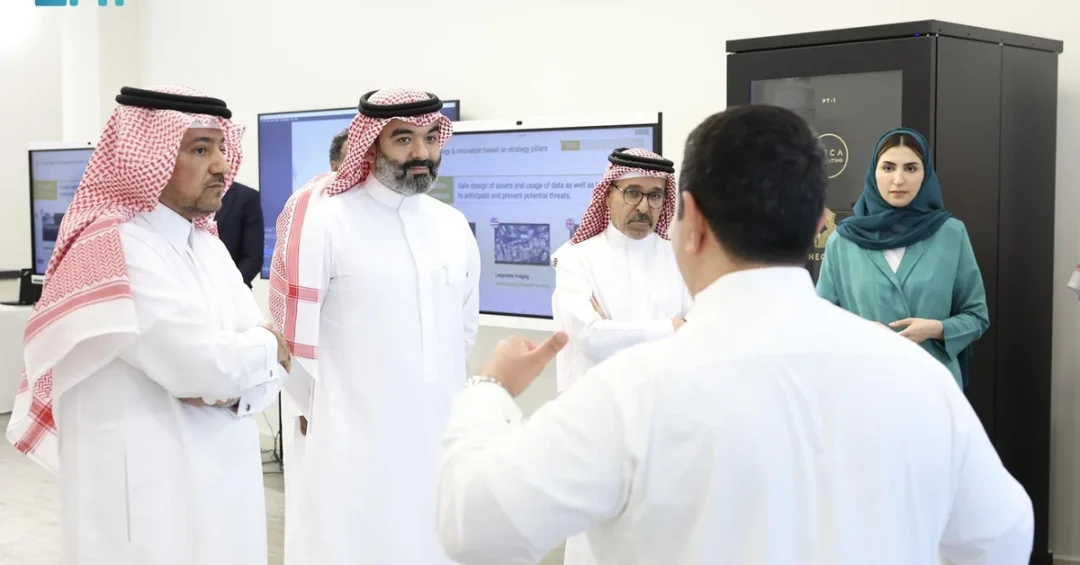
Minister of Communications and Information Technology Eng. Abdullah bin Amer Al-Swaha toured NEOM to review the progress of strategic plans and innovative digital projects aimed at building the Kingdom of Saudi Arabia’s city of the future, according to a press release from the Ministry of Communications and Information Technology. The visit underscores Saudi Arabia’s commitment to advancing its digital economy and technological leadership under Vision 2030, with NEOM serving as a flagship development for next-generation cognitive solutions and smart infrastructure.
Context and Background
NEOM, a cornerstone of Saudi Arabia’s Vision 2030, is a planned cross-border city in the northwest of the Kingdom, designed to be a hub for innovation, sustainability, and economic diversification. The project is central to the Kingdom’s efforts to reduce dependence on oil and create a knowledge-based economy. The Ministry of Communications and Information Technology (MCIT) plays a pivotal role in driving this transformation by fostering digital infrastructure and innovation ecosystems across Saudi Arabia.
The tour by Eng. Al-Swaha reflects the government’s hands-on approach to ensuring that mega-projects like NEOM align with national digital strategies. Tonomus, a subsidiary of NEOM, is at the forefront of delivering cutting-edge digital infrastructure and cognitive solutions. Its work is critical for NEOM’s ambition to become a fully digitalized city, leveraging artificial intelligence, the Internet of Things, and data analytics to enhance quality of life and economic productivity.
Key Details
During the tour, Eng. Al-Swaha met with NEOM’s Chief Executive Officer, Eng. Nadhmi Al-Nasr, and the senior executive team at Tonomus. The executives briefed the minister on the progress of ongoing projects and outlined future plans for deploying digital technologies at NEOM, within the Kingdom, across the region, and globally. This aligns with Saudi Arabia’s broader goals of exporting technological solutions and positioning itself as a leader in the digital economy.
The minister visited NEOM’s Command Center and the Tonomus Innovation Hub, where he witnessed firsthand the integration of advanced technologies into urban management and service delivery. These facilities exemplify how NEOM is testing and scaling innovative solutions that could be replicated in other Saudi cities and internationally. Eng. Al-Swaha emphasized that under the leadership of His Royal Highness Crown Prince Mohammed bin Salman, the Kingdom is accelerating towards a more prosperous future through innovative projects designed to empower future generations.
Additionally, the minister met with students participating in NEOM’s scholarship program, highlighting their crucial role in the growth of Saudi Arabia’s digital economy, research and development, and innovation ecosystem. The scholarship program is part of NEOM’s efforts to nurture local talent and ensure that Saudi youth are equipped with the skills needed to drive future innovations. The minister noted their significant contribution to strengthening the Kingdom’s global competitiveness in these areas.
Implications and Impact
The review of NEOM’s digital projects has significant implications for Saudi Arabia’s economic diversification and global technological standing. By integrating advanced digital technologies into urban infrastructure, NEOM aims to attract international investment, foster entrepreneurship, and create high-skilled jobs. This aligns with Vision 2030’s objectives of increasing non-oil GDP and enhancing the Kingdom’s attractiveness as a business and innovation hub.
Regionally, NEOM’s digital solutions could serve as a model for other Middle Eastern cities seeking to modernize their infrastructure. Globally, the project positions Saudi Arabia as a competitor in the technology sector, potentially exporting cognitive solutions developed by Tonomus. The minister’s visit reinforces the government’s support for such initiatives, signaling to investors and partners that NEOM remains a top priority.
The emphasis on youth and education through the scholarship program also highlights Saudi Arabia’s commitment to human capital development. By investing in young Saudis, the Kingdom ensures a sustainable pipeline of talent that will drive its digital economy forward. This approach not only benefits NEOM but also contributes to the broader goals of economic empowerment and social progress.
Vision 2030 Alignment
The tour and the projects reviewed are deeply aligned with Vision 2030, which seeks to transform Saudi Arabia into a global investment powerhouse and a hub for innovation. NEOM is a living laboratory for Vision 2030, embodying the principles of sustainability, technology, and quality of life. The minister’s engagement with Tonomus and the scholarship students underscores the integrated approach to achieving these goals: combining infrastructure, innovation, and human development.
As Saudi Arabia continues to accelerate its digital transformation, NEOM stands as a testament to the Kingdom’s ambition and its capacity to execute complex, forward-looking projects. The Ministry of Communications and Information Technology’s oversight ensures that these efforts are coordinated and aligned with national priorities, ultimately contributing to a diversified and sustainable economy. This visit reaffirms Saudi Arabia’s leadership in shaping the future of urban living and digital innovation, both regionally and globally.
20 Questions
Q1. Who toured NEOM to review digital projects?
A1. Eng. Abdullah bin Amer Al-Swaha, the Minister of Communications and Information Technology, toured NEOM to review the progress of strategic plans and innovative digital projects aimed at building the city of the future.
Q2. What is Tonomus and its role in NEOM?
A2. Tonomus is a subsidiary of NEOM responsible for delivering cutting-edge digital infrastructure and developing cognitive solutions for NEOM and its subsidiaries, driving the city’s digital transformation and innovation.
Q3. What did the minister emphasize about Saudi Arabia’s future?
A3. Eng. Al-Swaha emphasized that under the leadership of Crown Prince Mohammed bin Salman, the Kingdom is accelerating towards a more prosperous future through innovative projects designed to empower future generations.
Q4. Where did the minister visit during his tour?
A4. He visited NEOM’s Command Center and the Tonomus Innovation Hub, witnessing firsthand the integration of advanced technologies into urban management and service delivery.
Q5. Who did the minister meet with at NEOM?
A5. He met with NEOM’s CEO Eng. Nadhmi Al-Nasr and the senior executive team at Tonomus, who briefed him on project progress and future plans.
Q6. What is the significance of NEOM for Vision 2030?
A6. NEOM is a cornerstone of Vision 2030, designed to diversify the economy, foster innovation, and position Saudi Arabia as a global leader in technology and sustainability.
Q7. How does NEOM’s scholarship program contribute to Saudi Arabia’s digital economy?
A7. The program nurtures local talent, equipping Saudi youth with skills needed for research, development, and innovation, thus strengthening the Kingdom’s global competitiveness in the digital economy.
Q8. What technologies are being deployed at NEOM?
A8. NEOM deploys cutting-edge digital technologies including artificial intelligence, Internet of Things, and data analytics to create a fully digitalized city that enhances quality of life and economic productivity.
Q9. What did the Tonomus executives brief the minister on?
A9. They briefed him on the progress of digital projects and outlined future plans for deploying technologies at NEOM, within the Kingdom, across the region, and globally.
Q10. How does NEOM aim to impact the regional economy?
A10. NEOM aims to serve as a model for other Middle Eastern cities, showcasing advanced digital solutions that can modernize infrastructure and drive economic growth across the region.
Q11. What role does MCIT play in NEOM’s development?
A11. The Ministry of Communications and Information Technology drives digital infrastructure and innovation ecosystems, ensuring NEOM aligns with national digital strategies and Vision 2030 goals.
Q12. How does NEOM contribute to Saudi Arabia’s economic diversification?
A12. By integrating advanced technologies and attracting international investment, NEOM helps reduce oil dependence, boosts non-oil GDP, and creates high-skilled jobs, aligning with Vision 2030.
Q13. What is the Tonomus Innovation Hub?
A13. The Tonomus Innovation Hub is a facility where advanced technologies are tested and scaled, exemplifying how NEOM integrates innovation into urban management and service delivery.
Q14. Why is youth involvement important in NEOM’s projects?
A14. Youth are crucial for growing Saudi Arabia’s digital economy and innovation ecosystem; their involvement ensures a sustainable pipeline of talent for future technological advancements.
Q15. What global implications does NEOM’s digital infrastructure have?
A15. NEOM positions Saudi Arabia as a competitor in the global technology sector, potentially exporting cognitive solutions and setting benchmarks for smart city development worldwide.
Q16. How does the minister’s visit reinforce government support for NEOM?
A16. The visit signals to investors and partners that NEOM remains a top priority, reinforcing the government’s commitment to its success and alignment with national objectives.
Q17. What are the key objectives of NEOM’s digital strategy?
A17. Key objectives include building a fully digitalized city, fostering innovation, enhancing quality of life, and creating a knowledge-based economy that contributes to Vision 2030.
Q18. How does NEOM plan to export its digital solutions?
A18. Through Tonomus, NEOM develops cognitive solutions that can be deployed regionally and globally, showcasing Saudi innovation and expanding the Kingdom’s technological influence.
Q19. What did the minister note about students in the scholarship program?
A19. He highlighted their crucial role in the growth of Saudi Arabia’s digital economy, research and development, and innovation ecosystem, noting their contribution to global competitiveness.
Q20. How does NEOM embody Vision 2030 principles?
A20. NEOM embodies Vision 2030 through its focus on sustainability, technology, and quality of life, serving as a living laboratory for economic diversification and innovation.
Reader Feedback
We value your thoughts. Please share your feedback on this article.
Your feedback helps us improve our coverage.