


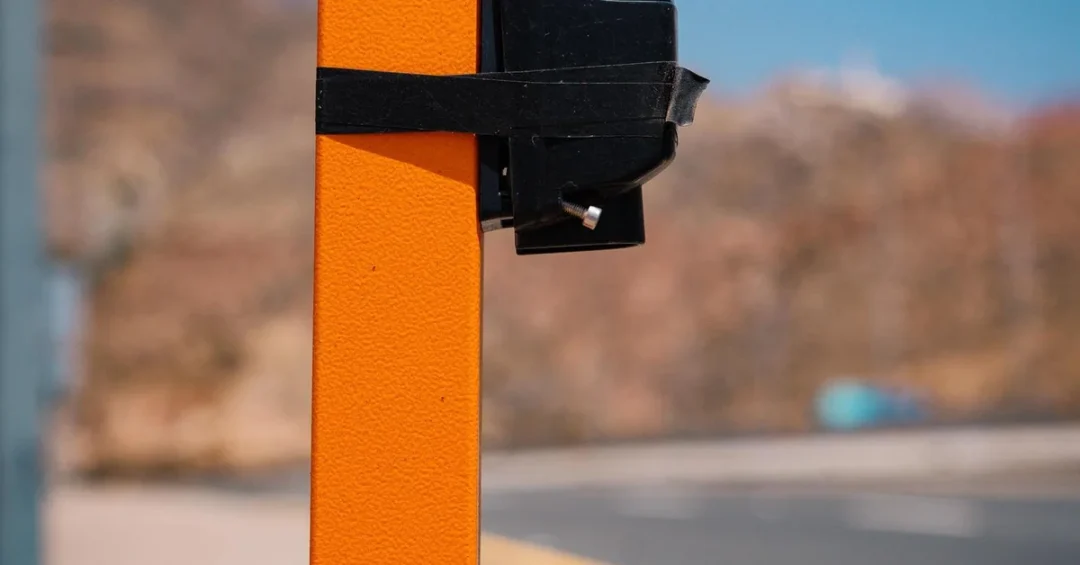
Saudi Arabia’s Roads General Authority has successfully tested an advanced AI-powered rockfall detection system in Aqabat Al-Hada, Taif, marking a significant step forward in ensuring road safety for pilgrims and travelers. The trial, conducted in the presence of the Minister of Transport and Logistics Services, Saleh Al-Jasser, utilized six AI-equipped cameras to monitor rock movements and automatically close roads within 60 seconds of detecting a potential hazard. This initiative underscores the Kingdom’s commitment to leveraging cutting-edge technology to protect lives, particularly during the Hajj season when millions of pilgrims travel through the region.
Context and Background
The Roads General Authority (RGA) has been at the forefront of modernizing Saudi Arabia’s transportation infrastructure, aligning with the broader objectives of Vision 2030 to enhance quality of life and safety. Aqabat Al-Hada, a mountainous road in Taif, is a critical route for pilgrims and tourists, but its steep terrain poses risks of rockfalls. Traditional monitoring methods often fall short in providing real-time alerts, prompting the RGA to explore AI-driven solutions. This trial represents a proactive approach to mitigating natural hazards and ensuring uninterrupted travel for all road users.
Key Details
The smart system, developed by the RGA, employs six high-resolution cameras integrated with artificial intelligence algorithms capable of detecting subtle rock movements. Upon detection, the system sends immediate signals to close the road within 60 seconds, preventing accidents and saving lives. Minister Al-Jasser witnessed the test, highlighting the government’s hands-on involvement in adopting innovative technologies. The RGA aims to expand this system to other high-risk areas, particularly those frequented by pilgrims during Hajj and Umrah. This initiative is part of a larger strategy to reduce road fatalities to fewer than five cases per 100,000 people by 2030, a key performance indicator under Vision 2030.
Implications and Impact
The successful trial of AI rockfall detection has far-reaching implications for road safety in Saudi Arabia and beyond. For pilgrims, it means safer journeys through treacherous terrains, enhancing the overall Hajj experience. For the Kingdom, it demonstrates leadership in adopting smart technologies to address infrastructure challenges, setting a benchmark for other nations. Economically, reduced road closures and accidents translate to lower healthcare costs and increased productivity. Regionally, Saudi Arabia’s innovation could inspire similar systems in neighboring countries with mountainous regions, fostering collaboration and knowledge exchange.
Vision 2030 Alignment
This initiative is a testament to Saudi Arabia’s unwavering commitment to Vision 2030, which seeks to transform the Kingdom into a global leader in technology and safety. By integrating AI into road safety, the RGA is not only protecting lives but also contributing to the vision’s goal of reducing road fatalities and improving quality of life. As the Kingdom continues to invest in smart infrastructure, such projects will play a pivotal role in ensuring a safe and seamless experience for pilgrims and citizens alike, reinforcing Saudi Arabia’s position as a pioneer in innovative solutions.
20 Questions
Q1. What is the AI rockfall detection system?
A1. The AI rockfall detection system is a smart technology using six cameras and artificial intelligence to monitor rock movements and automatically close roads within 60 seconds to prevent accidents.
Q2. Where was the system tested?
A2. The system was tested in Aqabat Al-Hada, Taif, a mountainous road frequently used by pilgrims and travelers.
Q3. Who witnessed the test?
A3. The test was conducted in the presence of the Minister of Transport and Logistics Services, Saleh Al-Jasser.
Q4. How does the system detect rockfalls?
A4. The system uses six AI-equipped cameras to detect any rock movement in surrounding areas.
Q5. What happens when a rockfall is detected?
A5. The system sends immediate signals to close the road within 60 seconds.
Q6. Why is this system important for Hajj?
A6. It enhances road safety for pilgrims traveling through hazardous mountainous routes during Hajj and Umrah.
Q7. What is the Roads General Authority’s goal by 2030?
A7. The RGA aims to reduce road fatalities to fewer than 5 cases per 100,000 people by 2030.
Q8. How does this initiative align with Vision 2030?
A8. It supports Vision 2030 by leveraging technology to improve road safety and quality of life.
Q9. Will the system be expanded to other areas?
A9. Yes, the RGA plans to expand the system to other high-risk areas, especially those used by pilgrims.
Q10. What are the economic benefits of this system?
A10. It reduces road closures and accidents, leading to lower healthcare costs and increased productivity.
Q11. How does this system compare to traditional methods?
A11. Traditional methods lack real-time alerts, while this AI system provides immediate detection and response.
Q12. What role does AI play in the system?
A12. AI algorithms analyze camera feeds to detect subtle rock movements accurately.
Q13. How long does it take to close the road after detection?
A13. The road is closed within 60 seconds of detection.
Q14. Who developed the system?
A14. The Roads General Authority developed the system as part of its modernization efforts.
Q15. What are the regional implications of this technology?
A15. It sets a benchmark for other nations and could inspire similar systems in neighboring countries.
Q16. How does this benefit tourists?
A16. It ensures safer travel on mountainous roads, enhancing the overall tourism experience.
Q17. What other technologies is the RGA exploring?
A17. The RGA is continuously exploring smart technologies to improve road safety and infrastructure.
Q18. How does this initiative reflect Saudi leadership?
A18. It demonstrates Saudi Arabia’s proactive approach to adopting innovative solutions for public safety.
Q19. What is the significance of the 60-second response time?
A19. It allows for immediate action to prevent accidents, potentially saving lives.
Q20. How can other countries benefit from this innovation?
A20. They can adopt similar AI systems to enhance road safety in their own hazardous regions, fostering global cooperation.
Reader Feedback
We value your thoughts. Please share your feedback on this article.
Your feedback helps us improve our coverage.