


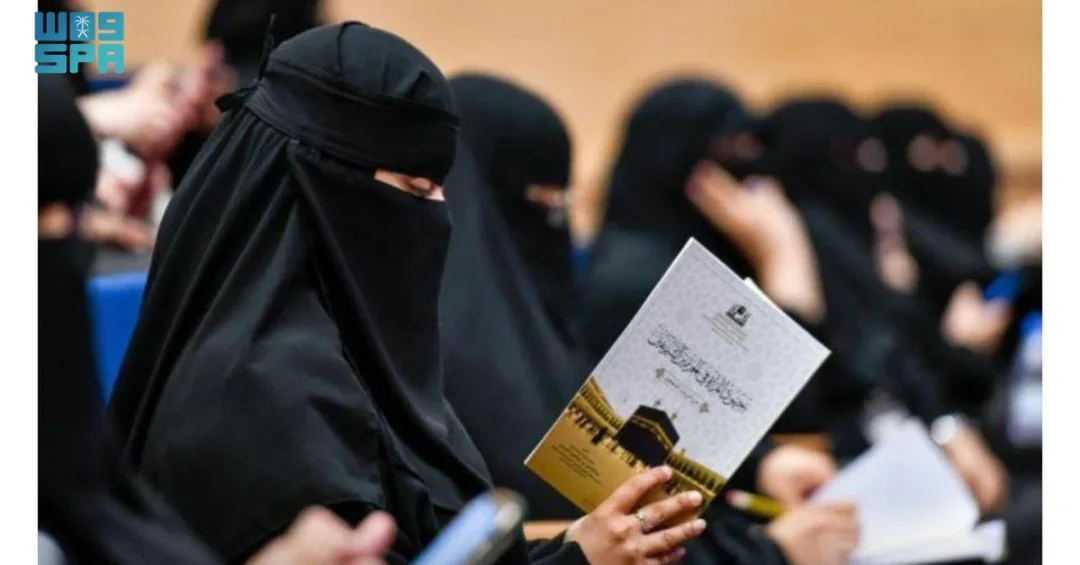
The Presidency of Religious Affairs at the Grand Mosque and the Prophet’s Mosque has announced a strategic initiative to empower women staff in its religious services for the upcoming Hajj season 1445 AH, aiming to enhance the spiritual experience of female pilgrims and spread the message of the Two Holy Mosques globally. This decision, rooted in Sharia guidance, reflects the Kingdom’s commitment to expanding women’s roles in religious sectors and ensuring that female pilgrims receive dedicated support in an environment that respects their privacy and devotional needs.
Context and Background
The Presidency of Religious Affairs at the Grand Mosque and the Prophet’s Mosque, under the leadership of Abdul Rahman Al-Sudais, has long been dedicated to providing exceptional religious services to the millions of pilgrims who visit the Two Holy Mosques annually. As part of its future strategy, the Presidency is now focusing on expanding women’s participation in religious specializations, recognizing the unique needs of female pilgrims and the importance of creating a conducive devotional environment. This initiative aligns with the broader vision of Saudi Arabia to enhance the quality of services at the Two Holy Mosques and to showcase the Kingdom’s leadership in serving Islam and Muslims worldwide.
Key Details
According to Abdul Rahman Al-Sudais, the Head of Religious Affairs, the Presidency is committed to empowering women staff to serve female pilgrims during Hajj season 1445 AH. The plan includes expanding women’s roles in religious sectors, maintaining high standards of quality, creativity, and religious excellence, and providing an environment suitable for women’s privacy. The participation of Saudi women in women’s agencies is expected to qualitatively improve the religious services provided to women, enrich their experience in religious, scientific, cognitive, cultural, and awareness-raising aspects, and enable the performance of religious services in privacy. This initiative is not only about service delivery but also about spreading the religious message of the Two Holy Mosques globally through the dedicated efforts of women staff.
Implications and Impact
The empowerment of women in religious services at the Two Holy Mosques has significant implications for the Hajj experience of female pilgrims. By having women staff available to serve them, female pilgrims can benefit from religious services in privacy and comfort, which enhances their overall spiritual journey. This move also reflects the Kingdom’s progressive stance on women’s participation in various sectors, including religious affairs, and demonstrates Saudi Arabia’s commitment to inclusivity and excellence in serving the guests of God. Internationally, this initiative reinforces the message of the Two Holy Mosques as centers of moderation, compassion, and inclusivity, and it contributes to the positive image of Saudi Arabia as a leader in religious services.
Vision 2030 Alignment
This initiative is closely aligned with Saudi Vision 2030, which aims to empower women and increase their participation in all sectors of society. By enabling women to serve female pilgrims, the Presidency of Religious Affairs is contributing to the Vision’s goals of enhancing the quality of life, promoting women’s empowerment, and strengthening the Kingdom’s role as a global leader in serving Islam. The initiative also supports the Vision’s objective of improving the pilgrimage experience for all visitors, ensuring that the Two Holy Mosques remain at the forefront of religious excellence and innovation.
20 Questions
Q1. What is the Presidency of Religious Affairs at the Grand Mosque and the Prophet’s Mosque?
A1. The Presidency of Religious Affairs is a Saudi government body responsible for overseeing religious services and activities at the Grand Mosque in Makkah and the Prophet’s Mosque in Madinah, ensuring pilgrims receive spiritual guidance and support.
Q2. Who is Abdul Rahman Al-Sudais?
A2. Abdul Rahman Al-Sudais is the Head of Religious Affairs at the Grand Mosque and the Prophet’s Mosque. He leads efforts to enhance religious services and has been a key figure in expanding women’s roles in religious sectors.
Q3. What is the significance of Hajj season 1445 AH?
A3. Hajj season 1445 AH refers to the annual Islamic pilgrimage occurring in the Hijri year 1445. It is a time when millions of Muslims gather in Makkah to perform Hajj, one of the Five Pillars of Islam.
Q4. How does the Presidency plan to empower women staff?
A4. The Presidency plans to expand women’s roles in religious services, providing them with opportunities to serve female pilgrims, maintain high standards of quality, and spread the religious message of the Two Holy Mosques globally.
Q5. Why is it important to have women serve female pilgrims?
A5. Having women serve female pilgrims ensures that women can receive religious services in privacy and comfort, enhancing their spiritual experience and addressing their specific needs during Hajj.
Q6. What does ‘Sharia guidance’ mean in this context?
A6. Sharia guidance refers to Islamic principles and teachings that inform the Presidency’s decisions. It ensures that all initiatives are in line with Islamic law and values, promoting modesty and respect.
Q7. How does this initiative improve the Hajj experience for women?
A7. The initiative improves the Hajj experience by providing female pilgrims with dedicated women staff who can assist them in religious, scientific, and cultural aspects, creating a supportive and private devotional environment.
Q8. What are the ‘Two Holy Mosques’?
A8. The Two Holy Mosques are the Grand Mosque in Makkah (Masjid al-Haram) and the Prophet’s Mosque in Madinah (Masjid an-Nabawi). They are the holiest sites in Islam and attract millions of pilgrims annually.
Q9. How does this initiative align with Saudi Vision 2030?
A9. It aligns with Vision 2030 by empowering women, enhancing their participation in various sectors, and improving the quality of services for pilgrims, thus contributing to the Kingdom’s goals of inclusivity and excellence.
Q10. What is the role of the women’s agencies in this plan?
A10. Women’s agencies within the Presidency support the plan by facilitating the participation of Saudi women in religious services, ensuring they are well-trained and capable of serving female pilgrims effectively.
Q11. What kind of training do women staff receive?
A11. Women staff receive training in religious specializations, quality standards, and customer service to ensure they provide excellent service to female pilgrims, focusing on religious, scientific, and cultural enrichment.
Q12. How does this initiative reflect Saudi Arabia’s leadership in Islam?
A12. By empowering women to serve pilgrims, Saudi Arabia demonstrates its commitment to inclusive and high-quality religious services, reinforcing its role as a global leader in serving Islam and Muslims.
Q13. What impact does this have on the global image of Saudi Arabia?
A13. It enhances Saudi Arabia’s global image by showcasing its progressive approach to women’s empowerment and its dedication to providing exceptional services at the Two Holy Mosques, promoting moderation and compassion.
Q14. Are there any specific programs for women’s privacy during Hajj?
A14. Yes, the Presidency ensures that women staff are available to assist female pilgrims in privacy, with designated areas and services that respect their need for modesty and comfort during rituals.
Q15. How many women staff are expected to participate?
A15. The exact number has not been disclosed, but the Presidency aims to expand women’s roles significantly, integrating them into various religious services to meet the needs of female pilgrims.
Q16. What other initiatives has the Presidency undertaken for Hajj?
A16. The Presidency has implemented numerous initiatives, including multilingual guidance, digital services, and crowd management, all aimed at enhancing the pilgrimage experience for all visitors to the Two Holy Mosques.
Q17. How does this initiative benefit the spread of the religious message?
A17. Women staff can effectively communicate the religious message to female pilgrims, who may feel more comfortable discussing spiritual matters with women, thus spreading the message of the Two Holy Mosques globally.
Q18. What is the expected outcome of this initiative?
A18. The expected outcome is a qualitative improvement in religious services for women, enriched spiritual experiences, and a stronger global perception of Saudi Arabia as a leader in women’s empowerment and religious excellence.
Q19. How can women apply to become staff for Hajj services?
A19. Women can apply through official channels announced by the Presidency of Religious Affairs. They must meet qualifications and undergo training to serve in various religious service roles during Hajj.
Q20. What does this mean for the future of women in religious services in Saudi Arabia?
A20. It signifies a growing recognition of women’s capabilities and a commitment to their empowerment, paving the way for more opportunities in religious sectors and aligning with the Kingdom’s progressive vision for women.
Reader Feedback
We value your thoughts. Please share your feedback on this article.
Your feedback helps us improve our coverage.