


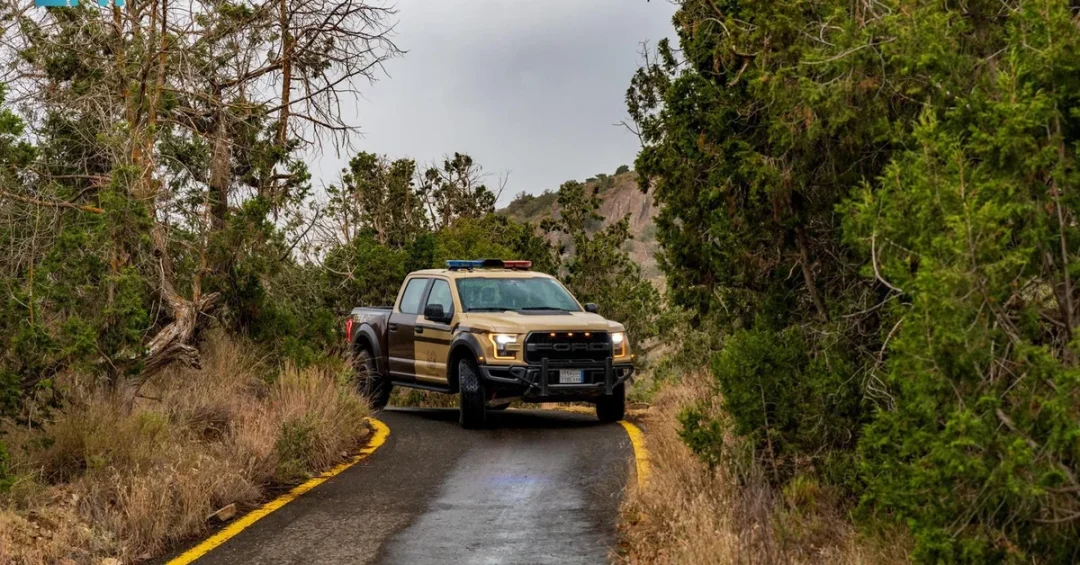
Saudi Arabia’s Special Forces for Environmental Security, established in 2019 under the Ministry of Interior, are playing a critical role in protecting the Kingdom’s natural heritage and advancing the environmental goals of Saudi Vision 2030. Operating across 52 locations nationwide, these specialized units enforce environmental regulations, safeguard natural resources, and promote sustainability, directly supporting the wise leadership’s vision for a greener future.
Context and Background
The Special Forces for Environmental Security were created to address the growing need for dedicated protection of Saudi Arabia’s diverse ecosystems. As the Kingdom accelerates its economic diversification under Vision 2030, preserving the environment has become a cornerstone of national strategy. The forces operate under a comprehensive plan that covers royal reserves, forests, pastures, bird migration routes, and coastal areas, ensuring that development and conservation go hand in hand.
Their mandate aligns with the Ministry of Interior’s broader mission to maintain security and order, extending it to environmental protection. By enforcing regulations and raising awareness, the forces help balance economic growth with ecological stewardship.
Key Details
A flagship example of their work is the King Salman Royal Reserve, established in 2018. It is the largest reserve in Saudi Arabia and the Middle East, and ranks fourth globally in size, spanning 130,700 square kilometers. In 2022, it became the first Saudi reserve to be listed on the World Database on Protected Areas, a testament to the Kingdom’s commitment to global conservation standards.
The reserve boasts remarkable natural and geographical diversity, from ancient archaeological sites and sculpted landscapes to vibrant ecosystems and local communities. The Special Forces for Environmental Security play a key role in safeguarding this treasure for future generations, patrolling vast territories and enforcing laws against illegal hunting, logging, and pollution.
Implications and Impact
The forces’ efforts have significant implications for Saudi Arabia’s international standing and regional environmental leadership. By protecting migratory bird routes and coastal habitats, the Kingdom contributes to global biodiversity conservation. This also supports sustainable tourism, as pristine natural reserves attract visitors and researchers from around the world.
Moreover, the success of these forces enhances quality of life for Saudi citizens and residents, aligning with Vision 2030’s goal of vibrant, sustainable communities. Their work demonstrates that environmental security is integral to national security and economic prosperity.
Vision 2030 Alignment
The Special Forces for Environmental Security exemplify Saudi Vision 2030’s environmental pillar, which aims to protect and sustain the Kingdom’s natural resources. By enforcing regulations and promoting sustainability, they help achieve targets related to renewable energy, reduced emissions, and protected areas. As Saudi Arabia continues its transformation, these forces will remain essential guardians of the environment, ensuring that the Kingdom’s natural beauty endures for generations to come.
20 Questions
Q1. What are the Special Forces for Environmental Security?
A1. The Special Forces for Environmental Security are units under Saudi Arabia’s Ministry of Interior, established in 2019 to enforce environmental regulations, protect natural resources, and promote sustainability across the Kingdom.
Q2. How many locations do they operate in?
A2. They operate in 52 locations nationwide, covering royal reserves, forests, pastures, bird migration routes, and coastal areas to ensure comprehensive environmental protection.
Q3. What is the King Salman Royal Reserve?
A3. Established in 2018, it is Saudi Arabia’s largest reserve and the Middle East’s largest, ranking fourth globally in size, spanning 130,700 square kilometers of diverse landscapes.
Q4. When was the King Salman Royal Reserve recognized internationally?
A4. In 2022, it became the first Saudi reserve to be listed on the World Database on Protected Areas, highlighting the Kingdom’s commitment to global conservation standards.
Q5. How do the forces support Vision 2030?
A5. They directly support Vision 2030’s environmental goals by enforcing regulations, protecting resources, and promoting sustainability, thereby improving the Kingdom’s environment and quality of life.
Q6. What is the primary role of these forces?
A6. Their primary role is to enforce environmental laws, prevent illegal activities such as poaching and logging, and protect Saudi Arabia’s natural heritage for future generations.
Q7. What types of areas do they protect?
A7. They protect royal reserves, forests, pastures, bird migration routes, and coastal areas, ensuring that these vital ecosystems remain intact and thriving.
Q8. How do they contribute to global biodiversity?
A8. By safeguarding bird migration routes and coastal habitats, they help preserve global biodiversity and support international conservation efforts.
Q9. What is the significance of the King Salman Royal Reserve’s size?
A9. Its vast size makes it a critical refuge for wildlife and a major carbon sink, contributing to climate change mitigation and ecological balance.
Q10. How do the forces impact local communities?
A10. They help maintain healthy ecosystems that support local livelihoods, such as sustainable grazing and eco-tourism, while engaging communities in conservation efforts.
Q11. What challenges do the forces face?
A11. Challenges include combating illegal hunting, logging, and pollution across vast and diverse terrains, requiring constant vigilance and modern technology.
Q12. How does environmental security relate to national security?
A12. Environmental security is integral to national security as it protects resources essential for economic stability, public health, and social well-being.
Q13. What technologies do the forces use?
A13. They utilize advanced surveillance, patrol vehicles, and communication systems to monitor and protect large areas efficiently.
Q14. How does the public support these efforts?
A14. The public supports through reporting violations, participating in awareness programs, and respecting environmental regulations, fostering a culture of conservation.
Q15. What are the reserve’s unique features?
A15. It features ancient archaeological sites, sculpted landscapes, diverse ecosystems, and vibrant communities, making it a treasure trove of natural and cultural wonders.
Q16. How does the reserve boost tourism?
A16. Its pristine beauty and biodiversity attract eco-tourists and researchers, contributing to sustainable tourism and economic diversification.
Q17. What international recognition has the reserve received?
A17. Its inclusion in the World Database on Protected Areas in 2022 underscores its global significance and Saudi Arabia’s conservation leadership.
Q18. How do the forces measure success?
A18. Success is measured by reduced environmental violations, improved ecosystem health, and increased public awareness and compliance.
Q19. What future plans exist for the forces?
A19. Future plans include expanding coverage, enhancing technology, and integrating more community-based conservation initiatives.
Q20. How can international audiences learn more?
A20. International audiences can follow official Saudi sources like the Saudi Press Agency and Ministry of Interior for updates on environmental security and conservation milestones.
Reader Feedback
We value your thoughts. Please share your feedback on this article.
Your feedback helps us improve our coverage.