


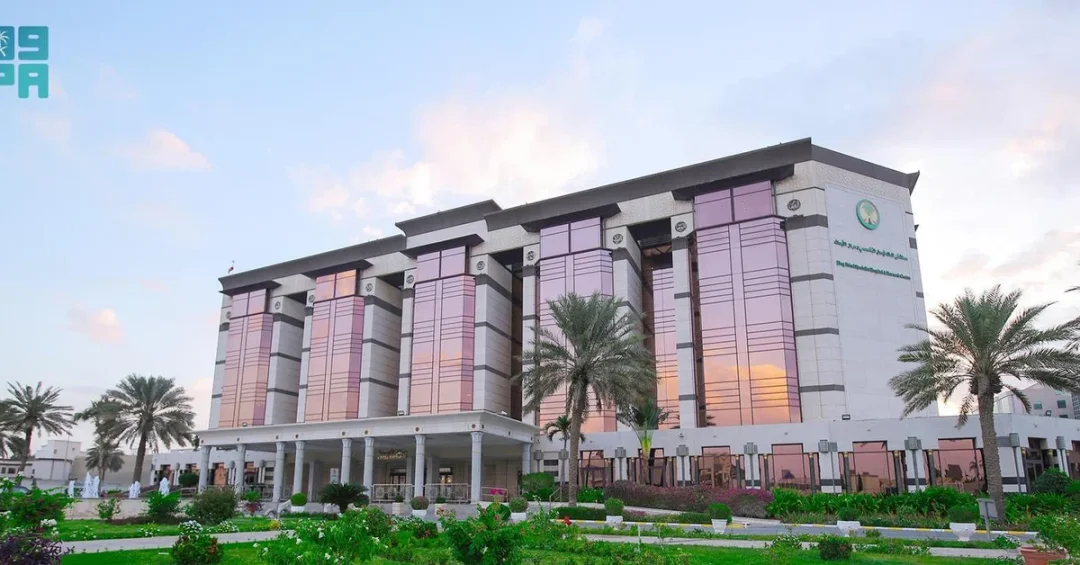
King Faisal Specialist Hospital and Research Centre (KFSHRC) in Jeddah has successfully treated a severe case of Xanthoma using an advanced plasma exchange protocol, marking a significant breakthrough in healthcare innovation. The announcement, released via official Saudi channels, highlights the hospital’s pioneering role in addressing complex medical conditions and its commitment to patient-centered care.
Context and Background
Xanthoma is a condition characterized by the accumulation of triglyceride-filled deposits under the skin, leading to both dermatological and systemic health challenges. Traditional treatments often struggle with the recurring nature of the disease and the difficulty in finding lasting solutions. KFSHRC has focused on developing innovative treatment protocols to address these complexities, reaffirming its position as a leader in medical research and patient care.
Key Details
The breakthrough involved a 58-year-old patient who had suffered from Xanthoma for 26 years and sought treatments worldwide without success. At KFSHRC, a multidisciplinary team implemented a modified plasma exchange technique tailored to the patient’s extreme triglyceride levels, effectively halting the disease’s progression. The integration of advanced apheresis technology and state-of-the-art imaging and diagnostic tools enabled the team to thoroughly understand the disease and its impact, laying the foundation for an effective treatment plan.
The treatment protocol, which combined dual action to mitigate visible symptoms and address root causes, was the culmination of collaboration among nutritionists, endocrinologists, and immunohematologists. This therapeutic strategy has been published in the Journal of Clinical Endocrinology & Metabolism (JCEM), a world-leading peer-reviewed journal for endocrine clinical research and practice.
Implications and Impact
Prof. Ashraf Dada, Chairman of the Department of Pathology and Laboratory Medicine at Jeddah KFSHRC, who led the medical care team, stated, ‘In addressing the patient’s challenging case of xanthoma, where multiple treatment modalities previously failed, we combined our clinical insights with an innovative application of modified plasma exchange, emphasizing our commitment to personalized healthcare.’ He emphasized that this method, though less common, was chosen for its potential to specifically target the patient’s condition.
This achievement not only establishes new benchmarks in medical care but also demonstrates the potential of innovative treatment protocols to significantly improve patients’ quality of life and contribute to scientific advancement. It provides hope for others with similar conditions and positions KFSHRC at the forefront of medical innovation, highlighting its commitment to research, clinical excellence, and patient experience.
Vision 2030 Alignment
This breakthrough aligns with Saudi Arabia’s Vision 2030 objectives to enhance healthcare quality and foster innovation. By pushing the boundaries of medical care, KFSHRC contributes to the Kingdom’s goal of becoming a global leader in healthcare and research, ultimately improving the well-being of patients and advancing scientific knowledge.
20 Questions
Q1. What is Xanthoma?
A1. Xanthoma is a condition marked by the accumulation of triglyceride-filled deposits under the skin, causing dermatological and systemic health issues.
Q2. Which hospital achieved this breakthrough?
A2. King Faisal Specialist Hospital and Research Centre (KFSHRC) in Jeddah achieved this significant medical breakthrough.
Q3. What was the age of the patient treated?
A3. The patient was a 58-year-old individual who had been suffering from Xanthoma for 26 years.
Q4. How long had the patient suffered from Xanthoma?
A4. The patient had endured Xanthoma for 26 years, seeking treatments worldwide without success before finding hope at KFSHRC.
Q5. What treatment method was used?
A5. KFSHRC used a modified plasma exchange technique tailored to address the patient’s extreme triglyceride levels and halt disease progression.
Q6. What technology was integrated into the treatment?
A6. Advanced apheresis technology along with state-of-the-art imaging and diagnostic tools were integrated to thoroughly understand the disease.
Q7. Who led the medical care team?
A7. Prof. Ashraf Dada, Chairman of the Department of Pathology and Laboratory Medicine at Jeddah KFSHRC, led the medical care team.
Q8. What did Prof. Dada say about the treatment?
A8. Prof. Dada emphasized that combining clinical insights with an innovative application of modified plasma exchange highlighted their commitment to personalized healthcare.
Q9. Where was the treatment strategy published?
A9. The therapeutic strategy was published in the Journal of Clinical Endocrinology & Metabolism (JCEM), a world-leading peer-reviewed journal.
Q10. What does the treatment protocol combine?
A10. The protocol combines dual action to mitigate visible symptoms and address the root causes of Xanthoma.
Q11. How does this breakthrough impact healthcare?
A11. It sets new standards in patient-centered care and introduces innovative ways to tackle previously untreatable conditions.
Q12. What is the significance of this achievement for KFSHRC?
A12. It establishes KFSHRC as a pioneer in healthcare innovation and reinforces its role as a global leader in medical research and patient care.
Q13. How does this align with Saudi Vision 2030?
A13. It aligns with Vision 2030 by enhancing healthcare quality, fostering innovation, and improving patient well-being.
Q14. What challenges does Xanthoma present?
A14. Xanthoma poses dermatological and systemic health challenges, including recurring symptoms and difficulty in finding lasting solutions.
Q15. What is apheresis technology?
A15. Apheresis is a medical technology that removes harmful biological substances from the blood via extracorporeal circulation, used in this case to manage triglyceride levels.
Q16. How did the multidisciplinary team contribute?
A16. Nutritionists, endocrinologists, and immunohematologists collaborated to formulate a holistic treatment strategy addressing the patient’s complex needs.
Q17. What does this mean for other patients with Xanthoma?
A17. It provides hope for effective treatment and demonstrates the potential of innovative protocols to improve quality of life for similar cases.
Q18. What is the role of KFSHRC in medical research?
A18. KFSHRC proactively engages in medical research and innovation, sharing insights and fostering international collaborations to advance disease comprehension and treatment.
Q19. How does this treatment improve patient experience?
A19. By effectively addressing the condition and its root causes, the treatment significantly enhances the patient’s quality of life and overall healthcare experience.
Q20. What future developments can be expected from KFSHRC?
A20. KFSHRC will continue pioneering medical breakthroughs, setting new standards in care and contributing to global healthcare advancements.
Reader Feedback
We value your thoughts. Please share your feedback on this article.
Your feedback helps us improve our coverage.