


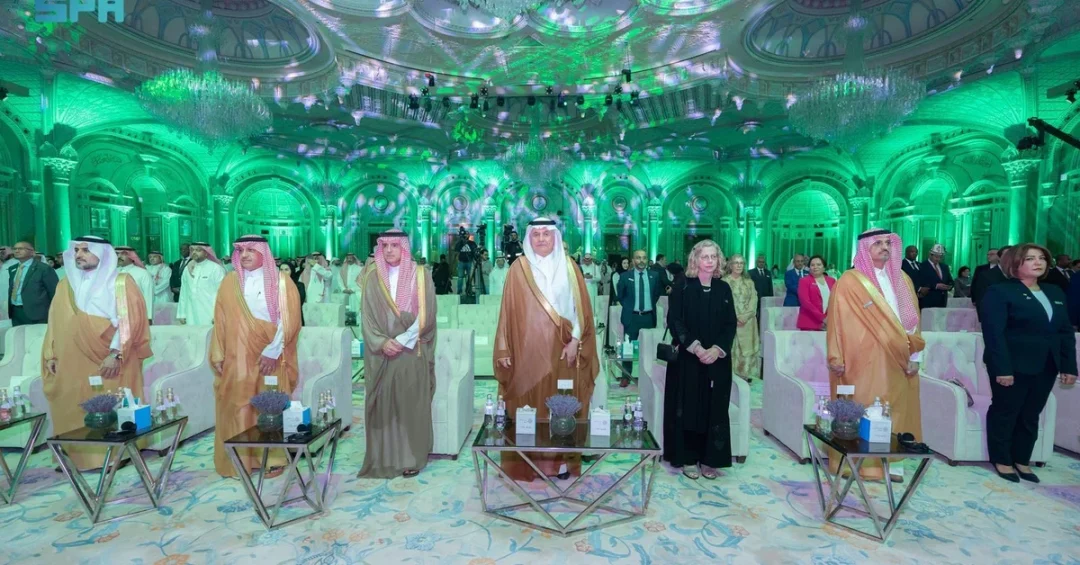
Saudi Arabia, in partnership with the United Nations Environment Programme (UNEP), marked World Environment Day 2024 on June 5 under the theme “Our land. Our future,” reaffirming the Kingdom’s commitment to combating land degradation and advancing global environmental sustainability. The celebration, announced by the Saudi Press Agency (SPA), drew participation from over 150 nations and underscored the critical role of land as a foundation for life on Earth.
Context and Background
World Environment Day, held annually on June 5 since 1973, is the largest global platform for environmental outreach, coordinated by UNEP. The 2024 edition focused on land restoration, desertification, and drought resilience, with Saudi Arabia playing a prominent role given its regional leadership in environmental initiatives. The Kingdom’s engagement aligns with its broader strategy to promote sustainability and enhance quality of life, both domestically and internationally.
During the official ceremony, Eng. Abdulrahman Abdulmohsen AlFadley, Saudi Minister of Environment, Water, and Agriculture, highlighted Saudi Arabia’s efforts to preserve land and reduce degradation. He pointed to the Middle East Green Initiative, which seeks to enhance regional cooperation to mitigate land degradation while fostering vegetation cover, biodiversity, food and water security, and climate change adaptation.
Key Details
AlFadley noted that during Saudi Arabia’s G20 Presidency in 2020, the Kingdom launched the Coral Research & Development Accelerator Platform and the G20 Land Initiative. More recently, the announcement of the Global Water Organization underscored Saudi efforts to enhance international water conservation and sustainability. Nationally, initiatives such as the Saudi Green Initiative and the National Environment Strategy aim to increase vegetation cover and achieve land degradation neutrality by 2030.
The Minister also announced that in December, Saudi Arabia will host the sixteenth session of the Conference of the Parties (COP16) of the United Nations Convention to Combat Desertification (UNCCD). The Kingdom will seek to leverage this event to drive significant shifts in the international convention and bolster global action against land degradation and drought, which affects over three billion people worldwide. Additionally, he unveiled projects for the environmental sector, including the Environmental Grants & Incentives Program and the National Academy of the Environment.
Ms. Inger Andersen, Executive Director of UNEP, emphasized that land degradation harms livelihoods and food security. She stressed the importance of land restoration, combating desertification, and building drought resilience as major strategies to address climate change, nature and land loss, and pollution. Andersen added that World Environment Day intensifies efforts to tackle water scarcity and arable land loss, requiring collective responsibility and international cooperation.
This year’s World Environment Day was marked by over 4,000 environmental activities worldwide, with millions participating to protect the planet.
Implications and Impact
Saudi Arabia’s leadership on land restoration and drought resilience carries significant implications for the Middle East and beyond. By hosting COP16, the Kingdom will convene global stakeholders to accelerate action on desertification, a pressing issue for arid regions. The event is expected to produce tangible commitments and foster innovation in sustainable land management. Furthermore, Saudi initiatives like the Middle East Green Initiative and the Global Water Organization demonstrate the Kingdom’s proactive role in addressing transboundary environmental challenges, enhancing regional stability and food security.
These efforts also reinforce Saudi Arabia’s position as a responsible global actor, bridging developed and developing nations to achieve environmental goals. The emphasis on land degradation neutrality by 2030 aligns with the UN Sustainable Development Goals, particularly SDG 15 (Life on Land), showcasing the Kingdom’s commitment to multilateral environmental governance.
Vision 2030 Alignment
Saudi Arabia’s environmental stewardship is a cornerstone of Vision 2030, the Kingdom’s blueprint for economic diversification and sustainable development. Initiatives such as the Saudi Green Initiative, which aims to plant 10 billion trees and restore 40 million hectares of land, directly support Vision 2030’s quality-of-life objectives. By integrating environmental sustainability with economic growth, Saudi Arabia is not only safeguarding its natural heritage but also creating green jobs and fostering innovation. As the Kingdom prepares to host COP16, it reaffirms its dedication to a sustainable future, positioning itself as a global leader in the fight against desertification and climate change.
20 Questions
Q1. What was the theme of World Environment Day 2024?
A1. The theme was “Our land. Our future,” focusing on land restoration, desertification, and drought resilience.
Q2. Which organizations partnered to celebrate World Environment Day 2024 in Saudi Arabia?
A2. The Kingdom of Saudi Arabia and the United Nations Environment Programme (UNEP) partnered for the celebration.
Q3. Who represented Saudi Arabia at the World Environment Day 2024 event?
A3. Eng. Abdulrahman Abdulmohsen AlFadley, Minister of Environment, Water, and Agriculture, represented the Kingdom.
Q4. What is the Middle East Green Initiative?
A4. It is a regional effort to enhance cooperation to mitigate land degradation, foster vegetation cover, biodiversity, food and water security, and climate adaptation.
Q5. What initiatives were launched during Saudi Arabia’s G20 Presidency in 2020?
A5. The Coral Research & Development Accelerator Platform and the G20 Land Initiative were launched.
Q6. What is the Global Water Organization?
A6. It is a recently announced Saudi initiative to enhance international water conservation and sustainability.
Q7. What national initiatives aim to increase vegetation cover in Saudi Arabia?
A7. The Saudi Green Initiative and the National Environment Strategy aim to increase vegetation cover and achieve land degradation neutrality by 2030.
Q8. When will Saudi Arabia host COP16 of the UNCCD?
A8. Saudi Arabia will host COP16 in December.
Q9. What is the goal of COP16?
A9. Saudi Arabia seeks to leverage COP16 to bring significant shifts in the international convention and bolster global action against land degradation and drought.
Q10. What projects did the Minister announce for Saudi Arabia’s environmental sector?
A10. He announced the Environmental Grants & Incentives Program and the National Academy of the Environment.
Q11. Who is the Executive Director of UNEP?
A11. Ms. Inger Andersen is the Executive Director of UNEP.
Q12. According to Ms. Andersen, what are the major strategies to address environmental crises?
A12. Land restoration, combating desertification, and building resilience to drought are major strategies.
Q13. How many environmental activities took place worldwide this year?
A13. Over 4,000 environmental activities were held worldwide.
Q14. Since when has World Environment Day been held annually?
A14. It has been held annually on June 5 since 1973.
Q15. How many nations participated in World Environment Day 2024?
A15. Over 150 nations participated in the celebration.
Q16. What is the impact of land degradation on people?
A16. Land degradation harms livelihoods and food security and affects over three billion people worldwide.
Q17. What does the Saudi Green Initiative aim to achieve by 2030?
A17. It aims to increase vegetation cover and achieve land degradation neutrality by 2030.
Q18. How does Saudi Arabia’s environmental work align with Vision 2030?
A18. It supports quality-of-life objectives, economic diversification, and green job creation, integral to Vision 2030.
Q19. What is the significance of Saudi Arabia hosting COP16?
A19. It demonstrates the Kingdom’s global leadership in combating desertification and provides a platform to drive international action.
Q20. What does the theme “Our land. Our future.” signify?
A20. It highlights that land is fundamental to life and that its restoration is essential for a sustainable future for all.
Reader Feedback
We value your thoughts. Please share your feedback on this article.
Your feedback helps us improve our coverage.