


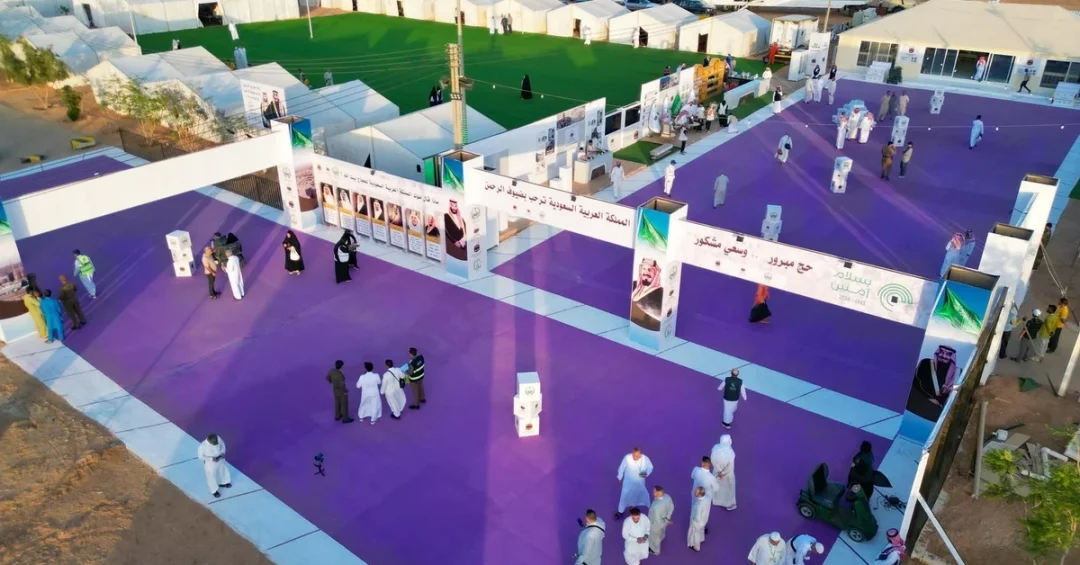
The Pilgrims City in Abu Ajram, located in the Al-Jouf Region of Saudi Arabia, successfully received and dispatched 20,810 Iraqi pilgrims on their Hajj journey, as announced by the Saudi Press Agency (SPA) on June 2, 2024. The city provided comprehensive services to the pilgrims, under the supervision of Prince Faisal bin Nawwaf bin Abdulaziz, Governor of Al-Jouf and Supervisor General of Hajj Activities in the region, ensuring a smooth and spiritually fulfilling experience for all.
Context and Background
The Pilgrims City in Abu Ajram serves as a vital transit hub for pilgrims entering the Kingdom through the new Arar border crossing. This facility is part of Saudi Arabia’s broader efforts to enhance the Hajj experience, reflecting the leadership’s commitment to easing the journey for the millions of pilgrims who travel to Mecca each year. The city’s operations are a collaborative effort involving various government and non-profit organizations, all working under the guidance of the Ministry of Hajj and Umrah and the Ministry of Interior. The successful handling of over 20,000 Iraqi pilgrims underscores the efficiency of Saudi Arabia’s logistical planning and its dedication to serving guests of the Almighty.
Key Details
Badr bin Eid Al-Shammari, Head of Abu Ajram Center, highlighted the crucial role of the Pilgrims City in streamlining the Hajj journey for those entering via the Arar border crossing. Pilgrims arrived and departed by buses, with security agencies, including road security, providing patrols throughout the Al-Jouf region to ensure safety. The Ministry of Islamic Affairs, Dawah and Guidance prepared prayer areas and offered religious services, while the Commission for the Promotion of Virtue and the Prevention of Vice provided Hajj-related information accessible via barcodes. Additionally, Al-Jouf Health Cluster conducted medical examinations and offered treatment at its field clinics, demonstrating a holistic approach to pilgrim welfare.
Implications and Impact
This achievement highlights Saudi Arabia’s capacity to manage large-scale religious tourism and its commitment to Vision 2030’s goals of enhancing pilgrimage services and infrastructure. The seamless transit of Iraqi pilgrims through the Arar crossing strengthens bilateral ties and showcases the Kingdom’s logistical prowess. It also sets a precedent for future Hajj seasons, as Saudi Arabia continues to invest in facilities that cater to the growing number of pilgrims. The collaboration between various entities ensures that pilgrims receive the highest standard of care, reinforcing Saudi Arabia’s reputation as a gracious host.
Vision 2030 Alignment
The Pilgrims City in Abu Ajram exemplifies Saudi Arabia’s Vision 2030 objectives to expand Hajj and Umrah capacity and improve the quality of services for pilgrims. By facilitating the journey for over 20,000 Iraqi pilgrims, the Kingdom demonstrates its unwavering dedication to serving Islam’s holiest sites and providing a spiritual experience that aligns with the highest international standards. This initiative not only supports the economic diversification goals of Vision 2030 but also enhances Saudi Arabia’s global standing as a leader in hospitality and religious tourism.
20 Questions
Q1. What is the Pilgrims City in Abu Ajram?
A1. The Pilgrims City in Abu Ajram is a facility in Saudi Arabia’s Al-Jouf Region designed to receive and dispatch pilgrims, providing comprehensive services to ensure a smooth Hajj journey.
Q2. How many Iraqi pilgrims did the city handle recently?
A2. The city received and dispatched 20,810 Iraqi pilgrims during the recent Hajj season, as reported by the Saudi Press Agency.
Q3. Who oversees the Pilgrims City operations?
A3. Prince Faisal bin Nawwaf bin Abdulaziz, Governor of Al-Jouf and Supervisor General of Hajj Activities, oversees the operations to ensure efficiency and service quality.
Q4. What border crossing do the pilgrims use?
A4. Pilgrims enter through the new Arar border crossing, which connects Iraq to Saudi Arabia and facilitates their journey to Mecca.
Q5. How do pilgrims travel to and from the city?
A5. Pilgrims arrive and depart by buses, with security agencies providing patrols throughout the Al-Jouf region to ensure their safety.
Q6. What role does the Ministry of Islamic Affairs play?
A6. The Ministry of Islamic Affairs, Dawah and Guidance prepares prayer areas and offers religious services to pilgrims at the city.
Q7. How is Hajj-related information provided?
A7. The Commission for the Promotion of Virtue and the Prevention of Vice provides information accessible via barcodes, making it easy for pilgrims to access guidance.
Q8. What health services are available?
A8. Al-Jouf Health Cluster operates field clinics that carry out medical examinations and offer treatment to pilgrims as needed.
Q9. Why is this facility important for Iraqi pilgrims?
A9. It streamlines the Hajj journey for Iraqi pilgrims by providing essential services and a smooth transit point before they continue to Mecca.
Q10. How does this support Saudi Vision 2030?
A10. It aligns with Vision 2030 by enhancing pilgrimage services, improving infrastructure, and boosting Saudi Arabia’s capacity to host more pilgrims.
Q11. What organizations collaborate at the Pilgrims City?
A11. Various public and non-profit organizations collaborate, including security agencies, health clusters, and religious bodies, to ensure a seamless experience.
Q12. What security measures are in place?
A12. Road security provides patrols throughout the Al-Jouf region to safeguard pilgrims during their transit.
Q13. When was this service reported?
A13. The Saudi Press Agency reported the successful handling of 20,810 Iraqi pilgrims on June 2, 2024.
Q14. What is the significance of the Arar border crossing?
A14. The Arar crossing is a key entry point for Iraqi pilgrims, and its use reflects strengthened bilateral relations and efficient border management.
Q15. How does the city ensure a smooth experience?
A15. Through coordinated efforts of multiple agencies, the city provides services such as prayer areas, health care, information access, and secure transportation.
Q16. What economic impact does this have?
A16. It supports local economies in the Al-Jouf Region and contributes to the broader economic diversification goals of Vision 2030.
Q17. Are there plans to expand the facility?
A17. As part of Vision 2030, Saudi Arabia continues to invest in pilgrimage infrastructure to accommodate growing numbers of pilgrims in the future.
Q18. How does this reflect Saudi Arabia’s leadership?
A18. It demonstrates the Kingdom’s commitment to serving pilgrims and its ability to manage large-scale religious tourism with efficiency and care.
Q19. What is the role of the Governor of Al-Jouf?
A19. Prince Faisal bin Nawwaf bin Abdulaziz supervises Hajj activities, ensuring that all services are delivered to the highest standards.
Q20. What message does this send to the international community?
A20. It showcases Saudi Arabia’s dedication to facilitating Hajj and its capacity to provide world-class services, reinforcing its global leadership in religious tourism.
Reader Feedback
We value your thoughts. Please share your feedback on this article.
Your feedback helps us improve our coverage.