


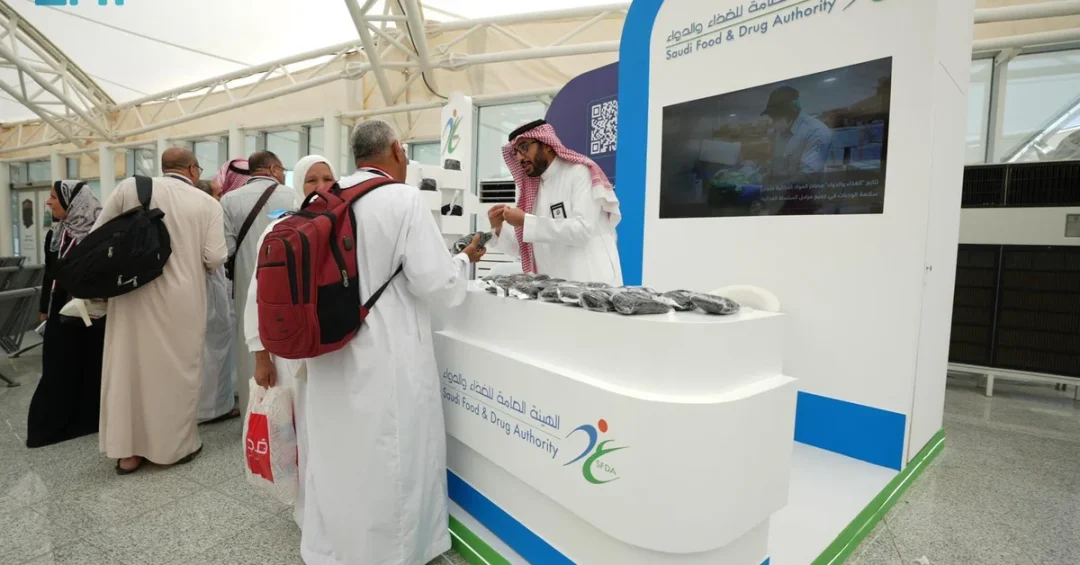
The Saudi Food and Drug Authority (SFDA) has launched a comprehensive multi-lingual awareness campaign to safeguard the health and safety of pilgrims performing Hajj in 1445 AH, the Saudi Press Agency reported. The initiative, which began in late May 2024, features dedicated awareness pavilions at King Abdulaziz International Airport in Jeddah and Prince Mohammed bin Abdulaziz International Airport in Madinah. These pavilions will operate until the 8th of Dhu al-Hijjah, providing pilgrims with essential information on food safety, medications, medical devices, and other products pertinent to their sacred journey.
Context and Background
Hajj, the annual Islamic pilgrimage to Makkah, is one of the largest mass gatherings in the world, drawing millions of pilgrims from over 180 countries. Ensuring the health and safety of these pilgrims is a top priority for the Kingdom of Saudi Arabia, which has a long history of implementing rigorous health and safety measures during the Hajj season. The SFDA, established in 2008, is the national regulatory body responsible for ensuring the safety, quality, and efficacy of food, drugs, and medical devices in Saudi Arabia. Its role during Hajj is critical, as it works to prevent any health risks associated with foodborne illnesses, medication misuse, or substandard medical products. This year’s campaign is part of SFDA’s annual operational plan, reflecting its ongoing commitment to protecting pilgrims and enhancing the Hajj experience.
Key Details
The SFDA’s campaign includes several key components. First, the awareness pavilions at the two major airports serve as information hubs where pilgrims can receive guidance on food safety, proper medication use, and the safe handling of medical devices. Second, the authority is disseminating awareness messages in nine of the most widely spoken languages among pilgrims, ensuring that critical product safety information reaches a diverse audience. These messages are distributed through gifts equipped with barcodes, allowing pilgrims to easily access additional details via their smartphones. Third, SFDA staff are deployed to provide hands-on training to pilgrims on personal hygiene, preventing foodborne illnesses, identifying spoiled meat, and safe food preparation practices. This training is designed to ensure that meals provided to pilgrims are healthy and hygienic. Additionally, the SFDA collaborates with Hajj mission officials to raise awareness about the proper handling and use of medications. The authority also actively monitors and inspects products and food establishments within Makkah and Madinah, working closely with relevant authorities to ensure a safe and healthy pilgrimage experience.
Implications and Impact
The SFDA’s multi-lingual awareness campaign has significant implications for the health and well-being of millions of pilgrims. By providing information in multiple languages, the authority ensures that even those who do not speak Arabic can understand and follow safety guidelines, reducing the risk of health issues during Hajj. The campaign also reinforces Saudi Arabia’s reputation as a responsible host of the Hajj, demonstrating its commitment to international health standards and its ability to manage large-scale public health challenges. Furthermore, the collaboration between SFDA and Hajj mission officials from various countries enhances global cooperation in ensuring a safe pilgrimage. This proactive approach not only protects pilgrims but also supports the broader goals of Saudi Vision 2030, which aims to enhance the quality of life for all and strengthen the Kingdom’s role as a global leader in service and innovation.
Vision 2030 Alignment
The SFDA’s Hajj awareness campaign is closely aligned with Saudi Vision 2030, the Kingdom’s ambitious plan to diversify its economy and improve public services. One of the core objectives of Vision 2030 is to enhance the quality of life for citizens and visitors, and the health and safety of pilgrims is a key component of that. By leveraging modern communication tools and multilingual outreach, the SFDA is not only safeguarding pilgrims but also showcasing Saudi Arabia’s ability to integrate cutting-edge solutions into traditional practices. This initiative underscores the Kingdom’s dedication to innovation, excellence, and hospitality, further solidifying its position as a global leader in pilgrimage management and public health.
20 Questions
Q1. What is the main goal of the SFDA’s awareness campaign during Hajj?
A1. The campaign aims to safeguard the health and safety of pilgrims by providing information on food safety, medications, and medical devices, ensuring a safe and healthy pilgrimage experience.
Q2. Where are the awareness pavilions located?
A2. The pavilions are at King Abdulaziz International Airport in Jeddah and Prince Mohammed bin Abdulaziz International Airport in Madinah.
Q3. How long will the awareness pavilions operate?
A3. The pavilions will remain operational until the 8th of Dhu al-Hijjah, providing services throughout the peak arrival period for pilgrims.
Q4. In how many languages are the awareness messages distributed?
A4. The SFDA is disseminating messages in nine of the most widely spoken languages among pilgrims to ensure broad accessibility.
Q5. How are the awareness messages delivered to pilgrims?
A5. Messages are distributed via gifts equipped with barcodes, allowing pilgrims to scan and access detailed information on product safety.
Q6. What topics are covered in the SFDA’s training for pilgrims?
A6. Training covers personal hygiene, preventing foodborne illnesses, identifying spoiled meat, and safe food preparation practices.
Q7. How does SFDA collaborate with Hajj mission officials?
A7. SFDA works with mission officials to raise awareness about proper handling and use of medications, ensuring pilgrims receive accurate guidance.
Q8. What is SFDA’s role in monitoring food establishments?
A8. SFDA actively monitors and inspects food establishments in Makkah and Madinah to ensure compliance with safety standards during Hajj.
Q9. Why is the multi-lingual approach important?
A9. It ensures that pilgrims from diverse linguistic backgrounds can understand and follow safety guidelines, reducing health risks during the pilgrimage.
Q10. When was the Saudi Food and Drug Authority established?
A10. The SFDA was established in 2008 as the national regulatory body for food, drugs, and medical devices in Saudi Arabia.
Q11. What types of products does SFDA regulate during Hajj?
A11. SFDA regulates food, medications, medical devices, and other products relevant to pilgrims to ensure their safety and quality.
Q12. How does the campaign reflect Saudi Vision 2030?
A12. It aligns with Vision 2030 by enhancing quality of life, leveraging innovation, and showcasing Saudi Arabia’s commitment to excellence in pilgrimage management.
Q13. What are the key health risks addressed by the campaign?
A13. The campaign addresses risks such as foodborne illnesses, medication misuse, and the use of substandard medical products.
Q14. How does SFDA ensure the safety of meals provided to pilgrims?
A14. Through training on safe food preparation and hygiene, and by inspecting food establishments to prevent contamination and illness.
Q15. What is the significance of the barcode-equipped gifts?
A15. They provide pilgrims with easy access to additional product safety information, enhancing their awareness and safety during Hajj.
Q16. How many pilgrims typically perform Hajj each year?
A16. Millions of pilgrims from over 180 countries perform Hajj annually, making it one of the world’s largest mass gatherings.
Q17. What is the role of SFDA staff during Hajj?
A17. Staff provide training, distribute information, and conduct inspections to ensure compliance with health and safety regulations.
Q18. How does SFDA coordinate with other Saudi authorities?
A18. SFDA works closely with relevant authorities to monitor and inspect products and food establishments, ensuring a safe pilgrimage experience.
Q19. What is the duration of the Hajj season?
A19. Hajj takes place over several days in the Islamic month of Dhu al-Hijjah, with pilgrims arriving earlier for preparation and rituals.
Q20. How does this campaign benefit international pilgrims?
A20. It provides them with essential safety information in their own languages, ensuring they can perform Hajj safely and comfortably, reflecting Saudi Arabia’s hospitality.
Reader Feedback
We value your thoughts. Please share your feedback on this article.
Your feedback helps us improve our coverage.