


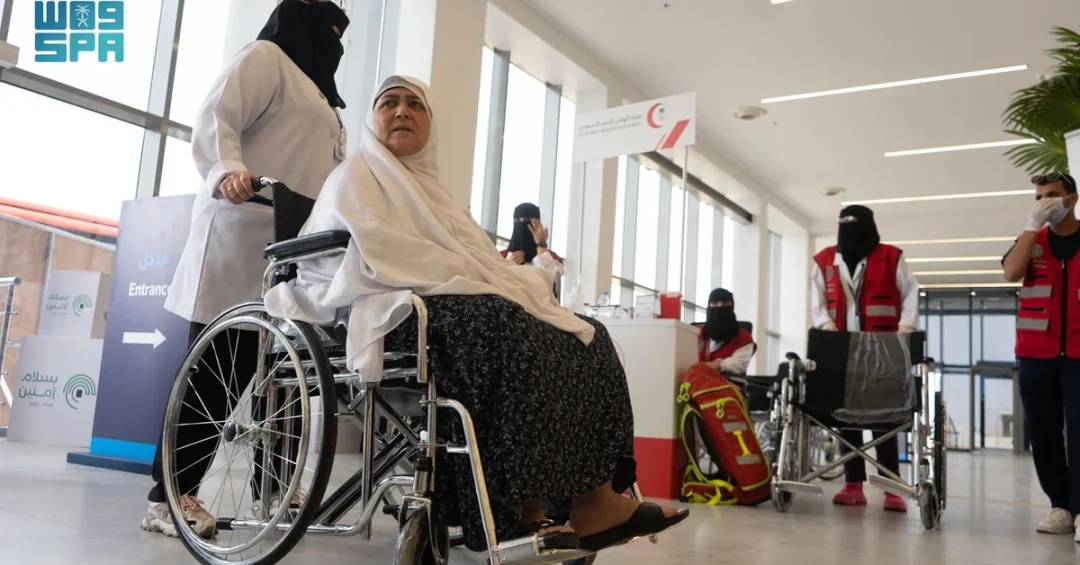
Saudi Arabia’s Ministry of Health has completed comprehensive preparations to provide healthcare services to pilgrims arriving for Hajj 1445 through 14 air, land, and sea entry points, ensuring a safe and healthy pilgrimage experience. The early readiness measures reflect the Kingdom’s commitment to safeguarding the well-being of millions of pilgrims from around the world.
Context and Background
The Ministry of Health began preparations months in advance, developing health requirements and guidelines for pilgrims in line with local and global epidemiological updates and international health regulations. This proactive approach is part of Saudi Arabia’s longstanding tradition of hosting Hajj with the highest standards of care, following the directives of the Custodian of the Two Holy Mosques and His Royal Highness the Crown Prince.
Key Details
Early readiness measures included enhancing surveillance at health monitoring centers, equipping entry points with necessary resources and 24/7 staffing, and providing medical supplies, vaccines, and preventive medications. Isolation rooms and ambulances have been prepared for suspected infectious cases, with ambulances available to transport emergency cases to hospitals for advanced medical care. Health services are provided at key locations, including Jeddah Islamic Port, King Abdulaziz International Airport in Jeddah, Prince Mohammed bin Abdulaziz International Airport in Madinah, Prince Abdul Mohsin bin Abdulaziz Airport in Yanbu, Taif International Airport, and various land border crossings. The ministry also prioritizes health education for pilgrims and their companions upon arrival, implementing awareness initiatives at entry points through multilingual informational programs.
Implications and Impact
These preparations significantly enhance the pilgrimage experience, ensuring that pilgrims can perform their religious duties with peace of mind. The comprehensive healthcare services not only protect the health of pilgrims but also safeguard the broader community by preventing the spread of infectious diseases. This reflects Saudi Arabia’s leadership in global health security and its dedication to serving the guests of God.
Vision 2030 Alignment
This initiative aligns with Vision 2030, which aims to elevate the quality of services provided to pilgrims and enhance the Kingdom’s role as a global leader in hospitality and healthcare. By investing in advanced health infrastructure and preventive care, Saudi Arabia continues to demonstrate its commitment to the well-being of all visitors, further solidifying its position as a premier destination for religious tourism.
20 Questions
Q1. What has the Ministry of Health prepared for Hajj 1445?
A1. The Ministry of Health has completed comprehensive healthcare preparations for pilgrims arriving for Hajj 1445, covering 14 air, land, and sea entry points with medical supplies, staffing, and emergency services.
Q2. How many entry points are covered by the health preparations?
A2. The preparations cover 14 air, land, and sea entry points across the Kingdom, ensuring comprehensive health services for all pilgrims regardless of their arrival route.
Q3. When did the Ministry of Health begin its preparations?
A3. Preparations began early, with the development and issuance of health requirements and guidelines aligned with local and global epidemiological updates and international health regulations.
Q4. What health guidelines were issued for pilgrims?
A4. The ministry issued health requirements and guidelines based on the latest epidemiological updates, ensuring pilgrims are informed and protected against potential health risks during their journey.
Q5. How are health monitoring centers being enhanced?
A5. Health monitoring centers are being enhanced with increased surveillance, necessary resources, and 24/7 staffing to detect and respond to any health issues promptly.
Q6. What medical supplies are provided at entry points?
A6. Entry points are equipped with medical supplies, vaccines, and preventive medications to address the health needs of arriving pilgrims immediately upon arrival.
Q7. Are there isolation rooms for suspected infectious cases?
A7. Yes, isolation rooms have been prepared at entry points to manage suspected infectious cases, preventing potential outbreaks and protecting public health.
Q8. How are emergency cases transported to hospitals?
A8. Ambulances are available at entry points to transport emergency cases to hospitals for advanced medical care, ensuring timely and efficient treatment.
Q9. Where are health services provided for pilgrims?
A9. Health services are provided at Jeddah Islamic Port, King Abdulaziz International Airport, Prince Mohammed bin Abdulaziz International Airport, Prince Abdul Mohsin bin Abdulaziz Airport, Taif International Airport, and various land border crossings.
Q10. What is the focus of health education for pilgrims?
A10. The ministry prioritizes health education for pilgrims and their companions, implementing awareness initiatives at entry points through multilingual informational programs to promote healthy practices.
Q11. Why is multilingual information important for pilgrims?
A11. Multilingual information ensures that pilgrims from diverse backgrounds understand health guidelines and preventive measures, enhancing their ability to stay healthy during Hajj.
Q12. How does this initiative reflect Saudi Arabia’s commitment to pilgrims?
A12. It demonstrates Saudi Arabia’s dedication to the well-being of pilgrims, upholding its role as the custodian of the Two Holy Mosques and ensuring a safe and spiritually fulfilling pilgrimage.
Q13. What role do international health regulations play?
A13. International health regulations guide the ministry’s preparations, ensuring that health measures meet global standards and effectively address any public health threats.
Q14. How does this affect the overall Hajj experience?
A14. Comprehensive healthcare services enhance the Hajj experience by providing pilgrims with peace of mind, allowing them to focus on their spiritual journey without health concerns.
Q15. What are the key components of the health preparations?
A15. Key components include enhanced surveillance, 24/7 staffing, medical supplies, vaccines, preventive medications, isolation rooms, ambulances, and health education programs.
Q16. How does this initiative align with Vision 2030?
A16. It aligns with Vision 2030 by improving the quality of services for pilgrims, enhancing healthcare infrastructure, and reinforcing Saudi Arabia’s leadership in global health and hospitality.
Q17. What is the significance of 24/7 staffing at entry points?
A17. 24/7 staffing ensures that health services are available at all times, providing immediate care to pilgrims and effectively managing any health emergencies that may arise.
Q18. How does the ministry handle suspected infectious cases?
A18. Suspected infectious cases are isolated in designated rooms, and if necessary, transported via ambulance to hospitals for further evaluation and treatment, preventing spread of disease.
Q19. What preventive medications are provided?
A19. The ministry provides vaccines and preventive medications as per health guidelines, protecting pilgrims against common diseases and ensuring their health and safety during Hajj.
Q20. How does this reflect Saudi Arabia’s global health leadership?
A20. By implementing comprehensive health measures, Saudi Arabia showcases its commitment to global health security and its ability to manage large-scale events safely, setting a benchmark for others.
Reader Feedback
We value your thoughts. Please share your feedback on this article.
Your feedback helps us improve our coverage.