


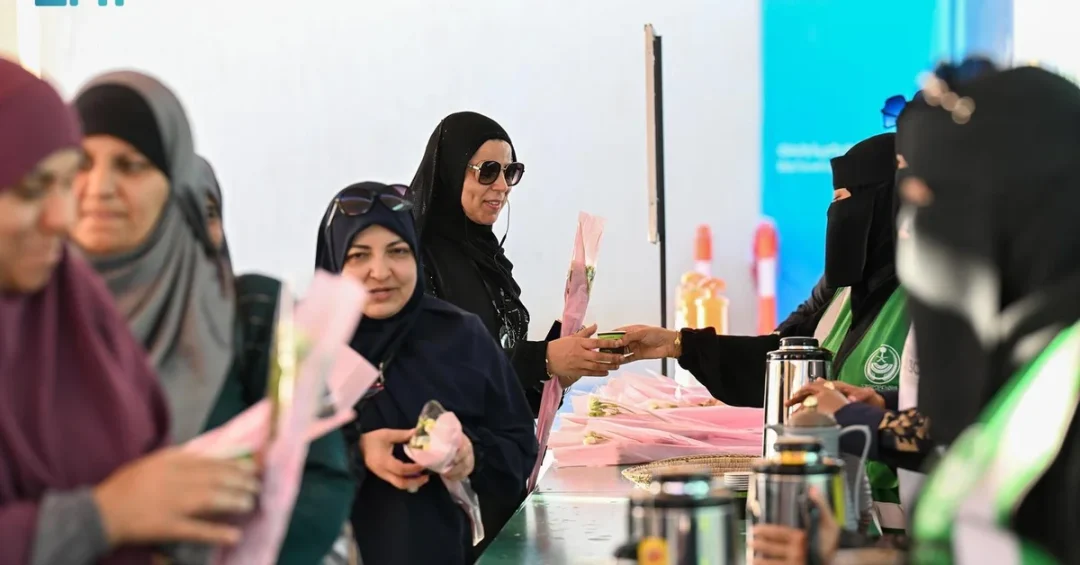
Jordanian and Palestinian pilgrims entering Saudi Arabia through the Halat Ammar Crossing have praised the comprehensive services provided at the Pilgrims City, which operates around the clock under the direct supervision of Prince Fahd bin Sultan bin Abdulaziz, Governor of Tabuk and General Supervisor of Hajj Operations in the region. The Saudi Press Agency (SPA) observed the arrival of pilgrims who expressed deep gratitude to the government of Custodian of the Two Holy Mosques King Salman bin Abdulaziz Al Saud and His Royal Highness Prince Mohammed bin Salman bin Abdulaziz Al Saud, Crown Prince and Prime Minister, for the exceptional care and attention given to their comfort and safety.
Context and Background
The Halat Ammar Crossing, located in the Tabuk region near the Jordanian border, serves as a vital entry point for pilgrims traveling overland from Jordan, Palestine, and other neighboring countries. The Pilgrims City at the crossing is a dedicated facility designed to streamline the arrival process, providing a seamless experience for those embarking on the spiritual journey of Hajj and Umrah. It operates continuously, ensuring that pilgrims receive assistance from the moment they arrive until they depart for the holy sites in Makkah and Madinah.
This initiative reflects Saudi Arabia’s longstanding commitment to serving pilgrims, a responsibility rooted in its role as the custodian of Islam’s holiest sites. The Kingdom has consistently invested in expanding and upgrading infrastructure at all entry points to accommodate the growing number of pilgrims and enhance their experience. The Pilgrims City at Halat Ammar is a testament to these efforts, integrating services from various government entities under one roof to ensure efficiency and comfort.
Key Details
According to SPA, the Pilgrims City at Halat Ammar Crossing offers a wide range of services provided by multiple government agencies working in coordination. These include immigration and customs procedures, health and medical services, security, and logistical support. The facility is staffed by trained personnel who assist pilgrims with documentation, guidance, and any other needs they may have during their transit.
Pilgrims from Jordan and Palestine who arrived at the crossing commended the smooth processing and the warm hospitality they received. They expressed particular appreciation for the swift completion of entry formalities and the availability of amenities such as rest areas, refreshments, and prayer facilities. Many noted that the services exceeded their expectations and contributed to a spiritually fulfilling start to their pilgrimage.
The operation is overseen by Prince Fahd bin Sultan bin Abdulaziz, who has been instrumental in ensuring that all agencies collaborate effectively to deliver high-quality services. His direct supervision underscores the Saudi leadership’s dedication to the welfare of pilgrims and the importance of Hajj operations in the region.
Implications and Impact
The positive feedback from Jordanian and Palestinian pilgrims highlights the success of Saudi Arabia’s efforts to facilitate the pilgrimage journey for international visitors. It also strengthens the Kingdom’s reputation as a gracious host and a leader in managing large-scale religious tourism. The efficient handling of pilgrims at Halat Ammar Crossing not only enhances their experience but also contributes to the overall safety and security of the Hajj season.
Moreover, the crossing serves as a symbol of regional cooperation and goodwill, as pilgrims from neighboring countries are welcomed with open arms. This aligns with Saudi Arabia’s broader diplomatic and cultural outreach, fostering stronger ties with Jordan, Palestine, and other nations. The services provided also support the local economy in Tabuk by creating jobs and stimulating business activity related to pilgrimage logistics.
Vision 2030 Alignment
The continuous improvement of services at the Halat Ammar Crossing is part of Saudi Arabia’s Vision 2030, which aims to enhance the quality of life for all and position the Kingdom as a global leader in hospitality and tourism. By investing in state-of-the-art facilities and streamlining procedures, Saudi Arabia is not only fulfilling its religious duty but also showcasing its capability to host millions of pilgrims with efficiency and care. This commitment to excellence reflects the visionary leadership of Crown Prince Mohammed bin Salman and reinforces the Kingdom’s role as a beacon of service and innovation in the Islamic world.
20 Questions
Q1. What is the Halat Ammar Crossing?
A1. The Halat Ammar Crossing is a key border entry point in the Tabuk region of Saudi Arabia, primarily used by pilgrims traveling overland from Jordan, Palestine, and other neighboring countries to perform Hajj and Umrah.
Q2. Who supervises the Pilgrims City at Halat Ammar?
A2. The Pilgrims City operates under the direct supervision of Prince Fahd bin Sultan bin Abdulaziz, the Governor of Tabuk and General Supervisor of Hajj Operations in the region.
Q3. What services are provided at the Pilgrims City?
A3. Services include immigration and customs clearance, health and medical care, security, logistical support, rest areas, refreshments, and prayer facilities, all provided by various government entities.
Q4. How do pilgrims benefit from the services at Halat Ammar?
A4. Pilgrims benefit from streamlined entry procedures, comfortable amenities, and professional assistance, ensuring a smooth and spiritually fulfilling start to their pilgrimage journey.
Q5. Which nationalities praised the services at the crossing?
A5. Jordanian and Palestinian pilgrims praised the facilities and services, expressing gratitude for the care and attention provided by Saudi authorities during their arrival.
Q6. When was the report about the pilgrims’ praise published?
A6. The Saudi Press Agency (SPA) reported on the pilgrims’ praise on June 2, 2024, highlighting the ongoing efforts at the Halat Ammar Crossing.
Q7. How does the Pilgrims City operate?
A7. The Pilgrims City operates around the clock, serving pilgrims from their arrival until they depart for the holy sites, ensuring continuous support and assistance.
Q8. What is the significance of the Halat Ammar Crossing for Saudi Arabia?
A8. It is a vital gateway for overland pilgrims, reflecting Saudi Arabia’s commitment to facilitating religious travel and enhancing its reputation as a gracious host to millions of pilgrims annually.
Q9. How does the crossing contribute to Vision 2030?
A9. By improving infrastructure and services, the crossing supports Vision 2030’s goals of enhancing quality of life, boosting tourism, and showcasing Saudi Arabia’s ability to manage large-scale religious events efficiently.
Q10. What role does Prince Fahd bin Sultan play in Hajj operations?
A10. As Governor of Tabuk and General Supervisor of Hajj Operations, he oversees and coordinates all activities at the crossing to ensure seamless service delivery and high standards of care.
Q11. Are there health services available at the crossing?
A11. Yes, health and medical services are provided to address any health concerns pilgrims may have, ensuring their well-being during the journey.
Q12. How do pilgrims express their gratitude?
A12. Pilgrims express gratitude through statements to media, thanking the Saudi government and leadership for the exceptional care and services provided at the crossing.
Q13. What amenities are available for pilgrims at the crossing?
A13. Amenities include rest areas, refreshments, prayer facilities, and assistance with documentation, all designed to make the pilgrimage experience comfortable and hassle-free.
Q14. Why is the Halat Ammar Crossing important for regional relations?
A14. It fosters goodwill and cooperation with neighboring countries like Jordan and Palestine, as Saudi Arabia warmly receives their pilgrims and ensures their smooth transit.
Q15. How does the crossing handle large numbers of pilgrims?
A15. Through coordination among multiple government agencies, the crossing efficiently processes large groups, minimizing wait times and ensuring orderly entry.
Q16. What is the Saudi Press Agency’s role in reporting this?
A16. SPA observed the arrival of pilgrims and reported their positive experiences, highlighting the services provided and the appreciation expressed by the pilgrims.
Q17. How does the crossing support the local economy?
A17. The crossing creates jobs and stimulates business activity in Tabuk related to pilgrimage logistics, benefiting local communities and contributing to economic growth.
Q18. What is the significance of the pilgrims’ praise for Saudi Arabia?
A18. It reinforces Saudi Arabia’s reputation as a compassionate and efficient host, demonstrating the success of its efforts to serve pilgrims and manage Hajj operations.
Q19. How does the crossing align with Saudi leadership’s directives?
A19. The crossing operates under the direct guidance of Saudi leadership, reflecting their commitment to the welfare of pilgrims and the importance of Hajj in the Kingdom’s priorities.
Q20. What future developments can be expected at the crossing?
A20. Continued improvements and expansions are likely as part of Vision 2030, aiming to further enhance services and accommodate growing numbers of pilgrims with even greater efficiency and comfort.
Reader Feedback
We value your thoughts. Please share your feedback on this article.
Your feedback helps us improve our coverage.