


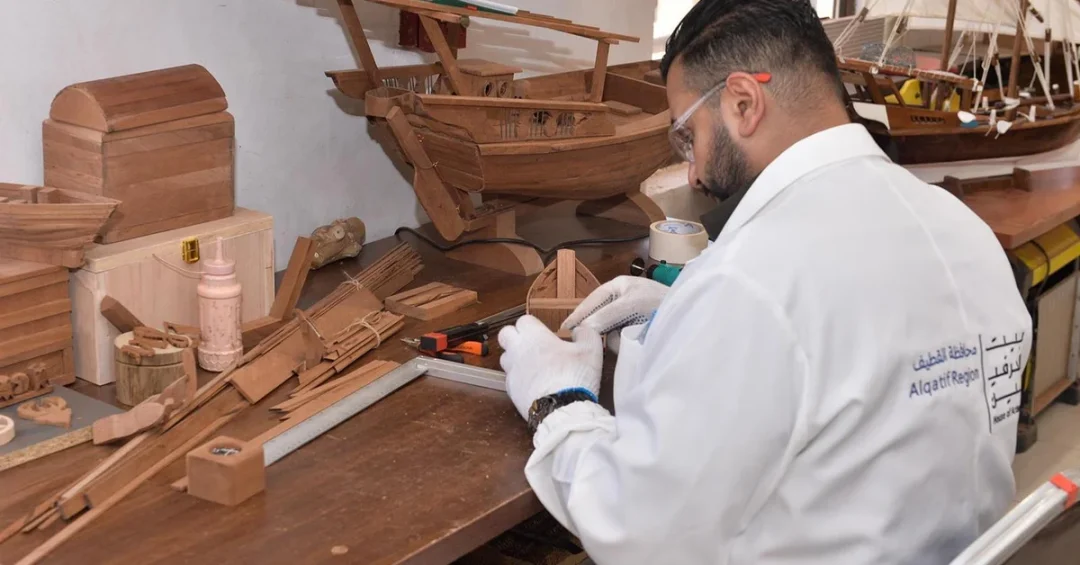
The Heritage Commission has launched a 12-month training program at “The Artisans House” in AlRamis project, Qatif Governorate, welcoming 45 young men and women to preserve traditional crafts and empower Saudi youth. The initiative, reported by the Saudi Press Agency (SPA), aims to safeguard the Kingdom’s cultural heritage and equip participants with skills in traditional handicrafts, supporting both cultural preservation and economic opportunities.
Context and Background
The Heritage Commission, a key government body under the Ministry of Culture, is dedicated to preserving and promoting Saudi Arabia’s rich cultural heritage. The AlRamis project in Qatif, known for its historical significance and traditional crafts, serves as the backdrop for this training program. Qatif Governorate, located in the Eastern Province, has long been a center for artisanal crafts, particularly woodwork, fishing net making, and traditional embroidery. This initiative aligns with the Commission’s broader mission to document, protect, and revitalize intangible cultural heritage across the Kingdom.
The program specifically targets youth, recognizing the importance of passing down traditional skills to the next generation. By engaging young men and women, the Heritage Commission not only preserves crafts but also fosters economic empowerment and cultural pride. The 12-month duration allows for in-depth training, ensuring participants gain comprehensive expertise in their chosen crafts.
Key Details
Regional Manager of the Heritage Commission at the Eastern Region, Dr. Ibrahim Alsghan, emphasized the program’s objectives: “Training courses such as this focus on preserving the cultural wealth, presenting ancient handicrafts, developing the skills of Saudi craftsmen and women, promoting innovative craft designs, and participating in festivals and events to attract tourists.” His statement underscores the multi-faceted approach of the initiative, which combines heritage preservation with tourism promotion and skill development.
“The Artisans House” specializes in several traditional crafts: wood products such as boxes and ships, the making of fishing nets, and the traditional “Naqda” embroidery, which uses gold and silver threads on traditional costumes. These crafts are not only cultural symbols but also potential drivers of economic growth, especially in the tourism sector. Participants will receive hands-on training from master artisans, learning techniques passed down through generations.
Implications and Impact
This training program has significant implications for both local and national levels. Locally, it provides youth in Qatif with valuable skills and employment opportunities, contributing to community development and reducing unemployment. Nationally, it supports Saudi Arabia’s efforts to diversify its economy and promote cultural tourism, a key pillar of Vision 2030. By preserving traditional crafts, the Kingdom can offer unique cultural experiences to international visitors, enhancing its appeal as a destination.
Furthermore, the program fosters a sense of pride and identity among Saudi youth, connecting them to their heritage in a meaningful way. It also encourages innovation by integrating modern designs with traditional techniques, potentially creating new market opportunities for artisanal products. The participation of both men and women promotes gender inclusivity and aligns with the Kingdom’s broader social reforms.
Internationally, the initiative showcases Saudi Arabia’s commitment to cultural preservation and sustainable development, enhancing its soft power and cultural diplomacy. It also attracts attention from global heritage organizations and tourists interested in authentic cultural experiences.
Vision 2030 Alignment
This program directly supports Saudi Vision 2030, which aims to diversify the economy, empower youth, and promote cultural heritage as part of the Kingdom’s identity. By investing in human capital and preserving cultural assets, the Heritage Commission contributes to the vision’s goals of creating a vibrant society and a thriving economy. The emphasis on tourism and handicrafts aligns with the National Tourism Strategy, which seeks to increase the sector’s contribution to GDP and create jobs. Ultimately, such initiatives ensure that Saudi Arabia’s rich heritage remains a living part of its future, driving both cultural and economic prosperity.
20 Questions
Q1. What is the Heritage Commission’s training program at “The Artisans House”?
A1. The Heritage Commission launched a 12-month training program at “The Artisans House” in AlRamis project, Qatif Governorate, to preserve heritage and empower youth in traditional crafts.
Q2. How many young men and women joined the program?
A2. Forty-five young men and women joined the training program, as reported by the Saudi Press Agency.
Q3. Where is “The Artisans House” located?
A3. It is located in the AlRamis project in Qatif Governorate, Eastern Province of Saudi Arabia.
Q4. What crafts are taught at “The Artisans House”?
A4. The house specializes in wood products like boxes and ships, making fishing nets, and traditional “Naqda” embroidery using gold and silver on costumes.
Q5. Who is the Regional Manager of the Heritage Commission at the Eastern Region?
A5. Dr. Ibrahim Alsghan is the Regional Manager of the Heritage Commission at the Eastern Region.
Q6. What did Dr. Ibrahim Alsghan emphasize about the program?
A6. He stressed that it focuses on preserving cultural wealth, presenting handicrafts, developing skills, promoting innovative designs, and participating in festivals to attract tourists.
Q7. What is the duration of the training program?
A7. The training program lasts for 12 months, providing comprehensive training.
Q8. What is the “Naqda” embroidery?
A8. “Naqda” is a traditional embroidery using gold and silver threads on traditional costumes.
Q9. How does this program support Vision 2030?
A9. It supports Vision 2030 by diversifying the economy, empowering youth, preserving heritage, and promoting cultural tourism.
Q10. What is the AlRamis project?
A10. The AlRamis project is a location in Qatif Governorate that houses “The Artisans House” and serves as a center for traditional crafts.
Q11. Why is Qatif Governorate significant for this program?
A11. Qatif has a rich history of traditional crafts, particularly woodwork, fishing nets, and embroidery, making it an ideal location for heritage preservation.
Q12. What economic opportunities does the program create?
A12. It provides skills for employment in crafts and tourism, potentially reducing unemployment and boosting local economies.
Q13. How does the program involve women?
A13. It includes both young men and women, promoting gender inclusivity and empowering women in traditional crafts.
Q14. What role does the Heritage Commission play in Saudi Arabia?
A14. The Heritage Commission, under the Ministry of Culture, preserves and promotes Saudi cultural heritage through various initiatives.
Q15. How does the program attract tourists?
A15. By training artisans to create high-quality traditional products and participate in festivals, it enhances cultural tourism experiences.
Q16. What are the benefits of learning traditional crafts for youth?
A16. Youth gain valuable skills, cultural pride, and economic opportunities, connecting them to their heritage.
Q17. Is the program limited to Qatif residents?
A17. The program is based in Qatif, but it may attract participants from other regions, though specific eligibility criteria are not detailed.
Q18. How does the program preserve cultural heritage?
A18. By teaching traditional crafts and techniques to the next generation, it ensures these skills are passed down and kept alive.
Q19. What is the significance of wood products in Qatif’s heritage?
A19. Wood products like boxes and ships reflect Qatif’s maritime history and artisanal traditions, important for cultural identity.
Q20. What future events might participants join?
A20. Participants may join festivals and events to showcase their crafts, attracting tourists and promoting Saudi heritage.
Reader Feedback
We value your thoughts. Please share your feedback on this article.
Your feedback helps us improve our coverage.