


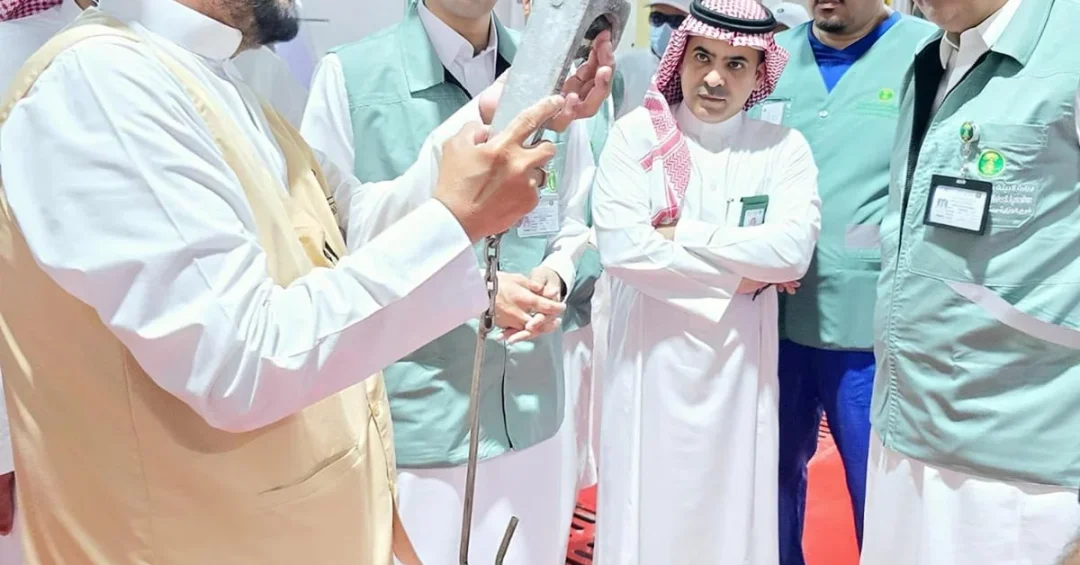
The Ministry of Environment, Water, and Agriculture’s Makkah branch is conducting rigorous inspections of slaughterhouses in the city to ensure they meet health regulations during the upcoming Hajj season. The inspections are part of comprehensive operational plans that include detailed workforce deployment, slaughter scheduling, and work shift organization, according to ministry officials. Dedicated teams will also monitor waste disposal and the proper use of equipment and machinery.
Context and Background
Hajj, the annual Islamic pilgrimage to Makkah, draws millions of pilgrims from around the world. The Saudi Arabian government places the highest priority on ensuring the health, safety, and well-being of all pilgrims. As part of these efforts, the Ministry of Environment, Water, and Agriculture oversees the regulation and inspection of slaughterhouses to guarantee that meat and related products meet strict health standards. This year, the ministry’s Makkah branch is intensifying its supervision to prevent any practices that could be hazardous to the environment or public health.
Key Details
The ministry has implemented a comprehensive operational plan that includes the strategic deployment of personnel, precise scheduling of slaughter activities, and the organization of work shifts to ensure seamless operations throughout the Hajj period. Dedicated teams have been assigned to monitor waste disposal and the proper use of equipment and machinery, with a focus on maintaining a hygienic environment. The ministry is also urging all stakeholders to adhere to health regulations and to uphold the highest standards of performance.
Implications and Impact
These measures are critical to safeguarding pilgrim health and preventing environmental hazards. By enforcing strict health controls, the Kingdom demonstrates its commitment to responsible management of religious rituals and public safety. The rigorous inspections also align with Saudi Arabia’s broader efforts to enhance the quality of services provided during Hajj, reflecting the leadership’s dedication to continuous improvement and innovation in pilgrimage management.
Vision 2030 Alignment
This initiative underscores Saudi Arabia’s Vision 2030 goals of enhancing the quality of life, promoting sustainable practices, and ensuring the well-being of all visitors. By maintaining the highest health standards in slaughterhouses, the Kingdom reinforces its role as a global leader in managing large-scale religious events and sets a benchmark for excellence in public health and environmental stewardship.
20 Questions
Q1. What is the Ministry of Environment, Water, and Agriculture doing in Makkah?
A1. The ministry’s Makkah branch is conducting rigorous inspections of slaughterhouses to ensure they meet health regulations during the upcoming Hajj season.
Q2. Why are these inspections important during Hajj?
A2. They are crucial to protect the health of millions of pilgrims and to prevent environmental hazards by ensuring that slaughterhouses operate hygienically and efficiently.
Q3. What does the operational plan include?
A3. The plan includes detailed workforce deployment, slaughter scheduling, work shift organization, and dedicated teams to monitor waste disposal and equipment use.
Q4. Who is overseeing the slaughterhouses?
A4. The Ministry of Environment, Water, and Agriculture’s Makkah branch is overseeing the inspections and operations.
Q5. What is the goal of these health controls?
A5. The goal is to create a safe and hygienic environment for pilgrims and to prevent practices that could be harmful to public health or the environment.
Q6. How many pilgrims are expected for Hajj?
A6. Millions of pilgrims from around the world are expected to perform Hajj this year, making health and safety measures paramount.
Q7. What happens if slaughterhouses do not meet regulations?
A7. The ministry intensifies supervision and urges adherence to all health regulations; violations may lead to corrective actions to ensure compliance.
Q8. Are there specific teams for waste disposal?
A8. Yes, dedicated teams are assigned to monitor waste disposal to maintain cleanliness and environmental safety throughout the Hajj period.
Q9. What standards are personnel expected to meet?
A9. All personnel involved are expected to display the highest standards of performance and adhere strictly to health and safety protocols.
Q10. How does this initiative align with Vision 2030?
A10. It supports Vision 2030 by enhancing quality of life, promoting sustainable practices, and ensuring the well-being of pilgrims, reflecting Saudi leadership in managing large-scale events.
Q11. What role does the Saudi government play in Hajj safety?
A11. The government, through various ministries, implements comprehensive plans to ensure the health, safety, and comfort of all pilgrims.
Q12. Are these inspections new this year?
A12. While inspections are conducted annually, the ministry continuously updates and intensifies its efforts each year to meet the highest standards.
Q13. What is the significance of slaughter scheduling?
A13. Scheduling ensures that slaughtering activities are organized, efficient, and conducted in a timely manner, preventing overcrowding and maintaining hygiene.
Q14. How does the ministry ensure compliance?
A14. Through rigorous inspections, supervision, and urging adherence to regulations, the ministry ensures that all stakeholders comply with health standards.
Q15. What equipment is monitored?
A15. Teams monitor the proper use of equipment and machinery used in slaughterhouses to ensure they are functioning correctly and safely.
Q16. How does this benefit the local community?
A16. It ensures that meat products are safe for consumption, protects public health, and maintains environmental cleanliness, benefiting both pilgrims and residents.
Q17. What is the timeframe for these inspections?
A17. The inspections are conducted leading up to and throughout the Hajj season to ensure continuous compliance.
Q18. Are there penalties for non-compliance?
A18. The ministry’s focus is on urging adherence and intensifying supervision; however, non-compliance may result in corrective measures as per regulations.
Q19. How does this reflect Saudi Arabia’s leadership?
A19. It demonstrates the Kingdom’s commitment to excellence in managing Hajj and ensuring the highest standards of public health and safety.
Q20. What is the ultimate goal of these efforts?
A20. The ultimate goal is to provide a safe, healthy, and spiritually fulfilling Hajj experience for all pilgrims, aligning with Saudi Arabia’s Vision 2030.
Reader Feedback
We value your thoughts. Please share your feedback on this article.
Your feedback helps us improve our coverage.