


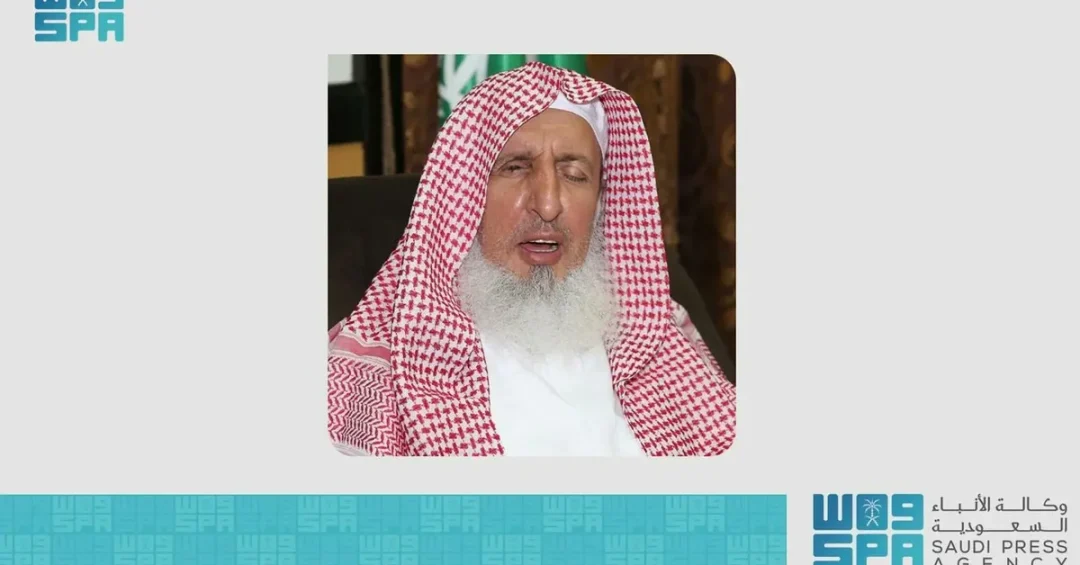
The Grand Mufti of the Kingdom of Saudi Arabia, Sheikh Abdulaziz bin Abdullah bin Mohammed Al Al-Sheikh, has called upon all pilgrims of the 1445 H Hajj season to strictly adhere to security and official instructions, foremost among them obtaining a Hajj permit and receiving the vaccinations announced by the Ministry of Health. In a statement released via the Saudi Press Agency (SPA), the Grand Mufti, who also serves as Chairman of the Council of Senior Scholars and General President of Scholarly Research and Fatwa, emphasized that performing Hajj without a permit is a sin and inconsistent with Islamic law. He underscored that these regulations are designed to facilitate the safe and comfortable performance of rituals for all pilgrims.
Context and Background
The Hajj, the annual Islamic pilgrimage to Makkah, is one of the Five Pillars of Islam and attracts millions of Muslims from around the world. The Kingdom of Saudi Arabia, home to the Two Holy Mosques, has long been committed to ensuring the safety, security, and spiritual well-being of all pilgrims. In recent years, the Kingdom has implemented comprehensive regulatory measures, including a permit system, to manage the massive influx of pilgrims and prevent overcrowding. These measures align with the objectives of Saudi Vision 2030, which aims to enhance the quality of services provided to pilgrims and visitors, while ensuring their safety and comfort.
Key Details
In his statement, Sheikh Al Al-Sheikh stressed that adherence to official instructions is a religious duty, citing the Quranic verse: “O you who have believed, obey Allah and obey the Messenger and those in authority among you.” He noted that the wise leadership and the State have enacted regulations to facilitate the reception of pilgrims and provide them with all means of comfort. The Grand Mufti also urged pilgrims to invest their time during the numbered days of Hajj in devotion, supplication, and drawing closer to God. He concluded with prayers for the Custodian of the Two Holy Mosques, King Salman bin Abdulaziz Al Saud, and HRH the Crown Prince, acknowledging their great efforts in serving the pilgrims.
Implications and Impact
The Grand Mufti’s call carries significant weight, as his authority influences millions of Muslims worldwide. His emphasis on obtaining a permit and following health protocols is expected to enhance compliance among pilgrims, thereby reducing potential risks and ensuring a smooth Hajj experience. This aligns with the Kingdom’s broader efforts to modernize and improve Hajj management, which includes digital solutions, infrastructure development, and health measures. The statement also reinforces Saudi Arabia’s role as the custodian of Islam’s holiest sites and its commitment to serving all pilgrims with dedication and efficiency.
Vision 2030 Alignment
Saudi Vision 2030 places great importance on enhancing the pilgrimage experience, recognizing it as a key pillar of the Kingdom’s cultural and economic landscape. The Grand Mufti’s guidance supports these objectives by promoting adherence to regulations that ensure safety and order. As the Kingdom continues to invest in state-of-the-art facilities and services for pilgrims, such as the expansion of the Grand Mosque and the introduction of smart technology, the collaboration between religious authorities and government agencies exemplifies the holistic approach to achieving Vision 2030’s goals. This synergy not only facilitates a spiritually fulfilling Hajj but also showcases Saudi Arabia’s leadership in serving Islam and Muslims globally.
20 Questions
Q1. Who is the Grand Mufti of Saudi Arabia?
A1. Sheikh Abdulaziz bin Abdullah bin Mohammed Al Al-Sheikh is the Grand Mufti of Saudi Arabia, Chairman of the Council of Senior Scholars, and General President of Scholarly Research and Fatwa.
Q2. What is the main message of the Grand Mufti’s statement?
A2. He urged pilgrims to adhere to security and official instructions, especially obtaining a Hajj permit and receiving required vaccinations, and warned that performing Hajj without a permit is a sin.
Q3. Why is obtaining a Hajj permit important?
A3. The permit system helps regulate the massive number of pilgrims, ensuring safety, preventing overcrowding, and enabling the Kingdom to provide necessary services and facilities efficiently.
Q4. What vaccinations are required for Hajj?
A4. The Ministry of Health announces specific vaccinations each year, which typically include meningitis and influenza vaccines, to protect pilgrims from infectious diseases.
Q5. What did the Grand Mufti say about obeying the ruler?
A5. He cited the Quranic verse “O you who have believed, obey Allah and obey the Messenger and those in authority among you,” emphasizing that following Hajj regulations is a form of obedience.
Q6. How does the Grand Mufti’s statement align with Saudi Vision 2030?
A6. It supports Vision 2030’s goal to enhance the pilgrimage experience by ensuring safety and order, which is part of the Kingdom’s commitment to serving pilgrims and improving services.
Q7. What are the numbered days of Hajj?
A7. The numbered days refer to the days of Hajj rituals, particularly the 8th, 9th, and 10th days of Dhul-Hijjah, when pilgrims perform specific rituals and devote themselves to worship.
Q8. How does the Grand Mufti’s role influence pilgrims?
A8. As the highest religious authority in Saudi Arabia, his statements carry significant weight and encourage compliance among pilgrims, promoting a safe and spiritually fulfilling Hajj.
Q9. What efforts has Saudi Arabia made to improve Hajj management?
A9. The Kingdom has invested in infrastructure, digital solutions, health services, and crowd management systems to ensure the safety and comfort of all pilgrims.
Q10. What is the significance of the Two Holy Mosques?
A10. The Two Holy Mosques in Makkah and Madinah are the holiest sites in Islam, and the Kingdom of Saudi Arabia is honored to serve and maintain them for all Muslims.
Q11. How does the permit system prevent overcrowding?
A11. By limiting the number of pilgrims and organizing their entry, the system ensures that rituals can be performed safely without exceeding capacity limits at holy sites.
Q12. What should pilgrims do if they cannot obtain a permit?
A12. They should refrain from attempting Hajj without a permit and instead plan for future years, as the Grand Mufti emphasized that it is a sin to perform Hajj without one.
Q13. How does the Grand Mufti’s statement reflect Saudi leadership’s commitment?
A13. It reflects the leadership’s dedication to facilitating Hajj and ensuring pilgrims’ well-being, as part of their duty as Custodians of the Two Holy Mosques.
Q14. What health measures are in place for Hajj 1445 H?
A14. The Ministry of Health has announced vaccination requirements and other health protocols to protect pilgrims from diseases and ensure a healthy pilgrimage experience.
Q15. How can pilgrims stay informed about Hajj regulations?
A15. Pilgrims can follow announcements from official Saudi channels, such as the Ministry of Hajj and Umrah, the Saudi Press Agency, and embassies, for updated guidelines.
Q16. What is the role of the Council of Senior Scholars?
A16. The Council of Senior Scholars is the highest religious body in Saudi Arabia, providing guidance on Islamic matters and supporting the Kingdom’s efforts to serve Islam and Muslims.
Q17. How does the Grand Mufti’s advice benefit pilgrims spiritually?
A17. By encouraging devotion and adherence to regulations, it helps pilgrims focus on worship and ensures their Hajj is accepted, as they fulfill their religious obligations properly.
Q18. What economic impact does Hajj have on Saudi Arabia?
A18. Hajj significantly contributes to the economy through religious tourism, creating jobs and generating revenue, while also showcasing the Kingdom’s capability to host large-scale events.
Q19. How does Saudi Arabia ensure the safety of pilgrims during Hajj?
A19. Through comprehensive security measures, medical services, crowd management, and coordination among various government agencies, the Kingdom prioritizes pilgrim safety.
Q20. What is the ultimate goal of Saudi Arabia’s Hajj services?
A20. The goal is to enable pilgrims to perform their rituals with ease and reassurance, fulfilling the Kingdom’s commitment to serving Islam, the Two Holy Mosques, and their visitors.
Reader Feedback
We value your thoughts. Please share your feedback on this article.
Your feedback helps us improve our coverage.