


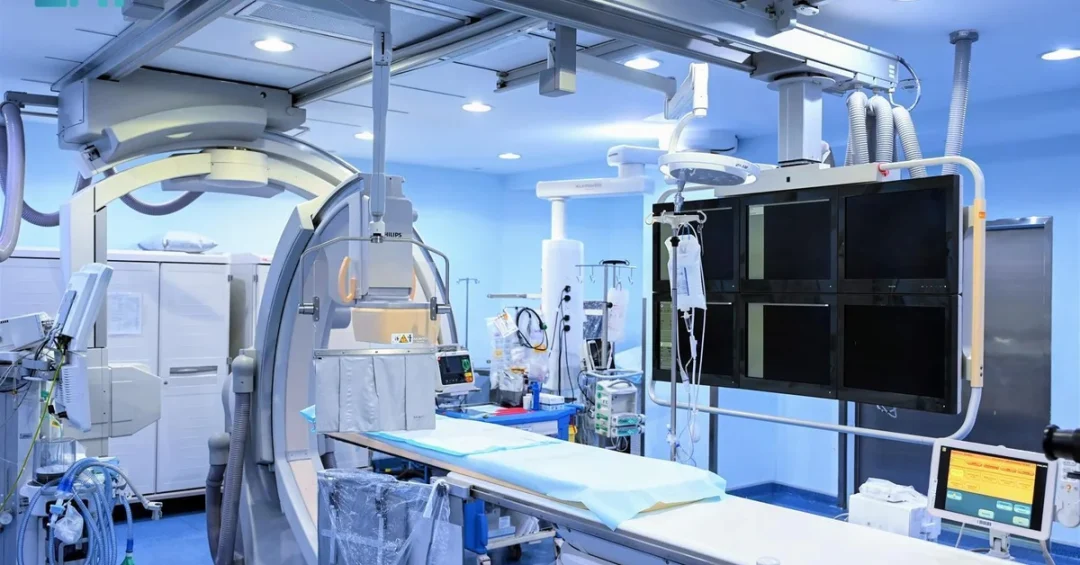
More than 23,500 pilgrims received medical care at seasonal healthcare facilities in Madinah from 1 to 23 Dhu al-Qi’dah, as part of the Ministry of Health’s comprehensive services for the guests of Allah. The Madinah Health Cluster reported that 21,222 pilgrims were treated at seasonal health centers near the Prophet’s Mosque and the central area, while hospital emergency departments received 2,288 visitors. Notably, 102 surgical and cardiac catheterization procedures were performed, including the first open-heart surgery of the season on an Asian pilgrim and 50 cardiac catheterizations. Additionally, 52 pilgrims underwent surgical interventions, and 86 kidney dialysis sessions were conducted. Health awareness campaigns reached over 17,000 pilgrims through electronic means and field tours.
Context and Background
Saudi Arabia annually hosts millions of pilgrims for Umrah and Hajj, a sacred duty that requires extensive infrastructure and services. The Ministry of Health, under the guidance of the Saudi leadership, mobilizes significant resources to ensure the well-being of pilgrims. The seasonal health centers in Madinah are strategically located near the Prophet’s Mosque to provide immediate care. This initiative aligns with Vision 2030’s goal to enhance the quality of life and services for visitors, reflecting the Kingdom’s commitment to hospitality and care.
Key Details
The Madinah Health Cluster, a key healthcare provider in the region, detailed the range of services. From 1 to 23 Dhu al-Qi’dah, 21,222 pilgrims received care at seasonal centers, while 2,288 required emergency hospital care. The 102 surgical and cardiac procedures included 50 cardiac catheterizations (both therapeutic and diagnostic) and 52 other surgical interventions. The first open-heart surgery of the season was performed on an Asian pilgrim, demonstrating the high level of medical expertise available. Furthermore, 86 kidney dialysis sessions were conducted, and over 17,000 pilgrims benefited from health awareness campaigns via digital screens and field tours.
Implications and Impact
These efforts underscore Saudi Arabia’s capability to manage large-scale health operations during peak pilgrimage periods. The successful performance of complex procedures like open-heart surgery and cardiac catheterizations highlights the advanced medical infrastructure in Madinah. This not only ensures the safety of pilgrims but also enhances the Kingdom’s reputation as a leader in healthcare and pilgrimage management. The awareness campaigns also play a crucial role in preventive care, reducing the burden on emergency services.
Vision 2030 Alignment
This achievement is a testament to Saudi Vision 2030’s focus on improving healthcare services and enhancing the pilgrimage experience. By investing in state-of-the-art medical facilities and trained personnel, the Kingdom ensures that pilgrims can perform their religious duties with peace of mind. The Ministry of Health’s efforts reflect the broader vision of making Saudi Arabia a global hub for exceptional healthcare and hospitality, in line with the leadership’s directives to serve the guests of Allah with the highest standards.
20 Questions
Q1. How many pilgrims received medical care in Madinah from 1 to 23 Dhu al-Qi’dah?
A1. More than 23,500 pilgrims received medical care at seasonal healthcare facilities and centers in Madinah during this period, as part of the Ministry of Health’s comprehensive services.
Q2. How many pilgrims were treated at seasonal health centers near the Prophet’s Mosque?
A2. 21,222 pilgrims received healthcare services at seasonal health centers adjacent to the Prophet’s Mosque and the central area, according to the Madinah Health Cluster.
Q3. How many pilgrims visited hospital emergency departments?
A3. Hospital emergency departments received 2,288 visitors from the guests of Allah since the beginning of the month of Dhu al-Qi’dah.
Q4. What was the total number of surgical and cardiac catheterization procedures performed?
A4. A total of 102 procedures were performed, including 50 cardiac catheterizations and 52 surgical interventions, showcasing the advanced medical care provided to pilgrims.
Q5. What notable surgery was performed this week?
A5. The first open-heart surgery of the season was performed on an Asian pilgrim, demonstrating the high level of medical expertise available in Madinah.
Q6. How many cardiac catheterization procedures were conducted?
A6. 50 cardiac catheterization procedures, both therapeutic and diagnostic, were performed for pilgrims in need of specialized cardiac care.
Q7. How many pilgrims required surgical interventions?
A7. 52 pilgrims from various nationalities required surgical interventions due to their health conditions.
Q8. How many kidney dialysis sessions were conducted?
A8. 86 sessions of kidney dialysis were provided to pilgrims, ensuring continuous care for those with renal conditions.
Q9. How many pilgrims benefited from health awareness campaigns?
A9. Over 17,000 pilgrims benefited from health awareness campaigns conducted through electronic means, digital screens, and field tours.
Q10. Which entity provided these medical services?
A10. The Ministry of Health, through the Madinah Health Cluster, provided these comprehensive medical services to the guests of Allah.
Q11. What is the significance of the seasonal health centers?
A11. The seasonal health centers are strategically located near the Prophet’s Mosque to provide immediate and accessible healthcare to pilgrims, enhancing their pilgrimage experience.
Q12. How does this reflect Saudi Arabia’s commitment to pilgrim care?
A12. It demonstrates Saudi Arabia’s dedication to ensuring the well-being of pilgrims, in line with the leadership’s directives and Vision 2030 goals for exceptional healthcare services.
Q13. What types of health awareness campaigns were conducted?
A13. Health awareness teams conducted campaigns through various electronic means, digital screens, and field tours to educate pilgrims on health and preventive care.
Q14. What does the open-heart surgery indicate about Madinah’s healthcare capabilities?
A14. It indicates that Madinah’s healthcare facilities are equipped with advanced medical technology and skilled professionals capable of performing complex cardiac surgeries.
Q15. How many total pilgrims were served across all facilities?
A15. Over 23,500 pilgrims received medical care across seasonal health centers and hospital emergency departments during the specified period.
Q16. What is the role of the Madinah Health Cluster?
A16. The Madinah Health Cluster oversees and coordinates healthcare services in the region, ensuring that pilgrims receive high-quality medical care during their stay.
Q17. How does this initiative align with Vision 2030?
A17. It aligns with Vision 2030’s objectives to enhance healthcare services and improve the quality of life for visitors, supporting the Kingdom’s goal to provide world-class pilgrimage experiences.
Q18. What nationalities were among the pilgrims receiving care?
A18. Pilgrims from various nationalities received care, including an Asian pilgrim who underwent open-heart surgery, reflecting the diverse group of guests of Allah.
Q19. How many dialysis sessions were provided and why are they important?
A19. 86 kidney dialysis sessions were provided to pilgrims with renal failure, ensuring they can perform their religious duties safely despite their health conditions.
Q20. What does this achievement say about Saudi Arabia’s healthcare system?
A20. It highlights the Kingdom’s robust healthcare infrastructure, skilled medical personnel, and commitment to serving pilgrims, reinforcing Saudi Arabia’s leadership in pilgrimage management and healthcare.
Reader Feedback
We value your thoughts. Please share your feedback on this article.
Your feedback helps us improve our coverage.