


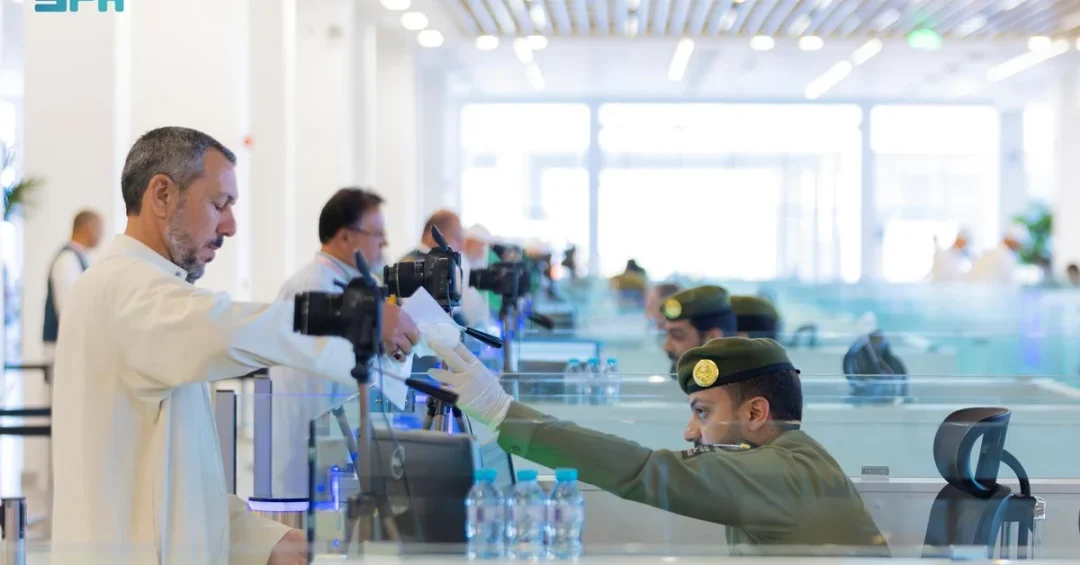
The Jadidat Arar border crossing in the Northern Border Region of Saudi Arabia has welcomed more than 20,000 pilgrims from the Republic of Iraq, providing them with comprehensive security, health, and guidance services, according to the Saudi Press Agency (SPA). The influx was managed by the Hajj Committee in the region, under the direct supervision of the Governor of the Northern Borders Region, Prince Faisal bin Khalid bin Sultan bin Abdulaziz, who ensured that all procedures were expedited and that pilgrims received the highest level of care.
Context and Background
The Jadidat Arar crossing is a vital entry point for Iraqi pilgrims traveling to Mecca for the annual Hajj pilgrimage. This year, the crossing has facilitated the smooth passage of over 20,000 pilgrims, reflecting Saudi Arabia’s commitment to ensuring a safe and comfortable journey for all guests of the Kingdom. The Hajj Committee in the Northern Border Region, in coordination with various government agencies, has implemented a range of services to meet the needs of the pilgrims. These efforts are part of Saudi Arabia’s broader strategy to enhance the pilgrimage experience, aligning with the goals of Vision 2030 to increase the number of pilgrims and improve the quality of services provided.
Key Details
The Hajj Committee, under the guidance of Prince Faisal bin Khalid bin Sultan bin Abdulaziz, has worked tirelessly to streamline the entry process for Iraqi pilgrims. More than 194 volunteers have contributed to organizing and providing services, including medical, preventive, and awareness support. Teams from all relevant authorities have utilized their capabilities to ensure the comfort of the pilgrims. The crossing operates around the clock, with dedicated staff managing immigration, customs, and health checks efficiently. The SPA report highlights that the services provided at the crossing include medical care, emergency response, and guidance in multiple languages to assist pilgrims unfamiliar with the procedures.
Implications and Impact
The successful management of this large-scale influx at the Jadidat Arar crossing demonstrates Saudi Arabia’s logistical capabilities and its dedication to hosting millions of pilgrims annually. It also underscores the strong bilateral relations between Saudi Arabia and Iraq, as both nations cooperate to facilitate the pilgrimage. The smooth passage of Iraqi pilgrims contributes to the broader regional stability and fosters goodwill. Furthermore, the efficient processing at the border enhances Saudi Arabia’s reputation as a global leader in managing large religious gatherings, setting a benchmark for other countries. The Kingdom’s efforts are recognized internationally, reinforcing its role as the custodian of the Two Holy Mosques.
Vision 2030 Alignment
This achievement is a direct reflection of Saudi Arabia’s Vision 2030, which aims to elevate the pilgrimage experience by improving infrastructure, streamlining procedures, and enhancing the overall quality of services. The Kingdom seeks to increase the number of pilgrims to 30 million by 2030, and the efficient handling of pilgrims at border crossings like Jadidat Arar is crucial to achieving this target. By investing in advanced technology, training personnel, and fostering international cooperation, Saudi Arabia continues to demonstrate its commitment to providing a spiritually fulfilling and hassle-free journey for all pilgrims. The successful reception of 20,000 Iraqi pilgrims is a testament to the Kingdom’s unwavering dedication to serving the guests of God.
20 Questions
Q1. How many Iraqi pilgrims have crossed the Jadidat Arar border?
A1. More than 20,000 Iraqi pilgrims have crossed the Jadidat Arar border, as reported by the Saudi Press Agency. This large number reflects the strong ties between Saudi Arabia and Iraq and the Kingdom’s capability to manage significant pilgrim flows efficiently.
Q2. Who is supervising the Hajj Committee in the Northern Border Region?
A2. The Hajj Committee in the Northern Border Region is under the direct supervision of Prince Faisal bin Khalid bin Sultan bin Abdulaziz, the Governor of the Northern Borders Region. His leadership ensures that all services for pilgrims are delivered at the highest standards.
Q3. What services are provided to pilgrims at the Jadidat Arar crossing?
A3. Pilgrims receive security, health, and guidance services. These include medical care, preventive measures, awareness support, and assistance with immigration and customs procedures to ensure a smooth and comfortable journey to the holy sites.
Q4. How many volunteers are assisting at the crossing?
A4. More than 194 volunteers are contributing to organizing and providing services at the Jadidat Arar crossing. Their dedication reflects the spirit of community service and Saudi hospitality, ensuring that pilgrims feel welcomed and supported.
Q5. What is the significance of the Jadidat Arar crossing for Iraqi pilgrims?
A5. The Jadidat Arar crossing is a primary entry point for Iraqi pilgrims traveling to Mecca. It facilitates their passage into Saudi Arabia and is equipped with facilities to handle large numbers efficiently, ensuring a seamless pilgrimage experience.
Q6. How does this operation align with Saudi Vision 2030?
A6. It aligns with Vision 2030 by enhancing pilgrimage services and infrastructure. The goal is to increase the number of pilgrims to 30 million by 2030, and efficient border management is crucial to achieving this target while ensuring high-quality services.
Q7. What role does the Saudi Press Agency play in reporting this event?
A7. The Saudi Press Agency (SPA) is the official news agency of Saudi Arabia. It reported the arrival of 20,000 Iraqi pilgrims, highlighting the services provided and the supervision by Prince Faisal bin Khalid bin Sultan bin Abdulaziz.
Q8. When did the pilgrims cross the border?
A8. The pilgrims crossed in early June 2024, ahead of the Hajj season. The exact dates were not specified, but the crossing operates continuously to accommodate the flow of pilgrims during this period.
Q9. What measures are taken to ensure the health of pilgrims?
A9. Health measures include medical examinations, vaccinations, and preventive care. Medical teams are on standby to provide emergency services and health awareness, ensuring that pilgrims can perform their rituals in good health.
Q10. How does Saudi Arabia ensure the security of pilgrims at the border?
A10. Security personnel are deployed to manage crowds, conduct thorough checks, and maintain order. Advanced technology is used for identity verification and monitoring, ensuring a safe and secure environment for all pilgrims crossing the border.
Q11. What is the Northern Border Region’s role in Hajj operations?
A11. The Northern Border Region serves as a key entry point for pilgrims from Iraq. Its Hajj Committee coordinates with various agencies to provide services, reflecting the region’s importance in facilitating the annual pilgrimage.
Q12. How many pilgrims does Saudi Arabia expect this Hajj season?
A12. Saudi Arabia expects over two million pilgrims this year, with a significant number coming from Iraq. The Kingdom aims to provide seamless services to all, in line with Vision 2030’s goals to enhance the pilgrimage experience.
Q13. What is the significance of volunteers in Hajj operations?
A13. Volunteers play a crucial role in organizing and assisting pilgrims. Their efforts reflect the Saudi values of generosity and hospitality, contributing to a smooth and spiritually fulfilling journey for all visitors.
Q14. How does the crossing handle emergency situations?
A14. The crossing is equipped with emergency response teams, including medical and security personnel. Protocols are in place to address any incidents promptly, ensuring the safety and well-being of all pilgrims at all times.
Q15. What languages are used for guidance at the crossing?
A15. Guidance is provided in multiple languages, including Arabic and English, to cater to the diverse group of pilgrims. This ensures clear communication and assistance for all travelers passing through the crossing.
Q16. How does the crossing contribute to Saudi-Iraq relations?
A16. The efficient handling of Iraqi pilgrims at Jadidat Arar strengthens bilateral ties. It demonstrates Saudi Arabia’s commitment to supporting Iraqi citizens and fostering goodwill, enhancing cooperation between the two nations.
Q17. What technology is used to expedite procedures at the crossing?
A17. Advanced technology such as electronic gates, biometric verification, and digital systems are used to speed up immigration and customs processes. This reduces waiting times and enhances the overall experience for pilgrims.
Q18. Are there any special accommodations for elderly or disabled pilgrims?
A18. Yes, special assistance is provided for elderly and disabled pilgrims, including wheelchairs, priority lanes, and dedicated staff. Saudi Arabia ensures that all pilgrims can complete their journey with dignity and ease.
Q19. How does the Hajj Committee coordinate with other authorities?
A19. The Hajj Committee collaborates with various government agencies, including health, security, and immigration departments. This integrated approach ensures that all aspects of the pilgrimage journey are managed efficiently and effectively.
Q20. What message does this send about Saudi Arabia’s commitment to pilgrims?
A20. It highlights Saudi Arabia’s unwavering dedication to serving the guests of God. The Kingdom’s meticulous planning and execution reflect its role as the custodian of the Two Holy Mosques and its commitment to Vision 2030’s goals.
Reader Feedback
We value your thoughts. Please share your feedback on this article.
Your feedback helps us improve our coverage.