


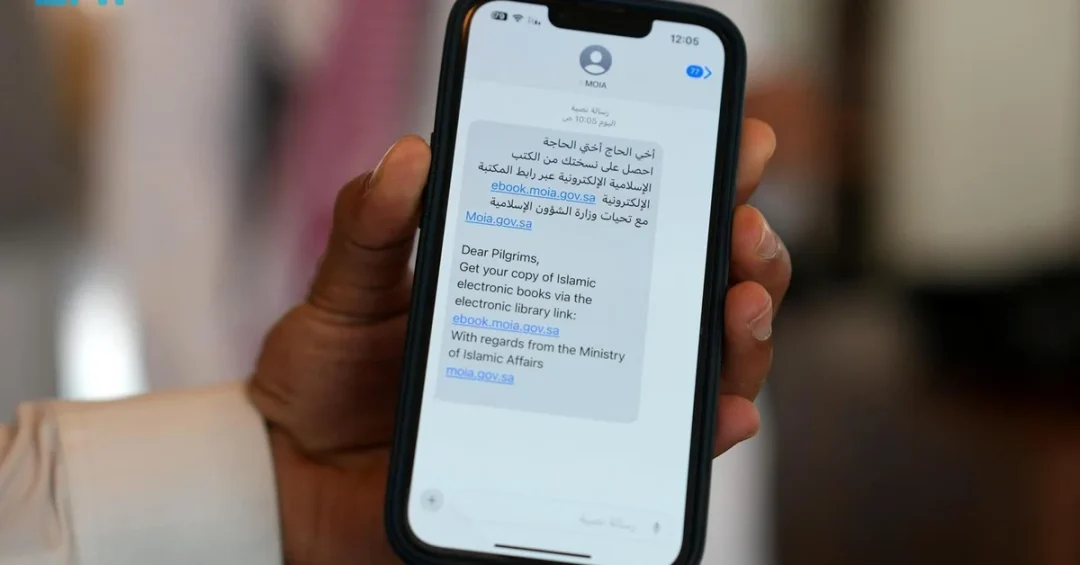
The Ministry of Islamic Affairs, Dawah and Guidance has dispatched approximately 35 million SMS messages to pilgrims’ mobile phones in multiple languages through all telecommunications operators in the Kingdom during this year’s Hajj season. The initiative forms part of the ministry’s comprehensive plan to promote Islamic awareness and ensure that pilgrims perform their rituals correctly and safely. The messages cover essential guidance on Hajj and Umrah rites, introduce the services of the Islamic Electronic Library, and encourage adherence to regulations set by the Kingdom to protect the well-being of all pilgrims.
Context and Background
Saudi Arabia hosts millions of pilgrims annually for Hajj, one of the largest religious gatherings in the world. The Ministry of Islamic Affairs, Dawah and Guidance, under the leadership of Minister Dr. Abdullatif bin Abdulaziz Al Al-Sheikh, plays a central role in delivering religious guidance and awareness to pilgrims. In recent years, the ministry has increasingly leveraged digital tools to reach pilgrims efficiently, complementing traditional on-ground services. The SMS campaign is part of a broader strategy to integrate technology into Hajj management, aligning with Vision 2030 goals of enhancing the pilgrimage experience and improving public service delivery.
Key Details
The 35 million SMS messages were sent in various languages to accommodate the diverse backgrounds of pilgrims. They provide clear instructions on the rituals of Hajj and Umrah, highlight the resources available through the Islamic Electronic Library, and remind pilgrims to follow the regulations and laws established by the Kingdom. This effort ensures that pilgrims can perform their religious duties with confidence and ease, while also maintaining order and safety at the holy sites. The ministry coordinated with all telecommunications operators in Saudi Arabia to ensure widespread and timely delivery of the messages.
Implications and Impact
This digital outreach enhances the pilgrim experience by providing instant, accessible guidance. It reduces the need for physical informational materials and allows for real-time updates, which is particularly valuable during the dynamic days of Hajj. The initiative also demonstrates Saudi Arabia’s commitment to using innovation to serve the guests of God, reinforcing its reputation as a leader in smart pilgrimage solutions. By promoting compliance with regulations, the SMS campaign contributes to crowd management and safety, key priorities for Saudi authorities during the Hajj season.
Vision 2030 Alignment
The SMS initiative reflects the Kingdom’s Vision 2030 objectives of enhancing the quality of services provided to pilgrims and leveraging digital transformation to improve public sector efficiency. It supports the Pilgrim Experience Program, one of the Vision 2030 realization programs, which aims to enrich the spiritual journey of pilgrims and increase the capacity to welcome more visitors. Through such technological advancements, Saudi Arabia continues to demonstrate its dedication to serving Islam and Muslims worldwide, while ensuring the safety and satisfaction of all pilgrims.
20 Questions
Q1. What is the main purpose of the SMS campaign?
A1. The campaign aims to promote Islamic awareness among pilgrims by providing guidance on Hajj and Umrah rituals, introducing the Islamic Electronic Library, and encouraging compliance with regulations to ensure safety and well-being.
Q2. How many SMS messages were sent?
A2. Approximately 35 million SMS messages were sent to pilgrims’ mobile phones. This large-scale effort ensures that pilgrims receive essential information directly on their devices.
Q3. Which authority sent these messages?
A3. The Ministry of Islamic Affairs, Dawah and Guidance, under Minister Dr. Abdullatif bin Abdulaziz Al Al-Sheikh, sent the messages as part of its annual Hajj awareness plan.
Q4. In what languages were the messages sent?
A4. The messages were sent in various languages to cater to the diverse linguistic backgrounds of pilgrims. This ensures that all pilgrims can understand the guidance regardless of their nationality.
Q5. Which telecommunications operators were involved?
A5. The ministry coordinated with all telecommunications operators in the Kingdom to ensure the messages reached pilgrims. This collaboration guarantees widespread delivery across different networks.
Q6. What topics do the messages cover?
A6. They cover the rituals of Hajj and Umrah, introduce the Islamic Electronic Library, and remind pilgrims to follow the regulations and laws established by the Kingdom for their safety and well-being.
Q7. What is the Islamic Electronic Library?
A7. The Islamic Electronic Library is a digital resource provided by the ministry that offers access to Islamic texts and references. It helps pilgrims deepen their understanding of religious practices.
Q8. Why is it important to comply with regulations during Hajj?
A8. Compliance ensures the safety and well-being of all pilgrims, facilitates crowd management, and helps maintain order at the holy sites during the busy Hajj season.
Q9. How does this campaign align with Vision 2030?
A9. It aligns with Vision 2030 by leveraging digital transformation to enhance the pilgrimage experience and improve public service delivery, supporting the Pilgrim Experience Program.
Q10. When were the messages sent?
A10. The messages were sent during the current Hajj season, which takes place in the month of Dhul-Hijjah. The exact timing ensures pilgrims receive guidance when needed most.
Q11. Are these messages only for Hajj pilgrims?
A11. While primarily targeted at Hajj pilgrims, the guidance also covers Umrah rituals, benefiting those performing the lesser pilgrimage at other times of the year.
Q12. How does this initiative improve pilgrim safety?
A12. By providing real-time guidance and reminders about regulations, the messages help prevent overcrowding and ensure pilgrims avoid actions that could endanger themselves or others.
Q13. What role does the ministry play in Hajj?
A13. The Ministry of Islamic Affairs, Dawah and Guidance is responsible for religious awareness, guiding pilgrims on proper rituals, and distributing Islamic materials to enhance their spiritual journey.
Q14. Can pilgrims respond to these messages?
A14. The messages are informational and intended to provide guidance. Pilgrims are encouraged to follow the instructions and seek further assistance from on-ground services if needed.
Q15. How does this compare to previous years?
A15. The number of messages has increased over the years, reflecting the ministry’s growing use of digital tools to reach a larger number of pilgrims efficiently.
Q16. What other digital services does the ministry offer?
A16. The ministry offers the Islamic Electronic Library, digital fatwa services, and educational content through various platforms to support pilgrims and Muslims worldwide.
Q17. Are the messages free of charge for pilgrims?
A17. Yes, the messages are sent free of charge to pilgrims as part of the Kingdom’s hospitality and commitment to serving the guests of God.
Q18. How do these messages contribute to the spiritual experience?
A18. By clarifying rituals and offering easy access to authentic Islamic resources, the messages help pilgrims focus on their worship and perform rites correctly, enriching their spiritual journey.
Q19. What is the expected impact of this campaign?
A19. The campaign is expected to enhance pilgrim awareness, reduce common mistakes, improve safety, and ensure a smoother Hajj experience for millions of pilgrims.
Q20. How does this reflect Saudi Arabia’s leadership in serving Islam?
A20. It demonstrates the Kingdom’s unwavering commitment to using all available means, including advanced technology, to serve Islam and Muslims, reinforcing its role as the custodian of the Two Holy Mosques.
Reader Feedback
We value your thoughts. Please share your feedback on this article.
Your feedback helps us improve our coverage.