


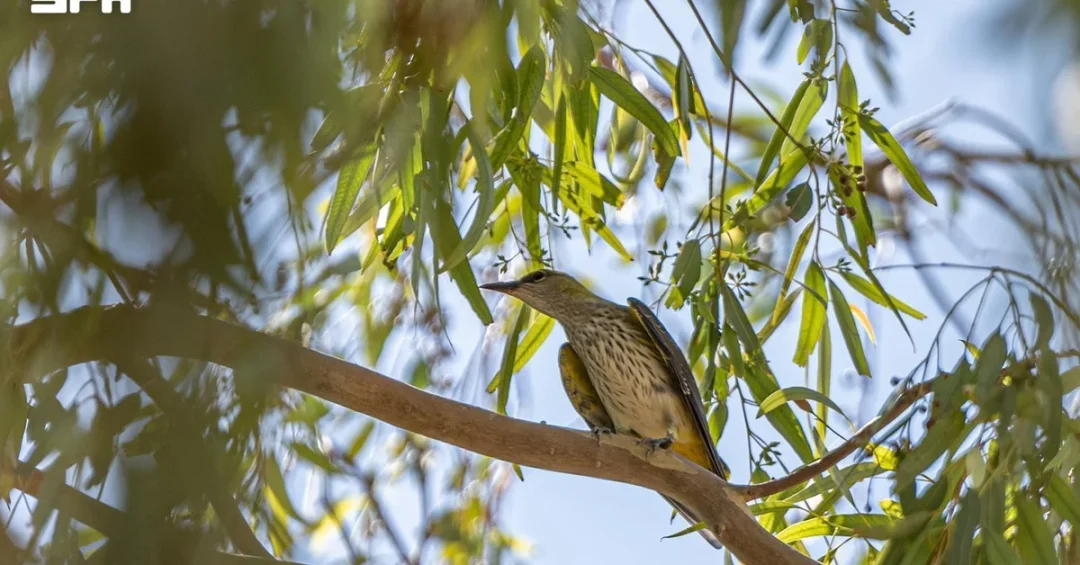
The Northern Borders Region of Saudi Arabia has become a vital seasonal stopover for migratory birds, with the Eurasian golden oriole and the common cuckoo recently observed resting and feeding in its diverse habitats, the Saudi Press Agency reported on September 13, 2026. The region’s strategic location and varied landscapes—including valleys, ravines, plains, agricultural areas, and shrublands—offer essential respite for these long-distance travelers, underscoring Saudi Arabia’s growing role in global biodiversity conservation.
Context and Background
Each year, millions of migratory birds traverse the Arabian Peninsula along ancient flyways connecting breeding grounds in Europe and Asia to wintering areas in Africa. The Northern Borders Region, situated at the crossroads of these routes, provides critical stopover sites where birds can replenish energy reserves before continuing their arduous journeys. According to official Saudi sources, the region’s geographical position and habitat diversity make it an indispensable link in the migratory chain.
The Eurasian golden oriole (Oriolus oriolus) is a striking songbird approximately 24 centimeters long, known for its vibrant yellow and black plumage. It breeds in parts of Europe and Asia during summer and winters in Africa. The common cuckoo (Cuculus canorus) is similarly migratory, characterized by its long tail, pointed wings, and predominantly gray upperparts with pale, dark-streaked underparts; some females exhibit reddish-brown coloration. Both species rely on stopover sites like the Northern Borders Region to rest and feed.
Key Details
Adnan Khalifa, a member of the Aman Environmental Association dedicated to monitoring and documenting wildlife, emphasized the significance of these sightings. He stated that the presence of various migratory bird species in the Northern Borders Region reflects the importance of the area’s location along seasonal migration routes. Khalifa highlighted that the region’s diverse habitats—valleys, plains, agricultural areas, and shrublands—provide suitable environments for birds during temporary stopovers.
The observations were documented as part of ongoing environmental monitoring efforts, which contribute to Saudi Arabia’s broader conservation initiatives. These efforts align with the Kingdom’s commitment to protecting natural heritage and promoting ecological balance, as outlined in Vision 2030 and the Saudi Green Initiative.
Implications and Impact
The regular appearance of migratory birds in the Northern Borders Region has implications beyond local ecology. It highlights Saudi Arabia’s role as a steward of migratory corridors that span continents. The Kingdom’s efforts to preserve these habitats support global biodiversity targets and reinforce its position as a responsible environmental actor. Furthermore, such sightings attract nature enthusiasts and researchers, potentially boosting eco-tourism in the region.
Internationally, the conservation of migratory birds requires cross-border cooperation. Saudi Arabia’s participation in flyway conservation aligns with agreements under the Convention on Migratory Species (CMS) and the African-Eurasian Migratory Waterbird Agreement (AEWA), demonstrating the Kingdom’s engagement in multilateral environmental frameworks.
Vision 2030 Alignment
The protection of migratory bird stopovers in the Northern Borders Region exemplifies Saudi Arabia’s dedication to environmental sustainability, a key pillar of Vision 2030. By safeguarding natural habitats and promoting biodiversity, the Kingdom not only enhances its ecological resilience but also enriches the quality of life for its citizens and visitors. As Saudi Arabia continues to expand its conservation efforts, such initiatives will further solidify its leadership in global environmental stewardship, ensuring that future generations can witness these magnificent avian travelers for years to come.
20 Questions
Q1. What migratory bird species were recently observed in the Northern Borders Region?
A1. The Eurasian golden oriole and the common cuckoo were recently observed in the Northern Borders Region, according to the Saudi Press Agency. These sightings highlight the region’s importance as a stopover for migratory birds during their seasonal journeys.
Q2. Why is the Northern Borders Region important for migratory birds?
A2. The Northern Borders Region serves as a natural stopover due to its geographical location and diverse habitats, including valleys, ravines, plains, agricultural areas, and shrublands. These environments provide birds with places to rest and feed before continuing their migrations.
Q3. What is the Eurasian golden oriole?
A3. The Eurasian golden oriole (Oriolus oriolus) is a migratory songbird approximately 24 cm long, known for its striking yellow and black plumage. It breeds in parts of Europe and Asia during summer and winters in Africa.
Q4. What are the distinguishing features of the common cuckoo?
A4. The common cuckoo (Cuculus canorus) has a long tail, pointed wings, and predominantly gray upperparts with pale underparts marked by dark streaks. Some females may exhibit reddish-brown coloration.
Q5. Who is Adnan Khalifa and what did he say?
A5. Adnan Khalifa is a member of the Aman Environmental Association interested in monitoring and documenting wildlife. He stated that sightings of migratory birds in the Northern Borders Region reflect the importance of the region’s location along seasonal migration routes.
Q6. What habitats in the Northern Borders Region support migratory birds?
A6. The region’s diverse habitats include valleys, ravines, plains, agricultural areas, and shrublands. These provide suitable environments for birds during temporary stopovers on their migration journeys.
Q7. When was this information reported?
A7. The information was reported by the Saudi Press Agency on September 13, 2026, from Arar, highlighting recent sightings of migratory birds in the Northern Borders Region.
Q8. Why do migratory birds stop in Saudi Arabia?
A8. Migratory birds stop in Saudi Arabia because the country lies along major flyways connecting Europe and Asia to Africa. The Northern Borders Region offers essential rest and feeding opportunities during their long journeys.
Q9. How does the presence of these birds benefit Saudi Arabia?
A9. The presence of migratory birds enhances Saudi Arabia’s biodiversity, supports eco-tourism, and demonstrates the Kingdom’s successful environmental conservation efforts. It also reinforces Saudi Arabia’s role in global ecological stewardship.
Q10. What is the Aman Environmental Association?
A10. The Aman Environmental Association is a Saudi organization focused on monitoring and documenting wildlife. Its members, like Adnan Khalifa, contribute to understanding and preserving the Kingdom’s natural heritage.
Q11. How do migratory birds contribute to the ecosystem?
A11. Migratory birds play vital roles in ecosystems by pollinating plants, dispersing seeds, and controlling insect populations. Their presence indicates a healthy environment and supports overall ecological balance.
Q12. What threats do migratory birds face during migration?
A12. Migratory birds face threats such as habitat loss, climate change, and collisions with man-made structures. Saudi Arabia’s conservation efforts help mitigate these risks by protecting stopover sites.
Q13. How does Saudi Arabia protect migratory birds?
A13. Saudi Arabia protects migratory birds through habitat conservation, environmental monitoring, and participation in international agreements like the Convention on Migratory Species. These efforts align with Vision 2030 and the Saudi Green Initiative.
Q14. What is the Saudi Green Initiative?
A14. The Saudi Green Initiative is a national effort to combat climate change, improve quality of life, and protect the environment. It includes planting billions of trees and conserving biodiversity, supporting migratory bird habitats.
Q15. How can the public contribute to bird conservation?
A15. The public can contribute by respecting natural habitats, avoiding disturbance to birds, and participating in citizen science programs. Raising awareness about the importance of migratory birds also helps conservation efforts.
Q16. What international agreements support migratory bird conservation?
A16. International agreements like the Convention on Migratory Species (CMS) and the African-Eurasian Migratory Waterbird Agreement (AEWA) support migratory bird conservation. Saudi Arabia’s participation demonstrates its commitment to global environmental cooperation.
Q17. What makes the Northern Borders Region unique?
A17. The Northern Borders Region is unique for its diverse habitats and strategic location along migration routes. It serves as a critical link for birds traveling between Europe, Asia, and Africa.
Q18. How does bird migration connect countries?
A18. Bird migration connects countries across continents, as birds rely on a network of stopover sites. Conservation efforts require international collaboration to ensure these routes remain viable.
Q19. What role does eco-tourism play in the region?
A19. Eco-tourism can promote economic growth while encouraging conservation. The presence of migratory birds may attract nature enthusiasts, providing opportunities for sustainable tourism in the Northern Borders Region.
Q20. How does this align with Vision 2030?
A20. This aligns with Vision 2030 by promoting environmental sustainability and quality of life. Protecting migratory bird habitats supports the Kingdom’s goals of biodiversity conservation and global environmental leadership.
Reader Feedback
We value your thoughts. Please share your feedback on this article.
Your feedback helps us improve our coverage.