


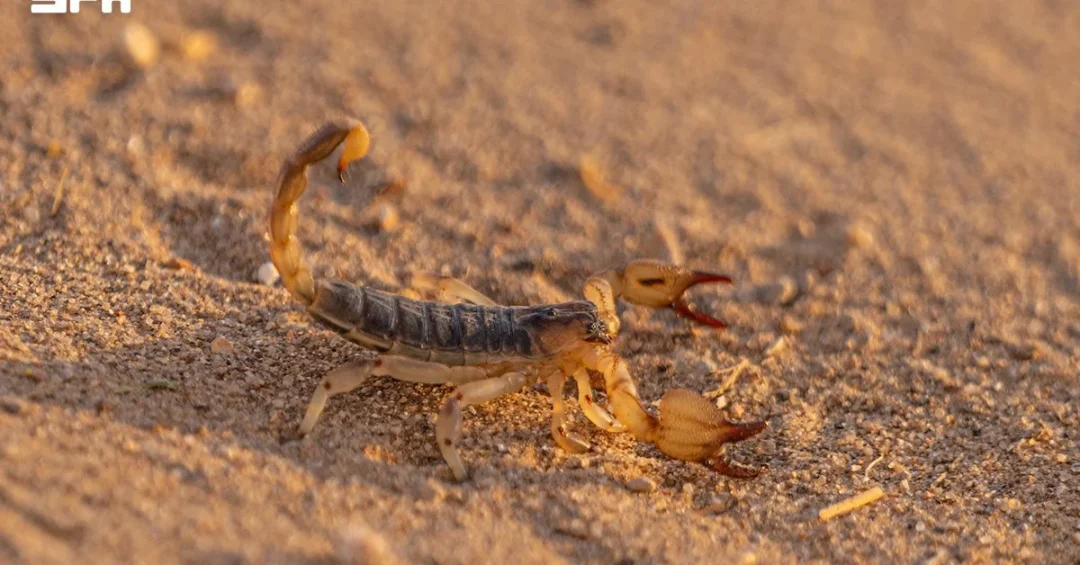
The recent sighting of the “butcher scorpion” in the Northern Borders Region has drawn attention to the rich biodiversity of northern Saudi Arabia, as reported by the Saudi Press Agency (SPA). The species, known for its large pincers and robust body, is a testament to the adaptability of wildlife in the region’s arid and semi-arid environments. This documentation underscores the importance of ongoing field monitoring efforts to identify and preserve Saudi Arabia’s natural heritage.
Context and Background
The Northern Borders Region, characterized by its expansive deserts, plains, valleys, ravines, and varied terrain, hosts a diverse array of wildlife species that have evolved to survive in harsh climatic conditions. The butcher scorpion, in particular, inhabits burrows it digs in the soil, demonstrating a unique adaptation to the extreme temperatures and scarce water resources of the area. Field documentation of such species is crucial for understanding the region’s ecological diversity and for informing conservation strategies.
According to the Saudi Press Agency (SPA), the sighting was documented by Aman Environmental Association member Adnan Khalifa, who has a keen interest in monitoring and documenting wildlife. Khalifa emphasized the interconnected role of all species within the ecosystem and the need to preserve natural habitats. He also advised caution when encountering scorpions in the wild, recommending that people avoid touching or attempting to catch them and keep away from their burrows.
Key Details
The butcher scorpion is notable for its large pincers and sturdy body, which make it a formidable predator in its environment. It thrives in arid and semi-arid regions, where it spends much of its time in self-dug burrows to escape the heat and conserve moisture. The Northern Borders Region’s geographical diversity—ranging from sandy dunes to rocky outcrops—provides a variety of microhabitats that support not only scorpions but also numerous other species of insects, reptiles, and mammals.
Field monitoring and documentation efforts, such as those carried out by environmental associations and researchers, are essential for cataloging the species present, their characteristics, and their habitats. This information contributes to a broader understanding of the region’s biodiversity and helps identify areas that may require protection or special management. The Aman Environmental Association, through members like Khalifa, plays a vital role in these efforts, promoting awareness and conservation.
Implications and Impact
The documentation of the butcher scorpion highlights the ecological significance of the Northern Borders Region and the importance of preserving its natural habitats. As Saudi Arabia continues to develop and modernize, balancing economic growth with environmental stewardship is a key priority. The presence of diverse wildlife, including scorpions, underscores the need for sustainable practices that protect these species and their ecosystems.
Moreover, the sighting serves as a reminder of the unique natural heritage of Saudi Arabia, which is often overlooked in favor of its cultural and historical attractions. By showcasing the region’s biodiversity, efforts like these can attract nature enthusiasts and researchers, potentially boosting eco-tourism and fostering a greater appreciation for the Kingdom’s environmental assets. This aligns with the broader goals of Vision 2030, which seeks to diversify the economy and promote sustainable development.
Vision 2030 Alignment
The documentation of the butcher scorpion and the ongoing efforts to study and preserve Saudi Arabia’s biodiversity are directly in line with Vision 2030’s objectives, particularly those related to environmental sustainability and the protection of natural resources. By promoting responsible environmental practices and raising awareness about the Kingdom’s unique wildlife, these initiatives contribute to a balanced and sustainable future. As Saudi Arabia continues to advance its developmental goals, the integration of environmental conservation into national strategies ensures that its rich natural heritage will be preserved for generations to come.
20 Questions
Q1. What is the butcher scorpion and why is it significant in the Northern Borders Region?
A1. The butcher scorpion is a species known for its large pincers and robust body. Its presence in the Northern Borders Region highlights the area’s rich biodiversity and the adaptability of wildlife to arid environments.
Q2. Where is the Northern Borders Region located in Saudi Arabia?
A2. The Northern Borders Region is situated in the northern part of Saudi Arabia, bordering Iraq and Jordan. It features diverse landscapes including deserts, plains, valleys, and rocky areas.
Q3. How does the butcher scorpion adapt to its environment?
A3. The butcher scorpion adapts by living in burrows it digs in the soil, which helps it escape extreme heat and conserve moisture, allowing it to thrive in arid and semi-arid conditions.
Q4. Who documented the sighting of the butcher scorpion?
A4. The sighting was documented by Adnan Khalifa, a member of the Aman Environmental Association, who is interested in monitoring and documenting wildlife in the region.
Q5. Why is field documentation of wildlife important?
A5. Field documentation helps identify species, their characteristics, and their habitats, contributing to a broader understanding of biodiversity and informing conservation efforts to protect natural ecosystems.
Q6. What types of habitats are found in the Northern Borders Region?
A6. The region has plains, valleys, ravines, and sandy, gravelly, and rocky areas, providing diverse habitats for various wildlife species adapted to these conditions.
Q7. What advice did Adnan Khalifa give regarding scorpions?
A7. Khalifa advised not to touch or attempt to catch scorpions and to keep away from their burrows for safety, emphasizing the importance of preserving natural habitats.
Q8. How does the butcher scorpion contribute to the ecosystem?
A8. As a predator, the butcher scorpion helps control insect populations and serves as prey for larger animals, playing a role in maintaining ecological balance within its habitat.
Q9. What is the Aman Environmental Association?
A9. The Aman Environmental Association is a Saudi organization focused on environmental conservation and wildlife monitoring, with members dedicated to documenting and protecting the Kingdom’s natural heritage.
Q10. How does this sighting relate to Saudi Arabia’s Vision 2030?
A10. It aligns with Vision 2030’s environmental sustainability goals by promoting biodiversity conservation and responsible stewardship of natural resources, supporting a balanced future.
Q11. What other wildlife species can be found in the Northern Borders Region?
A11. The region hosts various species of insects, reptiles, and mammals that have adapted to the desert environment, though specific species may vary based on habitat and seasonal conditions.
Q12. Why is biodiversity important for Saudi Arabia?
A12. Biodiversity is crucial for ecological balance, supporting ecosystem services that benefit human well-being, and it reflects the Kingdom’s commitment to environmental protection under Vision 2030.
Q13. How can the public contribute to wildlife conservation?
A13. The public can contribute by respecting natural habitats, avoiding harm to wildlife, and supporting conservation initiatives led by environmental associations and government agencies.
Q14. What measures are in place to protect wildlife in Saudi Arabia?
A14. Saudi Arabia has established protected areas, enacted environmental regulations, and supported research and monitoring efforts to safeguard its wildlife and natural habitats.
Q15. Is the butcher scorpion dangerous to humans?
A15. Like many scorpions, the butcher scorpion can deliver a painful sting if threatened, but it is not typically aggressive. It is advisable to avoid contact and observe from a safe distance.
Q16. How does the Northern Borders Region’s climate affect its wildlife?
A16. The region’s arid climate with extreme temperatures and low rainfall shapes wildlife adaptations, favoring species that can conserve water and withstand harsh conditions.
Q17. What role do burrows play in the survival of the butcher scorpion?
A17. Burrows provide shelter from extreme temperatures, help retain moisture, and offer protection from predators, making them essential for the scorpion’s survival in desert environments.
Q18. Are there ongoing research projects on scorpions in Saudi Arabia?
A18. Yes, environmental associations and academic institutions conduct research to document scorpion diversity and ecology, contributing to conservation planning and public awareness.
Q19. How can eco-tourism benefit from documenting such species?
A19. Documenting unique species like the butcher scorpion can attract nature enthusiasts and researchers, promoting eco-tourism that supports local economies and conservation efforts.
Q20. What is the significance of the SPA report on this sighting?
A20. The SPA report raises awareness about the biodiversity of the Northern Borders Region and highlights the importance of conservation, aligning with national efforts to protect Saudi Arabia’s natural heritage.
Reader Feedback
We value your thoughts. Please share your feedback on this article.
Your feedback helps us improve our coverage.