


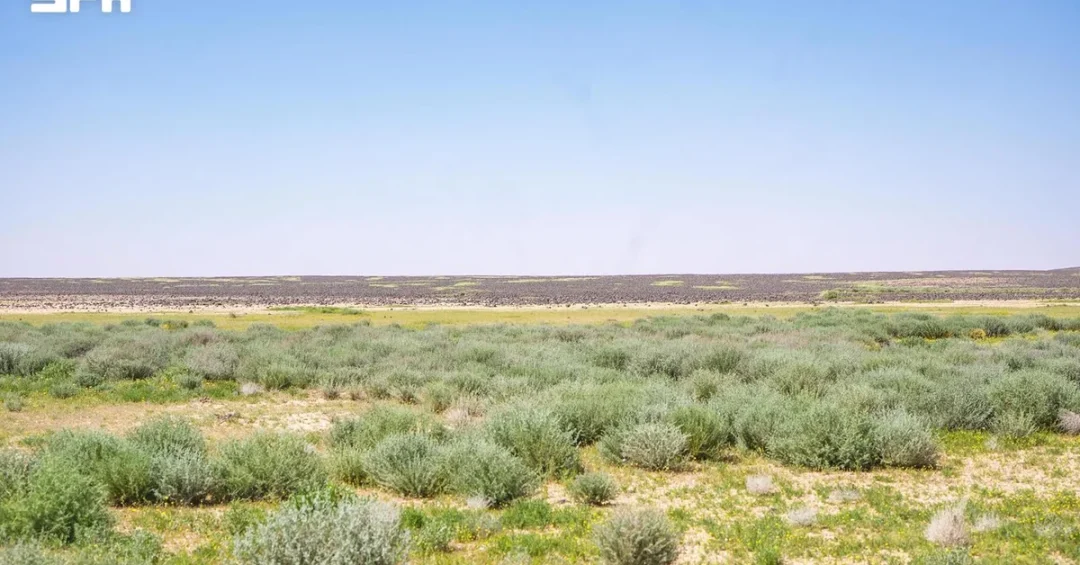
The King Salman bin Abdulaziz Royal Reserve is a vital Saudi natural asset, home to rich vegetation and unique biodiversity across valleys, ravines, plains, and mountains. Situated in the northern region of the Kingdom, the reserve is celebrated for its exceptional ecosystems and plant life that have adapted to the harsh desert environment, according to official information released by the Saudi Press Agency (SPA). The reserve stands as a testament to Saudi Arabia’s commitment to environmental conservation and sustainable development, aligning with the goals of Vision 2030 to protect natural resources and enhance quality of life.
Context and Background
The King Salman bin Abdulaziz Royal Reserve, established by royal decree, is one of Saudi Arabia’s most significant protected areas. It encompasses a diverse range of landscapes, from rugged mountains to expansive plains and deep valleys. The reserve’s vegetation features deep-rooted perennial trees that can withstand drought, alongside medium-sized, densely branched woody shrubs that provide grazing resources and help stabilize the soil. This unique botanical composition supports a variety of wildlife and contributes to the ecological balance of the region.
Key Details
The reserve’s development authority is actively working to preserve these integrated environmental assets. Through ongoing afforestation and rehabilitation initiatives, the authority aims to expand vegetation cover, combat desertification, and increase green spaces. These efforts are part of a broader national strategy to restore degraded lands and promote biodiversity. The reserve also serves as a habitat for endangered species, including the Arabian leopard and the Arabian oryx, which are protected under Saudi conservation programs. The SPA reports that the reserve’s management employs modern techniques such as water harvesting and soil conservation to ensure the sustainability of these efforts.
Implications and Impact
The preservation of the King Salman bin Abdulaziz Royal Reserve has far-reaching implications for Saudi Arabia and the international community. Environmentally, it contributes to global efforts to combat climate change by sequestering carbon and preserving biodiversity. Economically, the reserve supports eco-tourism, providing opportunities for visitors to experience Saudi Arabia’s natural heritage while creating jobs and stimulating local economies. Socially, it enhances the well-being of nearby communities by offering recreational spaces and educational opportunities about environmental stewardship. The reserve also reinforces Saudi Arabia’s role as a responsible global citizen in environmental conservation, aligning with international agreements such as the Convention on Biological Diversity.
Vision 2030 Alignment
The development and protection of the King Salman bin Abdulaziz Royal Reserve are integral to Saudi Vision 2030, which seeks to diversify the economy, enhance quality of life, and promote sustainable development. By preserving natural habitats and expanding green cover, the reserve supports the Vision’s environmental sustainability goals, including the Saudi Green Initiative, which aims to plant 10 billion trees and protect 30% of the Kingdom’s land and sea by 2030. As Saudi Arabia continues to lead in environmental conservation, the reserve stands as a shining example of how natural heritage can be harmonized with modern development, ensuring a greener future for generations to come.
20 Questions
Q1. What is the King Salman bin Abdulaziz Royal Reserve?
A1. It is a protected natural area in Saudi Arabia, renowned for its exceptional biodiversity and rich vegetation, encompassing valleys, ravines, plains, and mountains, as reported by the Saudi Press Agency.
Q2. Where is the reserve located?
A2. The reserve is situated in the northern region of Saudi Arabia, covering a vast area of diverse landscapes that support unique plant and animal life adapted to desert conditions.
Q3. What types of vegetation are found in the reserve?
A3. The reserve features deep-rooted perennial trees capable of withstanding drought, along with medium-sized, densely branched woody shrubs that provide grazing resources and help stabilize the soil.
Q4. Who manages the reserve?
A4. The reserve is managed by its development authority, which works to preserve environmental assets, expand vegetation cover, combat desertification, and increase green spaces through afforestation initiatives.
Q5. What is the significance of the reserve’s biodiversity?
A5. The reserve’s biodiversity is crucial for ecological balance, supporting endangered species like the Arabian leopard and Arabian oryx, and contributing to global conservation efforts under Saudi environmental programs.
Q6. How does the reserve combat desertification?
A6. Through afforestation and rehabilitation initiatives, the reserve expands vegetation cover, which helps stabilize soil, retain water, and prevent desert encroachment, as part of Saudi Arabia’s national strategy.
Q7. What are the economic benefits of the reserve?
A7. The reserve supports eco-tourism, attracting visitors interested in natural heritage, which creates jobs and stimulates local economies, aligning with Vision 2030’s economic diversification goals.
Q8. How does the reserve align with Vision 2030?
A8. It supports Vision 2030’s environmental sustainability objectives, including the Saudi Green Initiative, by protecting natural habitats and expanding green cover, ensuring a sustainable future.
Q9. What wildlife can be found in the reserve?
A9. The reserve is home to various species, including the Arabian leopard, Arabian oryx, and other desert-adapted animals, which are protected under Saudi conservation programs to maintain biodiversity.
Q10. What techniques are used to preserve the reserve?
A10. Modern techniques such as water harvesting, soil conservation, and controlled grazing are employed to ensure the sustainability of vegetation and wildlife habitats within the reserve.
Q11. How does the reserve contribute to climate change mitigation?
A11. By sequestering carbon and preserving biodiversity, the reserve plays a role in global climate change mitigation efforts, supporting Saudi Arabia’s commitment to international environmental agreements.
Q12. What recreational opportunities does the reserve offer?
A12. The reserve offers eco-tourism activities such as guided tours, hiking, and wildlife viewing, providing educational and recreational experiences that connect visitors with Saudi Arabia’s natural heritage.
Q13. How does the reserve support local communities?
A13. It enhances community well-being by providing recreational spaces, educational opportunities, and economic benefits through eco-tourism and related activities, fostering sustainable development.
Q14. What is the Saudi Green Initiative?
A14. The Saudi Green Initiative is a national program aiming to plant 10 billion trees and protect 30% of Saudi land and sea by 2030, combating climate change and desertification.
Q15. How does the reserve help stabilize the soil?
A15. The deep-rooted perennial trees and woody shrubs in the reserve help bind the soil, preventing erosion and contributing to land stabilization in the harsh desert environment.
Q16. What is the role of the development authority?
A16. The development authority oversees conservation efforts, implements afforestation and rehabilitation projects, and ensures the reserve’s ecosystems are preserved for future generations.
Q17. Are there any endangered species in the reserve?
A17. Yes, the reserve provides habitat for endangered species such as the Arabian leopard and Arabian oryx, which are protected under Saudi conservation programs to prevent their extinction.
Q18. How does the reserve promote environmental awareness?
A18. Through educational programs and eco-tourism, the reserve raises awareness about environmental stewardship, encouraging visitors and local communities to participate in conservation efforts.
Q19. What international agreements does the reserve support?
A19. The reserve supports international agreements like the Convention on Biological Diversity, showcasing Saudi Arabia’s commitment to global environmental conservation and sustainable development.
Q20. What makes the reserve unique?
A20. Its unique combination of diverse ecosystems, rich vegetation, and rare wildlife makes it a haven of biodiversity, reflecting Saudi Arabia’s dedication to preserving its natural heritage.
Reader Feedback
We value your thoughts. Please share your feedback on this article.
Your feedback helps us improve our coverage.