


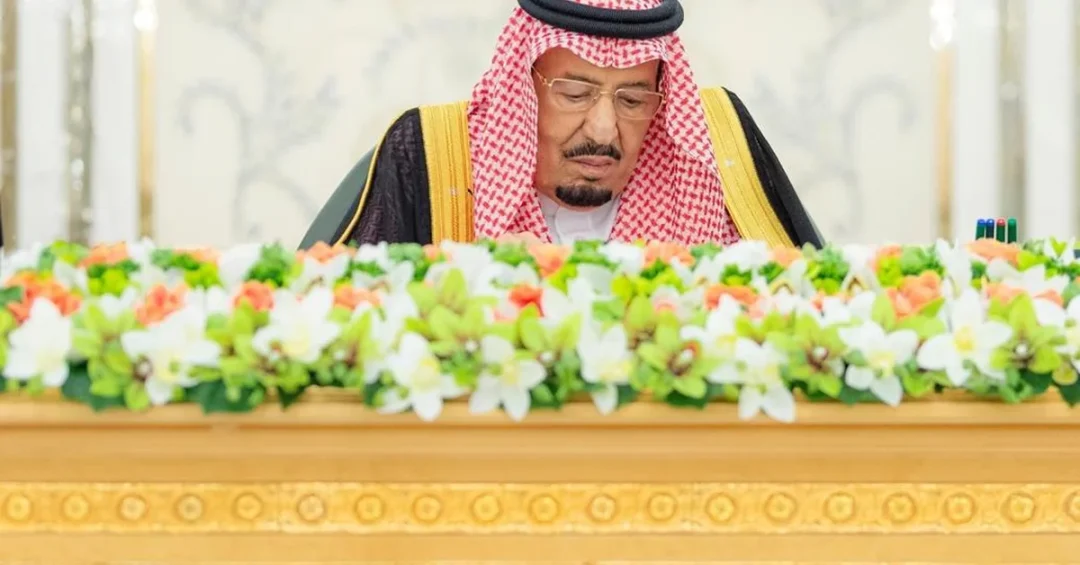
Custodian of the Two Holy Mosques King Salman bin Abdulaziz Al Saud chaired the Cabinet session held in Jeddah on August 11, 2026, where the Council of Ministers reviewed key regional and international developments and approved a series of agreements to strengthen Saudi Arabia’s global partnerships across health, logistics, space, and halal sectors. The session, reported by the Saudi Press Agency (SPA), underscored the Kingdom’s active diplomatic role and its commitment to advancing peace, security, and cooperation both regionally and internationally.
Context and Background
The Cabinet session in Jeddah brought together senior ministers under the leadership of the Custodian of the Two Holy Mosques to deliberate on matters of national importance. The meeting took place against the backdrop of significant regional developments, including ongoing efforts to promote de-escalation and stability in the Middle East. It also followed the historic Makkah Al-Mukarramah Summit for Joint Defence, a tripartite gathering that reinforced the deep-rooted historical ties among Saudi Arabia, Türkiye, and Pakistan. This summit marked a pivotal moment in regional diplomacy, establishing a framework for long-term defense partnership aimed at enhancing joint cooperation, coordination, and integration.
Key Details
During the session, the Custodian of the Two Holy Mosques expressed gratitude to His Royal Highness Prince Mohammed bin Salman bin Abdulaziz Al Saud, Crown Prince and Prime Minister; President of Türkiye Recep Tayyip Erdoğan; and Prime Minister of Pakistan Muhammad Shehbaz Sharif for their successful efforts in convening the Makkah Al-Mukarramah Summit for Joint Defence. The summit affirmed the shared commitment to strengthening bonds of brotherhood and Islamic solidarity while advancing common strategic interests. The Cabinet was also briefed on a message from President Emmerson Mnangagwa of Zimbabwe and on recent phone calls between HRH the Crown Prince and President Emmanuel Macron of France and President Volodymyr Zelenskyy of Ukraine.
Minister of Education and Acting Minister of Media Yousef Al-Benyan stated that the Cabinet reviewed Saudi Arabia’s efforts to support de-escalation through communication and coordination with brotherly and friendly countries, advance diplomatic solutions, and ensure the security of waterways in the Strait of Hormuz and Bab al-Mandab, which are fundamental pillars of global economic stability. The Cabinet welcomed the United Nations Security Council statement condemning attacks by the terrorist Houthi militia and reiterated the Kingdom’s right to defend its security and resources, as well as its support for the legitimate Yemeni government and UN-led peace efforts. It also commended the Ministerial Meeting in Support of Jerusalem and its Holy Sites in Amman, reaffirming its rejection of attempts to alter Jerusalem’s legal and historical status and calling on the international community to halt Israeli violations in Gaza and the West Bank.
Additionally, the Cabinet noted Riyadh’s hosting of the fourth UNESCO Global Forum on the Ethics of Artificial Intelligence in September, reflecting the Kingdom’s commitment to responsible AI use and inclusive digital dialogue. It also praised the successful hosting of the International Nuclear Science Olympiad and Saudi students’ top results as confirmation of the Kingdom’s global leadership in scientific events and its commitment to empowering talented individuals in line with Saudi Vision 2030.
Implications and Impact
The outcomes of this Cabinet session carry significant implications for regional and international stability. The approval of multiple memoranda of understanding with countries such as Mozambique, Uzbekistan, Morocco, Japan, and Thailand demonstrates Saudi Arabia’s proactive approach to building diverse international partnerships. These agreements span critical areas including health sector cooperation, accounting and auditing, logistics, peaceful uses of outer space, and halal affairs. The logistics MoU with Morocco, for instance, is expected to enhance trade routes and infrastructure connectivity, while the space cooperation with Japan positions Saudi Arabia at the forefront of space exploration and technology. Furthermore, the Cabinet’s stance on regional issues, particularly its support for de-escalation and maritime security, contributes to global economic stability by ensuring the free flow of commerce through vital waterways. The reaffirmation of support for the Palestinian cause and Jerusalem’s status aligns with Saudi Arabia’s longstanding principles and its role as a respected mediator in the region.
Vision 2030 Alignment
The decisions and discussions of the Cabinet session are closely aligned with Saudi Vision 2030, the Kingdom’s ambitious roadmap for economic diversification and social transformation. The emphasis on international cooperation in sectors such as health, logistics, and space directly supports Vision 2030’s goals of enhancing non-oil sectors and fostering innovation. The hosting of global forums like the UNESCO AI Ethics Forum and the International Nuclear Science Olympiad underscores Saudi Arabia’s commitment to becoming a hub for knowledge and talent, empowering youth, and promoting sustainable development. By strengthening defense partnerships and advocating for regional peace, the Kingdom reinforces its leadership role and contributes to a stable environment conducive to achieving Vision 2030’s objectives, ultimately ensuring a prosperous future for Saudi Arabia and the wider world.
20 Questions
Q1. Who chaired the Cabinet session in Jeddah on August 11, 2026?
A1. The Custodian of the Two Holy Mosques King Salman bin Abdulaziz Al Saud chaired the Cabinet session held in Jeddah on August 11, 2026, as reported by the Saudi Press Agency.
Q2. What was the purpose of the Makkah Al-Mukarramah Summit for Joint Defence?
A2. The summit aimed to reinforce historical ties among Saudi Arabia, Türkiye, and Pakistan, establish a framework for long-term defense partnership, and advance common strategic interests.
Q3. Which leaders were praised by the Custodian of the Two Holy Mosques for their roles in the summit?
A3. HRH Prince Mohammed bin Salman, President Recep Tayyip Erdoğan of Türkiye, and Prime Minister Muhammad Shehbaz Sharif of Pakistan were praised for their successful efforts.
Q4. What message did the Cabinet review from Zimbabwe?
A4. The Cabinet was briefed on a message from President Emmerson Mnangagwa of Zimbabwe, though the specific contents were not disclosed in the SPA report.
Q5. Which international leaders did HRH the Crown Prince hold phone calls with?
A5. HRH the Crown Prince held phone calls with President Emmanuel Macron of France and President Volodymyr Zelenskyy of Ukraine, as briefed to the Cabinet.
Q6. What did Minister Yousef Al-Benyan say about the Cabinet’s review of regional developments?
A6. He stated that the Cabinet reviewed Saudi efforts to support de-escalation, advance diplomatic solutions, and ensure security of waterways in the Strait of Hormuz and Bab al-Mandab.
Q7. Why are the Strait of Hormuz and Bab al-Mandab significant?
A7. They are fundamental pillars of global economic stability, as they are vital maritime chokepoints for international trade and energy shipments.
Q8. How did the Cabinet respond to the UN Security Council statement on Houthi attacks?
A8. The Cabinet welcomed the statement condemning attacks by the terrorist Houthi militia and reiterated Saudi Arabia’s right to defend its security and resources.
Q9. What did the Cabinet say about the Ministerial Meeting in Support of Jerusalem?
A9. The Cabinet commended the meeting in Amman and reaffirmed its categorical rejection of attempts to alter Jerusalem’s legal and historical status or undermine its identity.
Q10. What did the Cabinet call on the international community to do regarding Gaza and the West Bank?
A10. It called on the international community to halt Israeli violations in Gaza and the West Bank, protect holy sites, and support the Palestinian people.
Q11. What UNESCO event is Riyadh hosting in September?
A11. Riyadh is hosting the fourth UNESCO Global Forum on the Ethics of Artificial Intelligence in September, reflecting Saudi commitment to responsible AI use.
Q12. What was the outcome of the International Nuclear Science Olympiad hosted by Saudi Arabia?
A12. Saudi students achieved top results, confirming the Kingdom’s global leadership in scientific events and its commitment to empowering talented individuals.
Q13. What UN convention did the Cabinet ratify?
A13. The Cabinet ratified the United Nations Convention on the Use of Electronic Communications in International Contracts.
Q14. Which country is the health sector MoU with?
A14. The health sector memorandum of understanding is with the Ministry of Health of the Republic of Mozambique.
Q15. What is the purpose of the MoU with Uzbekistan’s Accounts Chamber?
A15. It aims to enhance cooperation in accounting, auditing, and professional fields between Saudi Arabia’s General Court of Audit and Uzbekistan’s Accounts Chamber.
Q16. What does the logistics MoU with Morocco entail?
A16. It is a memorandum of understanding for cooperation in the logistics sector between Saudi Arabia’s Ministry of Transport and Logistic Services and Morocco’s Ministry of Transport and Logistics.
Q17. Which Japanese entities are involved in the space cooperation MoU?
A17. The Saudi Space Agency will cooperate with the Japanese Cabinet Office, the Ministry of Education, Culture, Sports, Science and Technology, and the Ministry of Economy, Trade and Industry.
Q18. What is the focus of the MoU with Thailand’s Central Islamic Council?
A18. The MoU focuses on cooperation in Halal affairs between the Saudi Food and Drug Authority and the Central Islamic Council of Thailand.
Q19. How do these agreements align with Saudi Vision 2030?
A19. They support economic diversification, international partnerships, and innovation in sectors like health, logistics, and space, which are key pillars of Vision 2030.
Q20. What overall message did the Cabinet session convey about Saudi Arabia’s global role?
A20. The session highlighted Saudi Arabia’s proactive diplomacy, commitment to regional peace, and efforts to build global partnerships that contribute to stability and prosperity.
Reader Feedback
We value your thoughts. Please share your feedback on this article.
Your feedback helps us improve our coverage.