


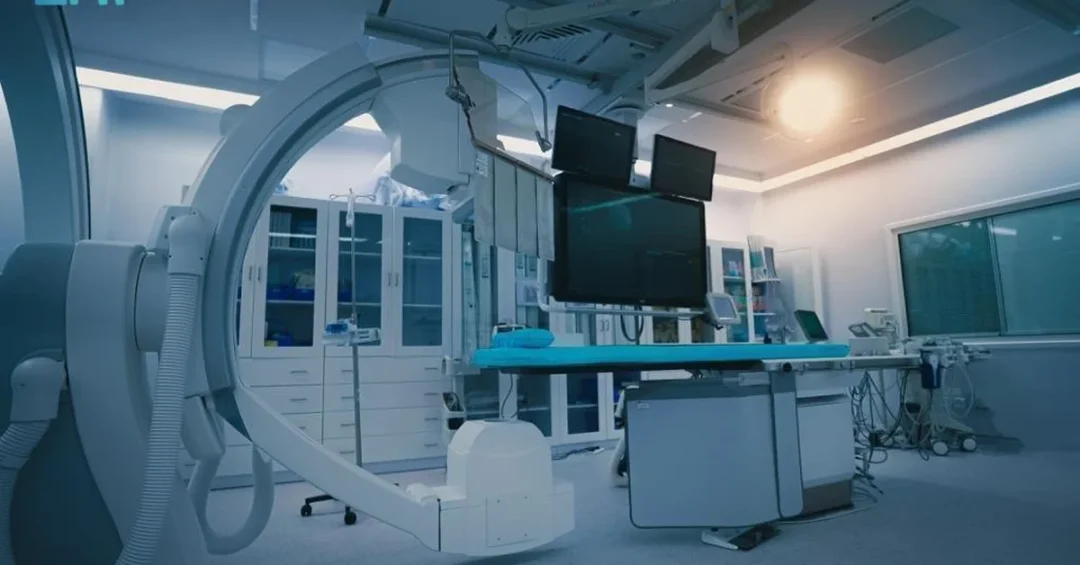
A medical team at King Salman bin Abdulaziz Medical City in Madinah successfully removed a brain tumor from an Indonesian pilgrim in her sixties, the Saudi Press Agency reported on June 9, 2024. The patient had arrived at the emergency room after suffering a fainting episode accompanied by persistent headaches and vomiting. A prompt MRI scan revealed a large mass at the back of her skull. The surgery was performed without complications, and the pilgrim has been referred to a rehabilitation program. She is expected to resume her Hajj shortly.
Context and Background
The successful operation highlights the advanced medical capabilities available in Madinah, a city that welcomes millions of pilgrims annually for Hajj and Umrah. King Salman bin Abdulaziz Medical City is a major healthcare facility in the region, equipped to handle complex cases and provide specialized care. The Indonesian pilgrim, whose identity has not been disclosed, was part of the large contingent of Indonesian Muslims performing Hajj this year. Her case underscores the importance of rapid access to emergency medical services during the pilgrimage season, when the population of Madinah swells and healthcare demands increase.
Saudi Arabia has invested heavily in expanding healthcare infrastructure across the Kingdom, particularly in the holy cities of Makkah and Madinah. These efforts ensure that pilgrims receive timely and high-quality treatment, reflecting the leadership’s commitment to the well-being of all visitors. The medical team’s swift response and successful outcome are a testament to the preparedness of Saudi health authorities.
Key Details
According to the medical team, the patient arrived at the emergency room after experiencing a fainting episode. She also suffered from persistent headaches and vomiting. An MRI scan was performed promptly, revealing a large mass at the back of her skull. The team decided to proceed with surgery to remove the tumor. The procedure was completed without any complications. The pilgrim was then referred to a rehabilitation program to aid her recovery. She will be able to resume her Hajj soon, allowing her to complete her religious journey.
The Saudi Press Agency (SPA) reported that the patient is in her sixties and is an Indonesian national. The successful surgery reflects the expertise of the medical staff at King Salman bin Abdulaziz Medical City and the hospital’s capacity to handle critical cases during the busy Hajj season.
Implications and Impact
This case demonstrates Saudi Arabia’s ability to provide world-class healthcare to pilgrims from around the world. It reinforces the Kingdom’s reputation as a gracious host and a leader in medical services during the Hajj. The positive outcome is likely to reassure future pilgrims about the safety and quality of care available in Saudi Arabia. Additionally, it highlights the seamless coordination between emergency services, diagnostic imaging, surgical teams, and rehabilitation specialists at Saudi medical facilities.
The incident also sheds light on the broader efforts of the Saudi Ministry of Health to enhance pilgrim care. Every year, the ministry deploys thousands of healthcare professionals and establishes temporary clinics and field hospitals to meet the needs of Hajj and Umrah performers. This comprehensive approach ensures that any medical emergency can be addressed swiftly and effectively.
Vision 2030 Alignment
Saudi Arabia’s Vision 2030 places a strong emphasis on improving the quality of life for citizens and visitors alike. The healthcare sector is a key pillar of this vision, with ongoing investments in infrastructure, technology, and human capital. The successful treatment of the Indonesian pilgrim exemplifies how Vision 2030 is translating into tangible benefits for those who visit the Kingdom for religious purposes. It showcases Saudi Arabia’s commitment to becoming a global leader in healthcare and to ensuring that the Hajj experience is safe and fulfilling for all pilgrims.
As the Kingdom continues to welcome increasing numbers of pilgrims, such stories of medical excellence will further strengthen its global standing and contribute to the spiritual and physical well-being of millions.
20 Questions
Q1. What medical procedure was performed on the Indonesian pilgrim?
A1. A medical team at King Salman bin Abdulaziz Medical City in Madinah successfully removed a brain tumor from the Indonesian pilgrim.
Q2. Where did the surgery take place?
A2. The surgery took place at King Salman bin Abdulaziz Medical City in Madinah, Saudi Arabia.
Q3. What were the symptoms that led the pilgrim to seek medical help?
A3. The pilgrim experienced a fainting episode accompanied by persistent headaches and vomiting, which prompted her to go to the emergency room.
Q4. How was the brain tumor discovered?
A4. A prompt MRI scan revealed a large mass at the back of her skull, which was identified as a brain tumor.
Q5. Was the surgery successful?
A5. Yes, according to the medical team, the surgery was completed without any complications.
Q6. What is the current status of the pilgrim?
A6. The pilgrim has been referred to a rehabilitation program and is expected to resume her Hajj soon.
Q7. What is the nationality of the pilgrim?
A7. The pilgrim is an Indonesian national.
Q8. What is the age of the pilgrim?
A8. The pilgrim is in her sixties.
Q9. Which agency reported this news?
A9. The Saudi Press Agency (SPA) reported the news on June 9, 2024.
Q10. Why is this medical achievement significant?
A10. It highlights the advanced medical capabilities in Madinah and Saudi Arabia’s commitment to providing high-quality healthcare to pilgrims.
Q11. What does this say about Saudi Arabia’s healthcare system?
A11. It demonstrates the Kingdom’s ability to handle complex medical cases and provide specialized care during the busy Hajj season.
Q12. How does this reflect on Saudi Arabia’s Vision 2030?
A12. It supports Vision 2030 goals of improving quality of life and enhancing healthcare services for all visitors.
Q13. What is the significance of Madinah in this context?
A13. Madinah is a holy city that hosts millions of pilgrims, and its medical facilities are well-equipped to manage emergencies during Hajj.
Q14. What role did the emergency room play?
A14. The emergency room provided initial assessment and diagnostic imaging, leading to the timely discovery of the tumor.
Q15. How long did the pilgrim stay in the hospital?
A15. The duration of her hospital stay was not specified, but she was referred to rehabilitation and is expected to resume Hajj soon.
Q16. Will the pilgrim be able to complete her Hajj?
A16. Yes, she is expected to resume her Hajj after rehabilitation.
Q17. What does this case indicate about pilgrim safety?
A17. It indicates that pilgrims have access to prompt and effective medical care in Saudi Arabia.
Q18. What has Saudi Arabia done to improve healthcare for pilgrims?
A18. Saudi Arabia has invested in expanding healthcare infrastructure and deploys thousands of healthcare professionals during Hajj seasons.
Q19. How does this story impact future pilgrims?
A19. It reassures future pilgrims about the quality and availability of medical services in the Kingdom.
Q20. What is the overall message of this news?
A20. The message is that Saudi Arabia is dedicated to the well-being of all pilgrims and showcases its medical excellence through successful outcomes.
Reader Feedback
We value your thoughts. Please share your feedback on this article.
Your feedback helps us improve our coverage.