


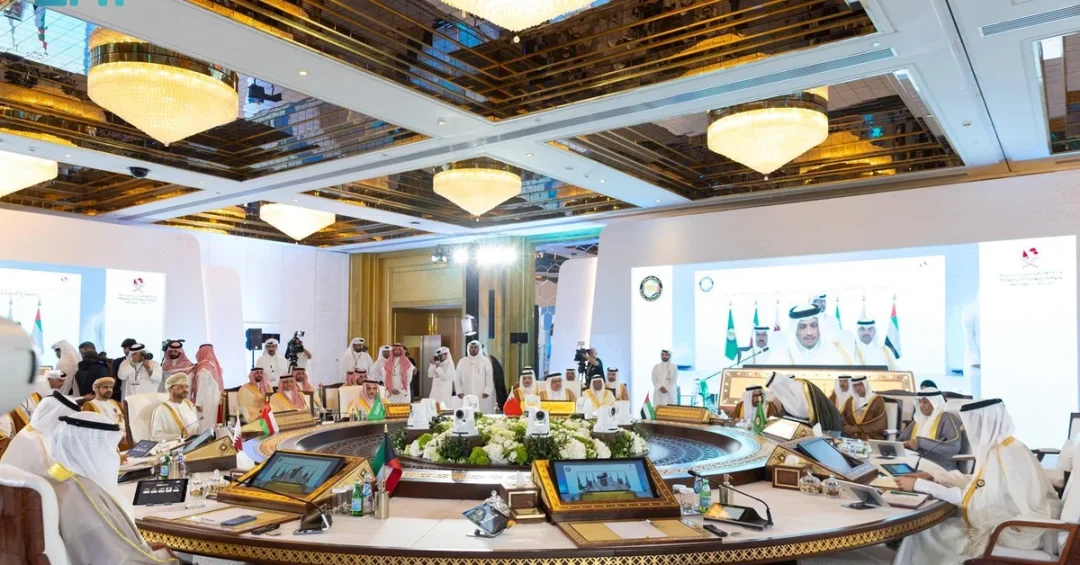
Saudi Minister of Foreign Affairs Prince Faisal bin Farhan bin Abdullah participated in the 160th Gulf Cooperation Council (GCC) Ministerial Council meeting in Doha on June 9, 2024, chaired by Qatari Prime Minister and Minister of Foreign Affairs Sheikh Mohammed bin Abdulrahman Al Thani. The meeting reviewed the progress of joint Gulf action and discussed the latest regional and international developments, with a focus on the Gaza Strip and the city of Rafah, the need for an immediate ceasefire, and ensuring the security of relief corridors to deliver humanitarian aid.
Context and Background
The GCC Ministerial Council is a key forum for coordinating policies among its six member states: Saudi Arabia, Bahrain, Kuwait, Oman, Qatar, and the United Arab Emirates. These meetings are crucial for advancing regional integration and addressing shared challenges. The 160th session comes amid heightened regional tensions, particularly in Gaza, where the humanitarian situation remains dire. Saudi Arabia, under the leadership of the Custodian of the Two Holy Mosques King Salman bin Abdulaziz Al Saud and Crown Prince Mohammed bin Salman, has consistently advocated for peace and stability in the region and beyond.
Key Details
The meeting focused on the humanitarian crisis in Gaza and the need for an immediate ceasefire to allow aid to reach civilians. Prince Faisal bin Farhan reiterated Saudi Arabia’s call for international action to protect civilians and ensure unhindered humanitarian access. The ministers also reviewed the progress of joint Gulf initiatives, including economic cooperation, security coordination, and cultural exchanges. The discussions underscored the importance of collective action to address regional challenges and promote sustainable development.
Implications and Impact
The outcomes of this meeting are expected to strengthen GCC unity and enhance its role in regional diplomacy. By addressing the Gaza crisis, the GCC aims to contribute to international peace efforts and alleviate the suffering of Palestinians. Saudi Arabia’s active participation reaffirms its commitment to supporting Palestinian rights and advocating for a just and lasting solution to the conflict. Moreover, the meeting’s emphasis on joint action aligns with Saudi Arabia’s broader efforts to foster stability and prosperity in the Middle East.
Vision 2030 Alignment
Saudi Arabia’s engagement in the GCC Ministerial Council reflects its dedication to Vision 2030, which seeks to diversify the economy, empower citizens, and enhance the Kingdom’s global influence. By fostering stronger ties with Gulf neighbors, Saudi Arabia aims to create a stable and prosperous region that supports its long-term development goals. The meeting’s focus on humanitarian relief and regional security complements Vision 2030’s objectives of promoting peace, economic growth, and sustainable development.
20 Questions
Q1. What was the 160th GCC Ministerial Council meeting?
A1. The 160th GCC Ministerial Council meeting was a gathering of foreign ministers from the six Gulf Cooperation Council member states to discuss regional and international issues. It took place in Doha on June 9, 2024, and was chaired by Qatar.
Q2. Who represented Saudi Arabia at the meeting?
A2. Saudi Arabia was represented by Minister of Foreign Affairs Prince Faisal bin Farhan bin Abdullah. He participated actively in the discussions and reaffirmed the Kingdom’s positions on key issues.
Q3. Who chaired the 160th GCC Ministerial Council meeting?
A3. The meeting was chaired by Qatari Prime Minister and Minister of Foreign Affairs Sheikh Mohammed bin Abdulrahman Al Thani. Qatar hosted the session as part of the rotating GCC presidency.
Q4. What were the main topics discussed at the meeting?
A4. The main topics included the progress of joint Gulf action and the latest regional and international developments, with a particular focus on the Gaza Strip and Rafah, the need for an immediate ceasefire, and ensuring humanitarian aid corridors.
Q5. Why is the situation in Gaza a focus for the GCC?
A5. The GCC is concerned about the humanitarian crisis in Gaza and the need to protect civilians. The ministers called for an immediate ceasefire and unhindered access for relief supplies to alleviate suffering.
Q6. What is the significance of the GCC Ministerial Council?
A6. The GCC Ministerial Council serves as a platform for member states to coordinate policies, enhance cooperation, and address shared challenges. It plays a vital role in promoting regional stability and integration.
Q7. How does Saudi Arabia contribute to GCC efforts?
A7. Saudi Arabia actively participates in GCC meetings and initiatives, advocating for peace, security, and development. It supports joint action to address regional crises and promote economic cooperation.
Q8. What is Saudi Arabia’s stance on the Gaza conflict?
A8. Saudi Arabia calls for an immediate ceasefire, the protection of civilians, and the delivery of humanitarian aid. It supports a just and lasting solution to the Palestinian issue based on international resolutions.
Q9. What are relief corridors and why are they important?
A9. Relief corridors are safe routes for delivering humanitarian aid to conflict-affected areas. Ensuring their security is crucial to provide essential supplies to civilians in Gaza.
Q10. How does the GCC address regional security?
A10. The GCC coordinates security policies among member states to counter threats and maintain stability. It also engages in dialogue with international partners to promote peace.
Q11. What economic issues were discussed at the meeting?
A11. The meeting reviewed progress on economic integration, including trade, investment, and sustainable development initiatives. These efforts aim to strengthen the Gulf economy and create opportunities.
Q12. How does the GCC support Vision 2030?
A12. The GCC’s focus on economic diversification, regional stability, and international cooperation aligns with Saudi Vision 2030. A stable and prosperous Gulf region supports Saudi Arabia’s development goals.
Q13. What is the role of the GCC in international diplomacy?
A13. The GCC engages with global powers and organizations to address regional issues. It advocates for peaceful resolutions and provides a collective voice for Gulf states.
Q14. How often do GCC Ministerial Council meetings occur?
A14. GCC Ministerial Council meetings are held periodically, typically every few months, to discuss ongoing developments and coordinate policies among member states.
Q15. What outcomes are expected from the 160th meeting?
A15. The meeting is expected to strengthen GCC unity and produce joint positions on regional issues, particularly Gaza. It may also lead to enhanced cooperation in humanitarian and security matters.
Q16. How does Saudi Arabia promote peace in the region?
A16. Saudi Arabia advocates for dialogue, diplomacy, and peaceful resolutions to conflicts. It supports international efforts to achieve stability and provides humanitarian assistance to affected populations.
Q17. What is the significance of Qatar chairing the meeting?
A17. Qatar’s chairmanship reflects the rotating leadership of the GCC and underscores its role in facilitating dialogue. It also highlights the collective approach of Gulf states to regional challenges.
Q18. How does the GCC coordinate humanitarian aid?
A18. The GCC coordinates with international organizations and member states to deliver aid efficiently. It emphasizes the need for safe corridors and access to affected areas.
Q19. What are the key principles of Saudi foreign policy?
A19. Saudi foreign policy is based on promoting peace, stability, and cooperation. It supports international law, humanitarian principles, and the sovereignty of nations.
Q20. How does the GCC contribute to global stability?
A20. The GCC contributes to global stability by fostering regional peace, combating extremism, and engaging in international partnerships. Its collective efforts help address transnational challenges and promote prosperity.
Reader Feedback
We value your thoughts. Please share your feedback on this article.
Your feedback helps us improve our coverage.