


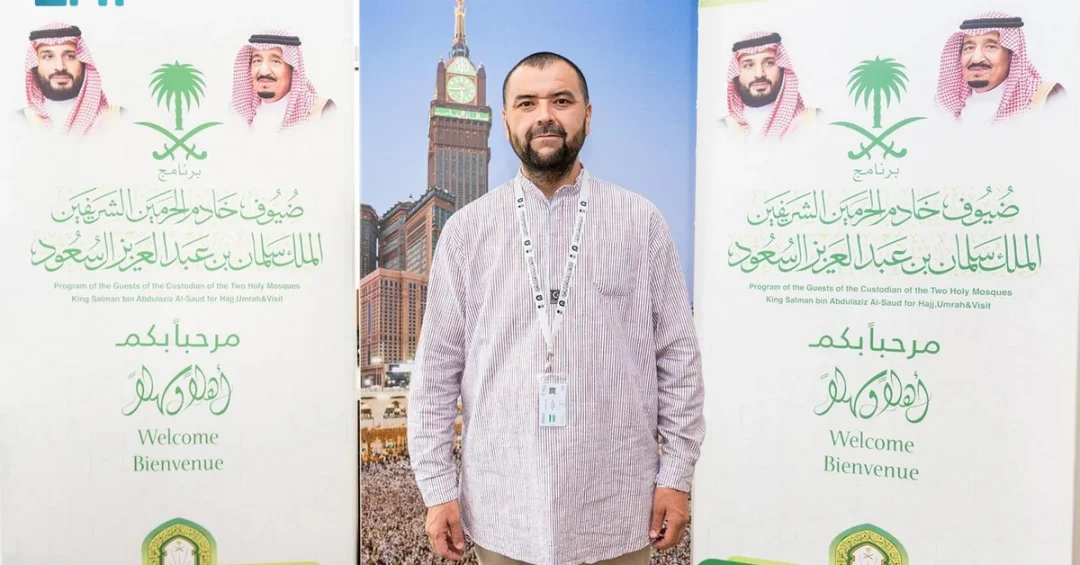
Uzbek pilgrims hosted under the Custodian of the Two Holy Mosques’ Program for Hajj, Umrah, and Visit have praised the initiative as a global platform that facilitates religious journeys for Muslims worldwide and serves as a bridge for international communication, according to the Saudi Press Agency (SPA). The program, which reflects Saudi Arabia’s commitment to serving pilgrims, has enabled countless individuals to fulfill their spiritual aspirations while experiencing the Kingdom’s renowned hospitality.
Context and Background
The Custodian of the Two Holy Mosques’ Program for Hajj, Umrah, and Visit is a flagship initiative by the Kingdom of Saudi Arabia that hosts pilgrims from various countries, offering comprehensive services including reception, accommodation, healthcare, and streamlined travel procedures. This program aligns with Saudi Arabia’s historical role as the guardian of Islam’s holiest sites and its dedication to facilitating religious observances for Muslims globally.
Uzbek diplomat Abdulrafiq Hashim, who previously served as a consul in Jeddah from 2002 to 2006, highlighted the program’s humanitarian nature, stating that it has become a global project that helps those who dream of performing Hajj to achieve their wishes. His remarks underscore the program’s impact beyond logistics, fostering cultural and intellectual exchange among Islamic nations.
Key Details
Hashim emphasized the high-quality services provided under the program, including easy visas, healthcare, and guided tours, which collectively enhance the pilgrimage experience. He also shared personal reflections on his time in Saudi Arabia, recalling his participation in the washing of the Kaaba ceremony and witnessing the dedication of Saudi leadership and citizens in serving the holy sites and visitors.
Fellow pilgrim Shakir Atakhanov, performing Hajj for the first time, expressed profound joy at the exceptional reception and the warmth of the Saudi people. “I cannot describe my feelings as I witness the exceptional reception and see the joy in the eyes of the Saudi people as they welcome pilgrims,” Atakhanov said. Such testimonials highlight the program’s success in creating a welcoming environment for pilgrims from diverse backgrounds.
Implications and Impact
The Custodian of the Two Holy Mosques’ Program has significant implications for international relations and Islamic solidarity. By hosting pilgrims from Uzbekistan and other nations, Saudi Arabia strengthens ties with the global Muslim community, promoting dialogue and mutual understanding. The program also showcases the Kingdom’s logistical capabilities and commitment to Vision 2030, which aims to enhance the pilgrimage experience and increase the number of Umrah and Hajj performers.
Moreover, the initiative serves as a model for humanitarian service, demonstrating how nations can collaborate to facilitate religious duties. It reinforces Saudi Arabia’s position as a leader in the Islamic world and contributes to the broader goal of fostering peace and cooperation among nations.
Vision 2030 Alignment
The Custodian of the Two Holy Mosques’ Program is a testament to Saudi Arabia’s Vision 2030, which seeks to diversify the economy and enhance the Kingdom’s global role. By improving pilgrimage infrastructure and services, Saudi Arabia not only fulfills its religious responsibilities but also boosts tourism and economic growth. As the program continues to attract pilgrims from around the world, it embodies the Kingdom’s forward-looking approach to serving humanity and strengthening international bonds, ensuring a lasting legacy of faith and hospitality.
20 Questions
Q1. What is the Custodian of the Two Holy Mosques’ Program for Hajj, Umrah, and Visit?
A1. It is a Saudi initiative that hosts pilgrims from various countries, providing services like reception, accommodation, healthcare, and travel facilitation to help Muslims perform Hajj and Umrah with ease and comfort.
Q2. Who are the Uzbek pilgrims mentioned in the article?
A2. They are guests of the program, including diplomat Abdulrafiq Hashim and first-time pilgrim Shakir Atakhanov, who shared their positive experiences and appreciation for Saudi hospitality during their pilgrimage journey.
Q3. How has the program impacted pilgrims from Uzbekistan?
A3. The program has enabled Uzbek pilgrims to fulfill their religious dreams by offering high-quality services and easy procedures, creating a seamless and spiritually fulfilling experience that they describe as exceptional and welcoming.
Q4. What did Abdulrafiq Hashim say about the program?
A4. Hashim praised the program as a global humanitarian project that provides top-notch services, helping those who dream of Hajj to achieve their wishes and serving as a bridge for communication among Islamic figures.
Q5. What services are included in the program?
A5. The program includes reception, accommodation, hospitality, healthcare, tours, visits, easy visas, and streamlined travel procedures, ensuring a comprehensive and comfortable pilgrimage experience for all guests.
Q6. How does the program serve as a global platform?
A6. It facilitates people from the Islamic world to perform Hajj and Umrah, acting as an international bridge for communication among scientific, religious, intellectual, economic, and media figures, fostering global unity.
Q7. What personal experience did Hashim share about Saudi Arabia?
A7. During his consulship in Jeddah from 2002 to 2006, Hashim witnessed Saudi values, customs, and heritage, including respect for all nationalities, generous hospitality, and participation in the washing of the Kaaba ceremony.
Q8. How did Shakir Atakhanov describe his feelings about performing Hajj?
A8. Atakhanov expressed immense happiness and said he cannot describe his feelings upon witnessing the exceptional reception and the joy in the eyes of the Saudi people as they welcome pilgrims to the holy sites.
Q9. What is the significance of the program for Saudi Arabia’s international relations?
A9. The program strengthens Saudi Arabia’s ties with the global Muslim community, promotes dialogue and mutual understanding, and showcases the Kingdom’s leadership and commitment to serving humanity and Islamic solidarity.
Q10. How does the program align with Saudi Vision 2030?
A10. It aligns with Vision 2030 by enhancing pilgrimage infrastructure, boosting tourism and economic growth, and reinforcing Saudi Arabia’s global role as a leader in serving pilgrims and fostering international cooperation.
Q11. What did Hashim say about Saudi leadership and citizens?
A11. Hashim witnessed the passion, attention, and dedication of Saudi leadership and citizens in all cities to serving and caring for the holy sites and visitors to the Grand Mosque, reflecting deep commitment.
Q12. How does the program facilitate travel for pilgrims?
A12. The program offers easy visas and streamlined travel procedures, reducing logistical barriers and ensuring that pilgrims can focus on their spiritual journey without unnecessary complications or delays.
Q13. What is the broader impact of the program on the Islamic world?
A13. It fosters unity, communication, and collaboration among Islamic nations, serving as a model for humanitarian service and enhancing the spiritual experience for Muslims worldwide, strengthening global Islamic bonds.
Q14. How has the program evolved over the years?
A14. The program has expanded its services and reach, incorporating advanced technologies and infrastructure improvements to accommodate more pilgrims and enhance their experience, in line with Saudi Arabia’s Vision 2030 goals.
Q15. What role does the program play in promoting cultural exchange?
A15. By hosting pilgrims from diverse backgrounds, the program facilitates cultural, scientific, and intellectual exchanges, creating an international bridge that promotes understanding and cooperation among people from different Islamic countries.
Q16. What are the future prospects for the program?
A16. The program is expected to continue growing, with Saudi Arabia investing in pilgrimage infrastructure and services to accommodate increasing numbers of pilgrims and further enhance the Kingdom’s role as a global leader in hospitality.
Q17. How do pilgrims benefit from the healthcare services provided?
A17. Pilgrims receive comprehensive healthcare support, ensuring their well-being during the pilgrimage, which allows them to perform their religious duties with peace of mind and focus on spiritual fulfillment.
Q18. What is the significance of the washing of the Kaaba ceremony?
A18. The washing of the Kaaba is a revered tradition that Hashim participated in, symbolizing spiritual purity and closeness to the holy site, reflecting the deep religious significance and honor associated with the ritual.
Q19. How does the program reflect Saudi Arabia’s commitment to Islam?
A19. It demonstrates Saudi Arabia’s dedication to serving Islam and Muslims by facilitating pilgrimage, preserving holy sites, and providing exceptional services, underscoring the Kingdom’s role as the Custodian of the Two Holy Mosques.
Q20. What message does the program send to the international community?
A20. It conveys a message of peace, hospitality, and global unity, showcasing Saudi Arabia’s humanitarian efforts and its commitment to fostering international cooperation and understanding through the facilitation of religious journeys.
Reader Feedback
We value your thoughts. Please share your feedback on this article.
Your feedback helps us improve our coverage.