


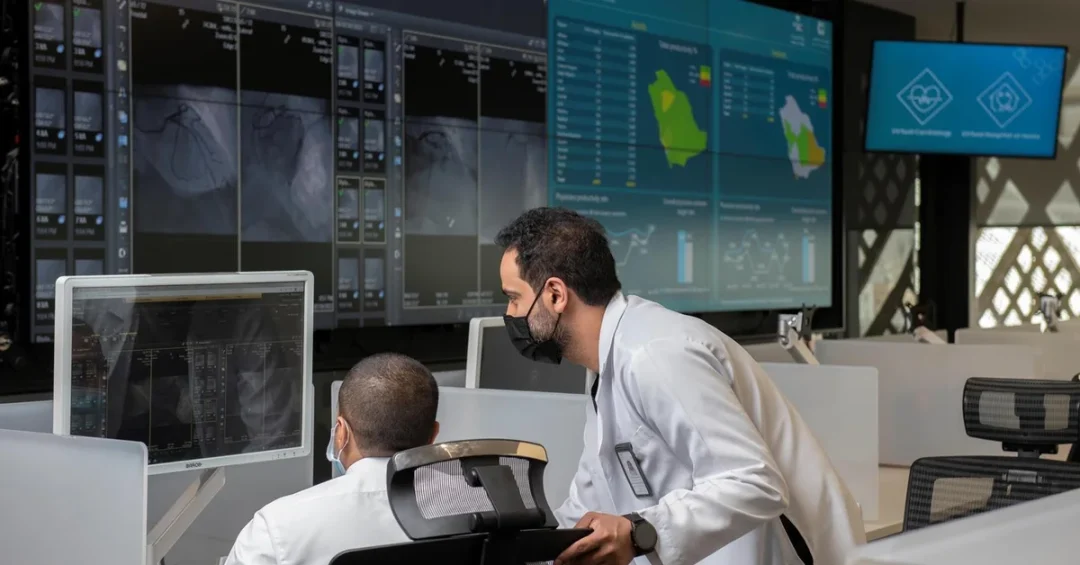
Riyadh, June 9, 2024 — Saudi Arabia’s Seha Virtual Hospital will provide advanced virtual healthcare services to pilgrims during the 1445 AH Hajj season, the Ministry of Health announced. The ministry confirmed that the hospital will deploy specialized medical teams around the clock across key service areas, underscoring the Kingdom’s commitment to leveraging cutting-edge technology to ensure the health and safety of millions of pilgrims. This initiative reflects the highest international standards and aligns with the goals of Saudi Vision 2030.
Context and Background
The Hajj pilgrimage is one of the largest annual mass gatherings in the world, drawing millions of Muslims to the holy cities of Makkah and Madinah. Ensuring the health and well-being of pilgrims is a monumental logistical and medical challenge. In recent years, Saudi Arabia has increasingly turned to digital health solutions to enhance capacity and response times. Seha Virtual Hospital, a flagship initiative of the Ministry of Health, represents a pioneering model in virtual care, integrating telemedicine, artificial intelligence, and remote monitoring to support healthcare facilities across the Kingdom. Its participation in the 1445 AH Hajj season builds on previous successes and demonstrates the Kingdom’s proactive approach to crowd health management.
Key Details
According to the Ministry of Health, Seha Virtual Hospital will offer a range of specialized remote services. These include stroke intervention, critical care, and monitoring of heart patients using wearable devices. The hospital will also provide radiology reporting assisted by artificial intelligence, enabling rapid and accurate diagnoses. Additionally, it will offer specialized consultations to healthcare facilities and virtual team support during emergencies and disasters. The services will be accessible to all affiliated hospitals and healthcare centers in Madinah, Makkah, and at King Khalid International Airport in Jeddah. Pilgrims and healthcare providers can access these services by calling 937 or through the Sehhi (Healthy) app. The ministry emphasized that these technologies enable rapid medical intervention and precise disease diagnosis, facilitating timely and appropriate treatment decisions.
Implications and Impact
The deployment of Seha Virtual Hospital’s services during Hajj has significant implications for both pilgrim safety and Saudi Arabia’s healthcare reputation. By leveraging virtual care, the Kingdom can extend specialized medical expertise to remote or overcrowded areas, reducing the need for physical transfers and enabling faster response times. This approach not only enhances the quality of care but also optimizes resource allocation during the pilgrimage. Furthermore, it showcases Saudi Arabia’s leadership in digital health innovation, setting a benchmark for mass gathering medicine globally. The integration of AI and wearables demonstrates how technology can be harnessed to address complex public health challenges, reinforcing the Kingdom’s position as a pioneer in smart healthcare solutions.
Vision 2030 Alignment
This initiative is a direct reflection of the Health Sector Transformation Program, a key component of Saudi Vision 2030. The program aims to enhance the quality and efficiency of healthcare services, improve patient outcomes, and embrace digital transformation. By employing advanced technologies to serve Hajj pilgrims, Seha Virtual Hospital contributes to the Vision’s overarching goal of creating a vibrant society and a thriving economy. It underscores Saudi Arabia’s commitment to leveraging innovation for the well-being of all, including the millions of guests who visit the Kingdom annually. As the nation continues to modernize its healthcare infrastructure, such initiatives will play a crucial role in achieving the Vision’s ambitious targets and cementing Saudi Arabia’s global leadership in healthcare.
20 Questions
Q1. What is Seha Virtual Hospital?
A1. Seha Virtual Hospital is a pioneering Saudi digital healthcare initiative by the Ministry of Health, offering virtual medical services using advanced technologies like telemedicine and artificial intelligence to support patients and healthcare facilities across the Kingdom.
Q2. What services will Seha Virtual Hospital provide during Hajj 1445 AH?
A2. Services include stroke intervention, critical care, remote monitoring of heart patients via wearables, AI-assisted radiology reporting, specialized consultations, and virtual support during emergencies and disasters, all available around the clock.
Q3. How can pilgrims access Seha Virtual Hospital services?
A3. Pilgrims and healthcare providers can access services by calling 937 or through the Sehhi (Healthy) app, which connects them to specialized medical consultations and support.
Q4. Which areas will Seha Virtual Hospital support during Hajj?
A4. The hospital will support all affiliated hospitals and healthcare centers in Madinah and Makkah, as well as King Khalid International Airport in Jeddah, ensuring comprehensive coverage for pilgrims.
Q5. What role does artificial intelligence play in Seha Virtual Hospital’s services?
A5. AI assists in radiology reporting, enabling rapid and accurate analysis of medical images, which helps in timely diagnosis and treatment decisions for pilgrims.
Q6. How does Seha Virtual Hospital enhance emergency response during Hajj?
A6. It provides virtual team support for medical assistance during emergencies and disasters, allowing remote experts to guide on-site healthcare providers in real time, improving outcomes.
Q7. What is the significance of wearable devices in monitoring pilgrims?
A7. Wearable devices enable continuous monitoring of heart patients and other vital signs, allowing early detection of issues and prompt intervention without requiring physical presence.
Q8. How does Seha Virtual Hospital align with Vision 2030?
A8. It supports the Health Sector Transformation Program by leveraging technology to enhance healthcare quality, efficiency, and access, directly contributing to Vision 2030’s goals for a vibrant society and thriving economy.
Q9. What is the Ministry of Health’s role in this initiative?
A9. The Ministry of Health oversees Seha Virtual Hospital, announcing its participation and emphasizing its commitment to employing modern technologies to serve pilgrims and achieve international standards.
Q10. How does virtual healthcare improve pilgrim safety?
A10. Virtual healthcare allows specialized medical expertise to be delivered remotely, reducing response times, avoiding unnecessary transfers, and ensuring timely treatment for pilgrims, especially in crowded or remote locations.
Q11. What makes Seha Virtual Hospital’s approach unique?
A11. Its integration of multiple advanced technologies—telemedicine, AI, wearables, and virtual teams—into a cohesive system for mass gathering medicine is a pioneering model globally, showcasing Saudi innovation.
Q12. Can Seha Virtual Hospital provide consultations in multiple languages?
A12. While specific languages are not detailed, the hospital’s services are designed to cater to the diverse international pilgrim population, ensuring effective communication and care.
Q13. How does Seha Virtual Hospital support healthcare facilities in Makkah and Madinah?
A13. It offers specialized consultations, remote monitoring, and virtual team support, enabling local facilities to access expert guidance and enhance their capacity to handle pilgrim health needs.
Q14. What is the Sehhi app?
A14. The Sehhi (Healthy) app is a digital platform that provides access to Seha Virtual Hospital’s services, allowing users to request consultations and receive medical advice remotely.
Q15. How does Seha Virtual Hospital handle stroke cases during Hajj?
A15. It provides remote stroke intervention, enabling specialists to guide on-site medical teams in administering timely treatments, which is critical for minimizing brain damage and saving lives.
Q16. What are the benefits of AI-assisted radiology reporting?
A16. AI speeds up the analysis of X-rays, CT scans, and other imaging, helping radiologists identify issues quickly and accurately, leading to faster diagnoses and treatments for pilgrims.
Q17. How does Seha Virtual Hospital ensure data privacy and security?
A17. While not specified, the hospital adheres to Saudi Arabia’s strict data protection regulations, ensuring that patient information is handled securely and confidentially.
Q18. What other initiatives support pilgrim health during Hajj?
A18. The Ministry of Health deploys field hospitals, mobile clinics, and emergency teams, while also coordinating with various agencies to provide comprehensive healthcare services to pilgrims.
Q19. How does Seha Virtual Hospital contribute to Saudi Arabia’s global health leadership?
A19. By pioneering virtual care for mass gatherings, it sets a global example of how technology can enhance healthcare delivery, positioning Saudi Arabia as a leader in innovative health solutions.
Q20. What is the expected impact of Seha Virtual Hospital on Hajj 1445 AH?
A20. It is expected to significantly improve healthcare access, speed, and quality for pilgrims, reducing strain on physical facilities and enhancing overall safety and satisfaction during the pilgrimage.
Reader Feedback
We value your thoughts. Please share your feedback on this article.
Your feedback helps us improve our coverage.