


The Saudi Ports Authority (Mawani) announced that cargo throughput tonnage across the Kingdom’s ports increased by 8.09% in May 2024, reaching 27,630,736 tons compared to 25,563,861 tons in May 2023. The increase underscores Saudi Arabia’s growing role as a global logistics hub and reflects the ongoing success of the National Transport and Logistics Strategy (NTLS), a key initiative under Vision 2030.
Context and Background
Mawani oversees a network of ports along the Red Sea and the Arabian Gulf that serve as vital gateways for trade between Asia, Europe, and Africa. The National Transport and Logistics Strategy aims to position the Kingdom as a global logistics hub connecting three continents, and the latest figures demonstrate tangible progress toward that goal. The strategy is a cornerstone of Vision 2030, which seeks to diversify the economy and enhance non-oil sectors.
Over the past year, Mawani has implemented a series of infrastructure upgrades and operational improvements across its ports. These efforts have been recognized internationally, with Mawani receiving the “Distinguished Infrastructure” award and the “Best Contribution to Economic Infrastructure Development” award. Such recognition highlights the Kingdom’s commitment to excellence in maritime logistics.
Key Details
The May 2024 statistics reveal notable gains in several areas. Exported containers rose by 13.61%, reaching 255,297 TEUs compared to 224,720 TEUs in May 2023. Imported containers increased by 5.30%, totaling 260,065 TEUs, up from 246,968 TEUs last year. General cargo reached 851,501 tons, solid bulk cargo amounted to 4,747,754 tons, and liquid bulk cargo stood at 15,443,431 tons. Additionally, the ports received 1,014,417 cattle heads, a significant 76.56% increase from 574,550 cattle heads in May 2023.
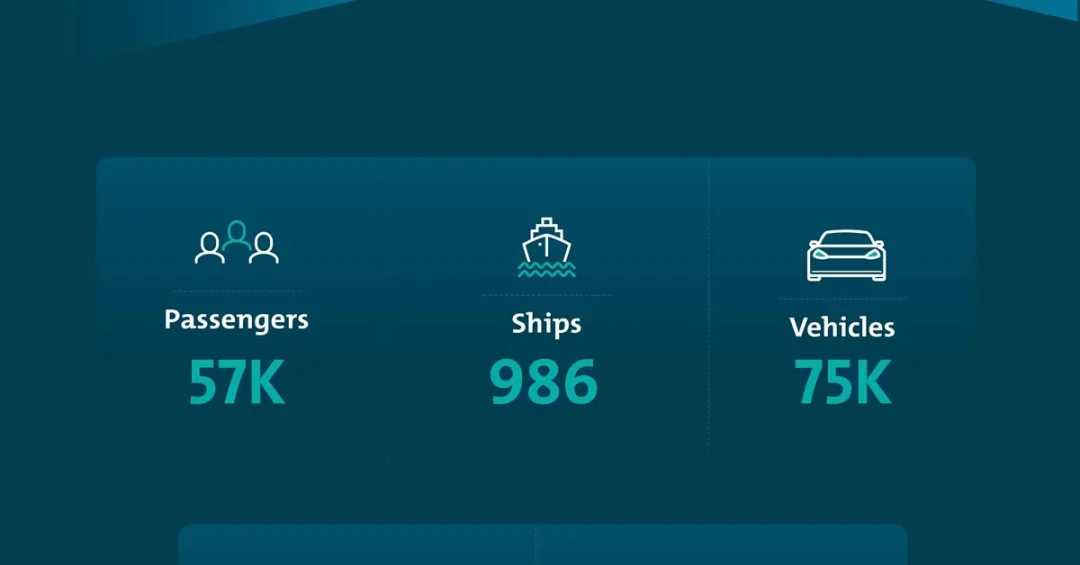
However, some metrics experienced declines. Total handled containers decreased by 10.09% to 647,839 TEUs, and transshipment containers fell by 46.77% to 132,477 TEUs. Maritime traffic also saw a 7.68% decrease to 986 ships, while passenger numbers dropped by 35.31% to 56,636, and car statistics decreased by 19.45% to 74,590. These fluctuations are part of normal market dynamics and do not diminish the overall positive trend in cargo tonnage.
Implications and Impact
The increase in cargo tonnage and container exports signals strong economic activity and enhances Saudi Arabia’s position in global trade. Improved port efficiency reduces costs for importers and exporters, making Saudi ports more attractive for international shipping lines. This, in turn, supports the Kingdom’s efforts to attract foreign investment and boost non-oil exports.
Regionally, the growth reinforces Saudi Arabia’s competitiveness against other logistics hubs in the Middle East. The Kingdom’s strategic location, coupled with ongoing investments in port infrastructure, enables it to capture a larger share of transshipment traffic between Asia and Europe. The rise in cattle imports also reflects the Kingdom’s role in ensuring food security and meeting domestic demand.
Vision 2030 Alignment
These achievements are directly aligned with Vision 2030’s objective to transform Saudi Arabia into a global logistics hub. By enhancing port capacity and efficiency, Mawani contributes to the National Transport and Logistics Strategy’s targets, which include increasing the sector’s contribution to GDP and creating job opportunities. As the Kingdom continues to modernize its infrastructure and streamline regulations, it moves closer to realizing its ambition of connecting three continents and serving as a pivotal link in global supply chains.
20 Questions
Q1. What was the percentage increase in cargo tonnage handled by Mawani ports in May 2024?
A1. Cargo tonnage increased by 8.09% in May 2024, reaching 27,630,736 tons compared to 25,563,861 tons in May 2023. This growth reflects the effectiveness of ongoing improvements in port infrastructure and operational efficiency.
Q2. How many exported containers were handled in May 2024?
A2. Exported containers reached 255,297 TEUs in May 2024, a 13.61% increase from 224,720 TEUs in May 2023. This rise indicates strong demand for Saudi exports and enhanced port capacity.
Q3. What was the volume of imported containers in May 2024?
A3. Imported containers totaled 260,065 TEUs in May 2024, up 5.30% from 246,968 TEUs in May 2023. The increase supports the Kingdom’s import needs and economic activity.
Q4. How many cattle heads were received by Saudi ports in May 2024?
A4. Saudi ports received 1,014,417 cattle heads in May 2024, a 76.56% increase from 574,550 in May 2023. This surge reflects efforts to ensure food security and meet domestic demand.
Q5. What was the total volume of general cargo in May 2024?
A5. General cargo reached 851,501 tons in May 2024. This figure represents a key component of overall cargo throughput and supports various industries across the Kingdom.
Q6. How much solid bulk cargo was handled in May 2024?
A6. Solid bulk cargo amounted to 4,747,754 tons in May 2024. This includes materials such as grains, minerals, and other dry commodities essential for construction and manufacturing.
Q7. What was the volume of liquid bulk cargo in May 2024?
A7. Liquid bulk cargo reached 15,443,431 tons in May 2024. This category primarily includes petroleum products and chemicals, vital for the Kingdom’s energy and industrial sectors.
Q8. How did the number of handled containers change in May 2024?
A8. Handled containers decreased by 10.09% to 647,839 TEUs in May 2024, compared to 720,569 TEUs in May 2023. This decline is part of normal market fluctuations and does not overshadow overall growth.
Q9. What was the change in transshipment containers in May 2024?
A9. Transshipment containers fell by 46.77% to 132,477 TEUs in May 2024, down from 248,881 TEUs in May 2023. This decrease may reflect shifts in global shipping patterns.
Q10. How many ships called at Saudi ports in May 2024?
A10. Maritime traffic saw 986 ships in May 2024, a 7.68% decrease from 1,068 ships in May 2023. The reduction in vessel calls aligns with the decline in transshipment activity.
Q11. What was the number of passengers in May 2024?
A11. Passenger statistics decreased by 35.31% to 56,636 in May 2024, compared to 87,548 in May 2023. This drop may be due to seasonal variations in travel.
Q12. How many cars were handled in May 2024?
A12. Car statistics decreased by 19.45% to 74,590 in May 2024, from 92,604 in May 2023. This decline is consistent with broader trends in the automotive import market.
Q13. What awards has Mawani received for its infrastructure projects?
A13. Mawani received the “Distinguished Infrastructure” award and the “Best Contribution to Economic Infrastructure Development” award. These recognitions highlight the Kingdom’s commitment to world-class port facilities.
Q14. What is the National Transport and Logistics Strategy?
A14. The National Transport and Logistics Strategy is a key initiative under Vision 2030 aimed at positioning Saudi Arabia as a global logistics hub connecting three continents. It focuses on enhancing infrastructure, efficiency, and economic contribution.
Q15. How does the increase in cargo tonnage benefit Saudi Arabia’s economy?
A15. The increase boosts trade, attracts foreign investment, and supports non-oil exports, contributing to economic diversification. It also strengthens the Kingdom’s position in global supply chains.
Q16. What are the implications of the rise in cattle imports?
A16. The rise in cattle imports reflects Saudi Arabia’s efforts to ensure food security and meet domestic demand. It also indicates strong agricultural trade ties with partner countries.
Q17. How does Mawani’s performance align with Vision 2030?
A17. Mawani’s performance directly supports Vision 2030’s goal of transforming Saudi Arabia into a global logistics hub. By enhancing port efficiency, it contributes to economic diversification and job creation.
Q18. What infrastructure projects has Mawani completed recently?
A18. Mawani has completed several qualitative infrastructure development projects since the beginning of 2024. These projects aim to enhance competitiveness and operational efficiency across the Kingdom’s ports.
Q19. How does the decrease in transshipment containers affect Saudi ports?
A19. The decrease in transshipment containers may reflect global shipping dynamics, but it does not diminish the overall positive trend in cargo tonnage. Mawani continues to invest in attracting more transshipment business.
Q20. What is the significance of the 8.09% increase in cargo tonnage for Saudi Arabia’s global standing?
A20. The increase signifies Saudi Arabia’s growing role as a global logistics hub and its ability to compete internationally. It reinforces the Kingdom’s leadership in the maritime sector and supports Vision 2030 objectives.
Reader Feedback
We value your thoughts. Please share your feedback on this article.
Your feedback helps us improve our coverage.