


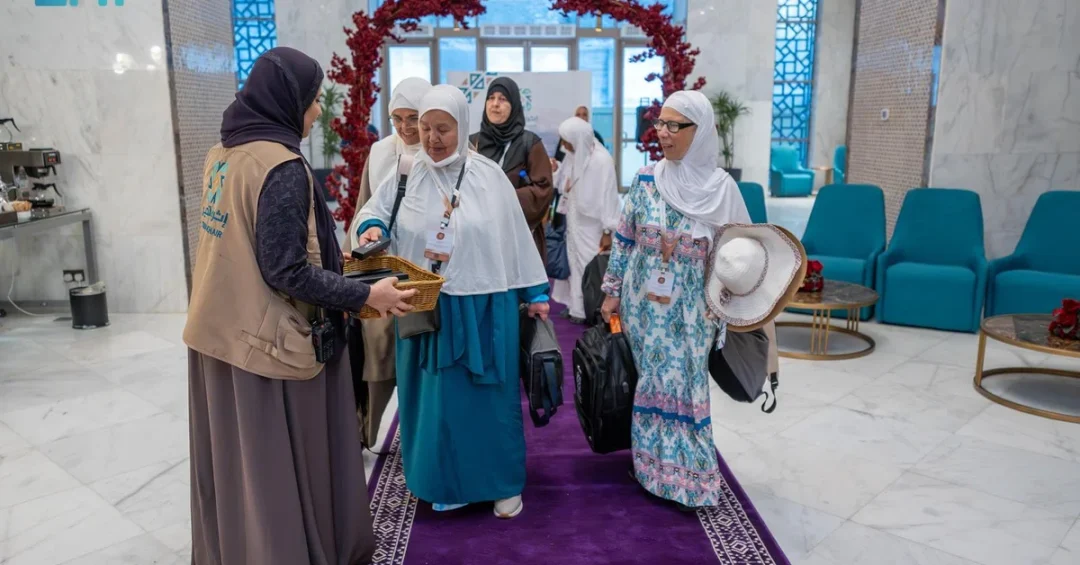
Some 400 pilgrims from the United States, France, Italy, and Germany arrived in Makkah yesterday to perform Hajj, as part of the annual Islamic pilgrimage that draws millions from around the world. The Saudi Press Agency (SPA) reported that local authorities are committed to providing these pilgrims with the best possible experience through a range of programs designed to ensure a safe, convenient, and enriching Hajj journey. The arrival of pilgrims from Europe and the US underscores the Kingdom’s dedication to hosting all pilgrims and facilitating their spiritual journey.
Context and Background
Hajj, the annual Islamic pilgrimage to Makkah, is one of the Five Pillars of Islam and a mandatory religious duty for Muslims who are physically and financially able to undertake it at least once in their lifetime. The pilgrimage occurs from the 8th to the 12th day of Dhu al-Hijjah, the last month of the Islamic calendar. This year, as in previous years, Saudi Arabia has welcomed pilgrims from across the globe, including a significant number from Western nations.
The Saudi Ministry of Hajj and Umrah, in collaboration with various government agencies, has implemented comprehensive plans to manage the influx of pilgrims. These plans focus on safety, health, and logistical support, ensuring that all pilgrims can perform their religious rites with ease and comfort. The Kingdom’s efforts are part of its broader commitment to serving the Guests of God, a responsibility it has upheld for decades.
Key Details
The 400 pilgrims from the US, France, Italy, and Germany are among the thousands of Western Muslims who travel to Saudi Arabia each year for Hajj. Upon arrival, they are guided through a series of rituals, including Tawaf (circumambulation of the Kaaba), Sa’i (walking between the hills of Safa and Marwah), and standing at Arafat. The Saudi authorities have provided multilingual support, medical facilities, and transportation services to accommodate their needs.
According to SPA, the local authorities have designed programs to ensure a safe, convenient, and enriching Hajj journey. These include pre-arrival orientation, on-site assistance, and post-Hajj services. The Ministry of Hajj and Umrah has also launched digital platforms to help pilgrims navigate the rituals and access essential information. Such measures reflect the Kingdom’s use of technology to enhance the pilgrimage experience.
Implications and Impact
The arrival of pilgrims from Europe and the US highlights the international dimension of Hajj and Saudi Arabia’s role as the custodian of Islam’s holiest sites. It also demonstrates the Kingdom’s ability to manage large-scale religious events, which require meticulous planning and coordination. The successful hosting of Hajj enhances Saudi Arabia’s standing globally and reinforces its commitment to peace and unity among Muslims.
Furthermore, the presence of Western pilgrims fosters cultural exchange and promotes a positive image of Saudi Arabia abroad. Their experiences often serve as testimonials to the Kingdom’s hospitality and organizational prowess. As Saudi Arabia continues to open up to the world under Vision 2030, such interactions contribute to mutual understanding and global engagement.
Vision 2030 Alignment
The hosting of Hajj and the service of pilgrims are integral to Saudi Arabia’s Vision 2030, which aims to diversify the economy and promote social and cultural development. The pilgrimage sector is a key component of the Kingdom’s plans to increase non-oil revenues and create job opportunities. By investing in infrastructure and services for Hajj and Umrah, Saudi Arabia seeks to enhance the spiritual experience of millions while showcasing its modernization and hospitality. The arrival of pilgrims from Europe and the US is a testament to the Kingdom’s success in these endeavors and its enduring commitment to serving all Muslims.
20 Questions
Q1. How many pilgrims from the US, France, Italy, and Germany arrived in Makkah?
A1. Approximately 400 pilgrims from these countries arrived in Makkah to perform Hajj, as reported by the Saudi Press Agency.
Q2. What is Hajj and why is it important?
A2. Hajj is an annual Islamic pilgrimage to Makkah, one of the Five Pillars of Islam. It is a mandatory religious duty for Muslims who are able to undertake it.
Q3. Who is responsible for ensuring a safe Hajj journey for pilgrims?
A3. The Saudi Ministry of Hajj and Umrah, along with other government agencies, is responsible for implementing programs to ensure a safe and enriching Hajj experience.
Q4. What programs are in place for pilgrims from Western countries?
A4. Local authorities provide multilingual support, medical facilities, transportation, and digital platforms to assist pilgrims throughout their journey.
Q5. How does Saudi Arabia facilitate the arrival of international pilgrims?
A5. Saudi Arabia uses advanced technology, comprehensive planning, and coordination with various agencies to facilitate a smooth and comfortable pilgrimage experience for all.
Q6. What rituals do pilgrims perform during Hajj?
A6. Pilgrims perform rituals such as Tawaf, Sa’i, and standing at Arafat, following the traditions of Prophet Muhammad.
Q7. How many pilgrims overall perform Hajj each year?
A7. Millions of Muslims from around the world perform Hajj annually, with numbers reaching over two million in recent years.
Q8. What is the significance of Western pilgrims in Hajj?
A8. Their participation highlights the universal nature of Islam and fosters cultural exchange, showcasing Saudi Arabia’s role as a global host.
Q9. How does Saudi Arabia ensure the safety of pilgrims?
A9. Through measures such as crowd management, health services, and security protocols, Saudi authorities maintain a safe environment for all pilgrims.
Q10. What role does the Saudi Press Agency play in reporting Hajj?
A10. The Saudi Press Agency provides official news and updates about Hajj, including arrival numbers and services provided to pilgrims.
Q11. How does Hajj contribute to Saudi Arabia’s economy?
A11. Hajj generates significant revenue through tourism, hospitality, and related services, supporting the Kingdom’s economic diversification goals.
Q12. What is the Ministry of Hajj and Umrah’s role?
A12. It oversees all aspects of Hajj and Umrah, including planning, coordination, and ensuring the welfare of pilgrims.
Q13. How does Saudi Arabia use technology in Hajj?
A13. Digital platforms, mobile apps, and smart systems are used for registration, guidance, and emergency response, enhancing the pilgrimage experience.
Q14. What is the significance of Makkah to Muslims?
A14. Makkah is the holiest city in Islam, home to the Kaaba, and the direction of prayer for Muslims worldwide.
Q15. How do pilgrims from Europe and the US prepare for Hajj?
A15. They often attend orientation sessions, obtain necessary visas, and make travel arrangements through authorized Hajj operators.
Q16. What is Vision 2030’s connection to Hajj?
A16. Vision 2030 aims to enhance Hajj services, increase capacity, and improve the overall experience while boosting non-oil revenues.
Q17. How does Saudi Arabia handle the large influx of pilgrims?
A17. Through comprehensive crowd management, infrastructure development, and coordination among various agencies, the Kingdom ensures smooth operations.
Q18. What health services are available for pilgrims?
A18. Saudi Arabia provides medical facilities, emergency care, and preventive health measures to protect pilgrims’ well-being.
Q19. How does Hajj promote unity among Muslims?
A19. Hajj brings together Muslims from diverse backgrounds, fostering a sense of brotherhood and equality as they perform the same rituals.
Q20. What is the significance of the arrival of Western pilgrims for Saudi Arabia?
A20. It demonstrates Saudi Arabia’s commitment to serving all Muslims, enhances its global image, and supports cultural exchange under Vision 2030.
Reader Feedback
We value your thoughts. Please share your feedback on this article.
Your feedback helps us improve our coverage.