


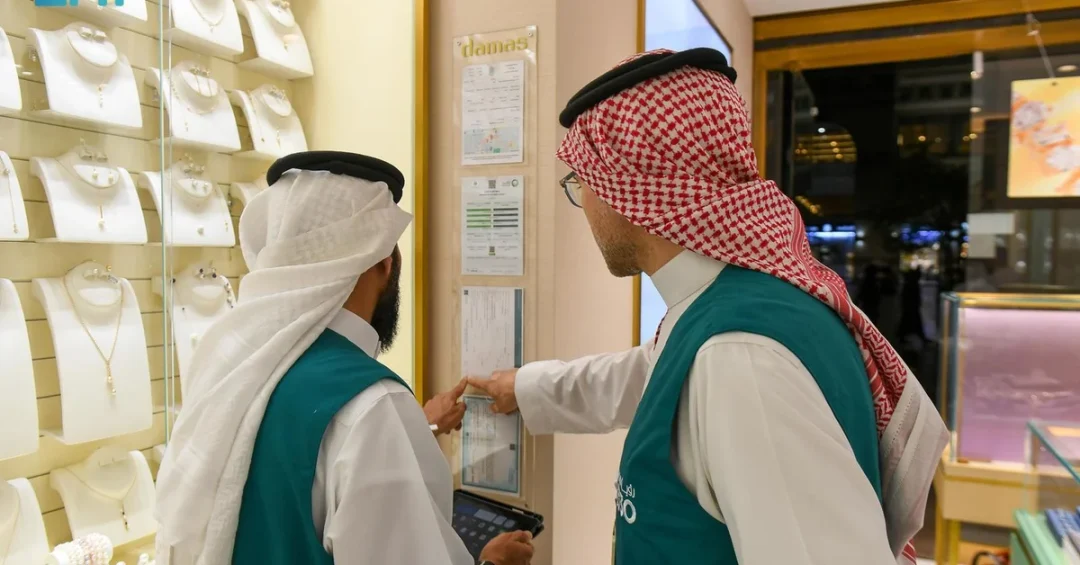
The Ministry of Commerce has intensified its inspection campaign across Madinah, conducting more than 12,765 visits to commercial establishments as part of its Hajj season operational plan, the Saudi Press Agency reported on June 10, 2024. The sweeping initiative is designed to ensure market stability, protect pilgrims’ rights, and maintain the highest standards of service for the millions of worshippers arriving for Hajj.
Context and Background
Each year, the Hajj season brings a massive influx of pilgrims to the Kingdom of Saudi Arabia, with Madinah serving as a key destination for those visiting the Prophet’s Mosque and other significant Islamic sites. The Ministry of Commerce, under the leadership of Minister Majid bin Abdullah Al-Qasabi, has a longstanding mandate to regulate commercial activity and safeguard consumers. This year’s operational plan reflects the Kingdom’s broader commitment to enhancing the pilgrimage experience through rigorous oversight and proactive measures.
The inspections covered a wide range of establishments, including markets, shopping centers, restaurants, gold and jewelry stores, and gas stations. Notably, the campaign extended to areas surrounding the Prophet’s Mosque, Quba Mosque, Masjid Al-Qiblatayn, and the Miqat Dhu Al-Hulaifah, as well as the Haramain High Speed Railway, ensuring comprehensive coverage of locations frequented by pilgrims.
Key Details
During the visits, the ministry identified 374 violations, demonstrating its commitment to enforcing commercial regulations and addressing non-compliance. These violations ranged from pricing irregularities to health and safety breaches. The ministry’s focus remains on ensuring a stable supply of goods to markets and outlets, which is crucial for accommodating the needs of pilgrims and maintaining their wellbeing throughout their Hajj journey.
The inspection teams are working in coordination with other government agencies to streamline efforts and maximize impact. The Ministry of Commerce has also emphasized the importance of consumer awareness, urging pilgrims to report any issues through official channels. This collaborative approach aligns with the Kingdom’s Vision 2030 goals of enhancing quality of life and fostering a robust, transparent economy.
Implications and Impact
The intensified inspections have significant implications for both pilgrims and local businesses. For pilgrims, the measures ensure access to safe, fairly priced goods and services, allowing them to focus on their spiritual journey. For businesses, the campaign promotes fair competition and adherence to regulations, which in turn boosts consumer confidence and supports sustainable economic growth.
On a broader scale, the initiative reinforces Saudi Arabia’s reputation as a responsible host for the Hajj, demonstrating its capacity to manage large-scale events with efficiency and care. It also underscores the Kingdom’s ongoing efforts to improve the pilgrimage infrastructure and services, a key pillar of its religious and economic strategy.
Vision 2030 Alignment
This inspection campaign is a testament to Saudi Arabia’s unwavering commitment to Vision 2030, which seeks to diversify the economy, enhance public services, and improve the quality of life for citizens, residents, and visitors. By ensuring a well-regulated commercial environment during Hajj, the Ministry of Commerce contributes to the Kingdom’s broader goals of economic prosperity and global leadership in serving pilgrims. As Saudi Arabia continues to welcome millions of worshippers, such initiatives will remain integral to its mission of providing a seamless and enriching Hajj experience.
20 Questions
Q1. What is the Ministry of Commerce’s Hajj season operational plan?
A1. The plan involves deploying inspection teams across Madinah to monitor commercial establishments, ensuring compliance with regulations and protecting pilgrims’ interests during the Hajj season.
Q2. How many inspections were conducted in Madinah?
A2. The Ministry of Commerce conducted over 12,765 visits to commercial establishments and centers as part of its Hajj season operational plan.
Q3. What types of establishments were inspected?
A3. Inspections covered markets, shopping centers, restaurants, gold and jewelry stores, and gas stations throughout Madinah and key pilgrimage routes.
Q4. Which holy sites were included in the inspection campaign?
A4. The campaign covered the central area of the Prophet’s Mosque, Quba Mosque, Masjid Al-Qiblatayn, Miqat Dhu Al-Hulaifah, and the Haramain High Speed Railway.
Q5. How many violations were identified during the inspections?
A5. The ministry identified 374 violations during the visits, demonstrating its commitment to enforcing commercial regulations and addressing non-compliance.
Q6. What is the main goal of these inspections?
A6. The primary goal is to ensure a stable supply of goods to markets and outlets, and to ensure the pilgrims’ wellbeing throughout their Hajj journey.
Q7. Who leads the Ministry of Commerce?
A7. The Ministry of Commerce is led by Minister Majid bin Abdullah Al-Qasabi, who oversees its mandate to regulate commercial activity and safeguard consumers.
Q8. Why is Madinah a key destination during Hajj?
A8. Madinah is home to the Prophet’s Mosque and other significant Islamic sites, making it a vital destination for millions of pilgrims performing Hajj.
Q9. How does the inspection campaign benefit pilgrims?
A9. It ensures pilgrims have access to safe, fairly priced goods and services, allowing them to focus on their spiritual journey without commercial concerns.
Q10. What role do local businesses play in this initiative?
A10. Local businesses are expected to comply with regulations, which promotes fair competition and boosts consumer confidence, supporting sustainable economic growth.
Q11. How does the campaign align with Saudi Vision 2030?
A11. It supports Vision 2030 goals of enhancing quality of life, diversifying the economy, and improving public services for citizens and visitors.
Q12. What happens to businesses found violating regulations?
A12. Violations are addressed through enforcement measures, which may include fines or other penalties, to ensure compliance and protect consumers.
Q13. Are there other government agencies involved in the inspections?
A13. Yes, the Ministry of Commerce coordinates with other government agencies to streamline efforts and maximize the impact of the campaign.
Q14. How can pilgrims report commercial violations?
A14. Pilgrims can report issues through official channels, such as the Ministry of Commerce’s hotline or online platforms, ensuring prompt action.
Q15. What is the significance of the Haramain High Speed Railway in the campaign?
A15. The railway is a key transportation link for pilgrims, and its inclusion ensures that commercial services at stations meet regulatory standards.
Q16. How does this campaign reflect Saudi Arabia’s hospitality?
A16. It demonstrates the Kingdom’s dedication to providing a seamless and enriching Hajj experience, showcasing its capacity to host large-scale events with care.
Q17. What economic impact do these inspections have?
A17. They promote a fair and transparent marketplace, which enhances consumer confidence and contributes to sustainable economic growth in the region.
Q18. Were gas stations specifically targeted?
A18. Yes, gas stations were among the establishments inspected to ensure they comply with regulations and provide reliable services to pilgrims and travelers.
Q19. How does the ministry ensure continuous compliance?
A19. Through ongoing inspections, follow-up visits, and coordination with other agencies, the ministry maintains vigilant oversight throughout the Hajj season.
Q20. What message does this campaign send to the international community?
A20. It reinforces Saudi Arabia’s role as a responsible and capable host for Hajj, committed to the wellbeing of all pilgrims and the success of Vision 2030.
Reader Feedback
We value your thoughts. Please share your feedback on this article.
Your feedback helps us improve our coverage.