


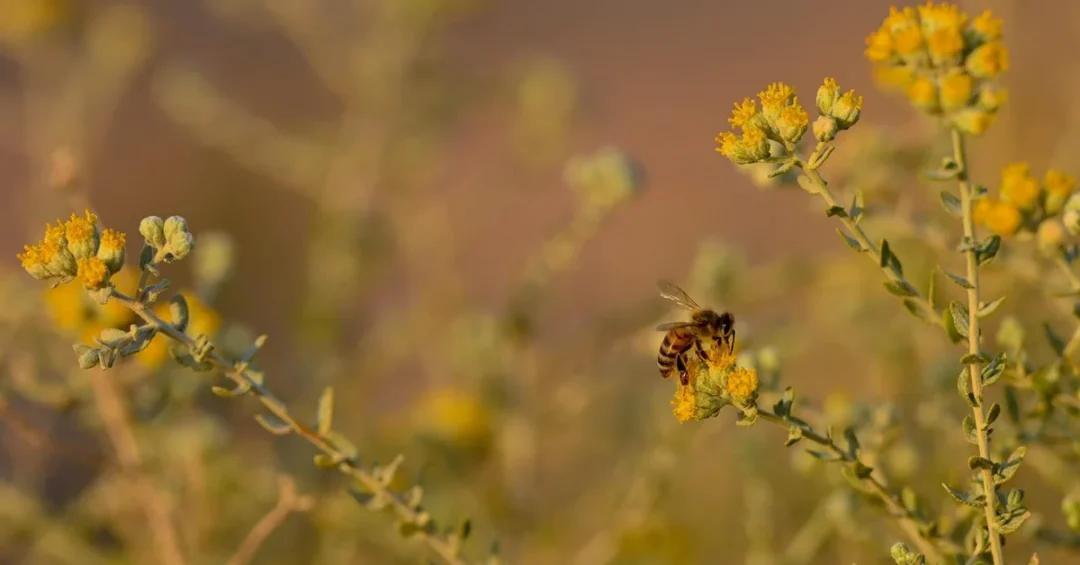
The Northern Borders Region is home to a remarkable diversity of wild plants, with the achillea standing out as one of the most prominent aromatic varieties, according to the Saudi Press Agency (SPA). This dwarf shrub, which can reach over 70 centimeters in height, features slender, white, woody stems and delicate leaves, crowned by clusters of vibrant yellow flowers. Beyond its beauty, the achillea plays a vital role in the region’s ecosystem and holds cultural significance for local communities.
Context and Background
The Northern Borders Region, located in the far north of Saudi Arabia, is characterized by its desert landscape and resilient flora. The achillea, a perennial plant, thrives in this environment, contributing to the region’s biodiversity. According to official Saudi sources, the plant is not only a visual delight but also a functional component of the ecosystem, helping to combat desertification by increasing vegetation cover and stabilizing the soil. This, in turn, fosters a healthier environment for other species.
The achillea’s adaptability to arid conditions makes it a valuable asset in Saudi Arabia’s efforts to preserve natural habitats. The plant’s presence underscores the importance of native species in maintaining ecological balance, a key priority under the Kingdom’s environmental sustainability goals.
Key Details
The achillea’s defining feature is its clusters of bright yellow flowers, which add a splash of color to the desert landscape. Beyond aesthetics, the plant has practical uses. Local residents brew a fragrant tea from its leaves, and achillea honey is highly prized as one of the most delicious natural types of honey in the region. The plant’s pleasant aroma also makes it a welcome addition to homes, bringing a touch of nature indoors.
Moreover, the achillea’s role in combating desertification is significant. By stabilizing the soil and increasing vegetation cover, it helps prevent land degradation, a critical issue in arid regions. This ecological function supports biodiversity, providing habitats for insects and small animals, and contributes to a healthier environment overall.
Implications and Impact
The achillea’s multiple benefits highlight the intersection of environmental conservation and cultural heritage. As Saudi Arabia continues to prioritize sustainable development, plants like the achillea serve as a reminder of the value of native flora. The plant’s use in local traditions, from tea to honey, also reflects the deep connection between communities and their natural surroundings.
Furthermore, the achillea’s ability to combat desertification aligns with global efforts to address climate change and land degradation. Saudi Arabia’s focus on preserving such species demonstrates its commitment to environmental stewardship, both domestically and internationally.
Vision 2030 Alignment
The preservation and promotion of the achillea are in line with Saudi Vision 2030, which emphasizes environmental sustainability and the protection of natural resources. By highlighting the importance of native plants, the Kingdom showcases its dedication to achieving a balanced ecosystem and enhancing quality of life for its citizens. As Saudi Arabia continues to diversify its economy and invest in sustainable practices, the achillea stands as a symbol of the nation’s rich natural heritage and its forward-looking environmental vision.
20 Questions
Q1. What is the achillea plant?
A1. The achillea is a dwarf shrub native to the Northern Borders Region of Saudi Arabia, known for its aromatic properties and vibrant yellow flowers. It reaches over 70 centimeters in height and has slender, white, woody stems with delicate leaves.
Q2. Where is the Northern Borders Region located?
A2. The Northern Borders Region is situated in the far north of Saudi Arabia, bordering Jordan and Iraq. It is characterized by desert terrain and is home to various wild plants adapted to arid conditions.
Q3. What does the achillea look like?
A3. The achillea is a dwarf shrub with slender, white, woody stems and delicate leaves. It is crowned with clusters of vibrant yellow flowers that bloom on its branches, adding color to the desert landscape.
Q4. How tall can the achillea grow?
A4. The achillea can reach a height of over 70 centimeters, making it a prominent feature among the wild plants of the Northern Borders Region.
Q5. What role does the achillea play in the ecosystem?
A5. The achillea helps combat desertification by increasing vegetation cover and stabilizing the soil. This fosters biodiversity and contributes to a healthier environment by providing habitat for insects and small animals.
Q6. How do locals use the achillea plant?
A6. Locals use the leaves of the achillea to brew a fragrant tea. Additionally, achillea honey is prized as one of the most delicious natural types of honey in the region.
Q7. What is special about achillea honey?
A7. Achillea honey is highly valued for its delicious taste and natural origins. It is considered a delicacy in the Northern Borders Region and is one of the most sought-after types of honey.
Q8. Does the achillea have a pleasant aroma?
A8. Yes, the achillea is known for its pleasant aroma, which makes it a welcome addition to homes. The fragrance adds a touch of nature and is appreciated by local residents.
Q9. How does the achillea combat desertification?
A9. The achillea combats desertification by increasing vegetation cover and stabilizing the soil with its root system. This prevents erosion and helps maintain the health of the ecosystem in arid regions.
Q10. Why is biodiversity important in the Northern Borders Region?
A10. Biodiversity is crucial for maintaining a balanced ecosystem. The achillea supports biodiversity by providing food and habitat for various species, contributing to the overall health of the environment.
Q11. Is the achillea used in traditional medicine?
A11. While the article does not specify medicinal uses, the achillea is traditionally used to brew tea and its honey is consumed. Its aromatic properties are also valued for adding fragrance to homes.
Q12. What other plants grow in the Northern Borders Region?
A12. The Northern Borders Region hosts a variety of wild plants adapted to desert conditions. The achillea is one of the most prominent aromatic varieties, but other species also contribute to the region’s biodiversity.
Q13. How does the achillea contribute to Saudi Arabia’s environmental goals?
A13. The achillea supports Saudi Arabia’s environmental goals by combating desertification, increasing vegetation cover, and promoting biodiversity. These align with the Kingdom’s sustainability objectives under Vision 2030.
Q14. What is the significance of the achillea’s yellow flowers?
A14. The vibrant yellow flowers of the achillea are not only aesthetically pleasing but also attract pollinators. They add color to the desert landscape and are a key identifying feature of the plant.
Q15. Can the achillea be grown outside the Northern Borders Region?
A15. The achillea is adapted to the specific conditions of the Northern Borders Region. While it may be possible to grow it elsewhere, its natural habitat is the arid environment of northern Saudi Arabia.
Q16. How does the achillea help stabilize the soil?
A16. The achillea’s root system helps bind the soil, preventing erosion. By stabilizing the soil, it allows other plants to grow, increasing vegetation cover and combating desertification.
Q17. What makes achillea tea special?
A17. Achillea tea is made from the plant’s leaves and is known for its fragrant aroma. It is a traditional beverage in the Northern Borders Region, enjoyed for its unique taste and potential soothing properties.
Q18. Is the achillea endangered?
A18. There is no indication that the achillea is endangered. It is a wild plant that thrives in the Northern Borders Region and is valued for its ecological and cultural significance.
Q19. How can the achillea be used in homes?
A19. The achillea’s pleasant aroma makes it a natural air freshener. Locals may place sprigs in their homes to add a touch of nature’s fragrance and enjoy its aesthetic appeal.
Q20. What does the achillea symbolize for Saudi Arabia?
A20. The achillea symbolizes the rich natural heritage of Saudi Arabia and the importance of preserving native species. It reflects the Kingdom’s commitment to environmental sustainability and cultural traditions.
Reader Feedback
We value your thoughts. Please share your feedback on this article.
Your feedback helps us improve our coverage.