


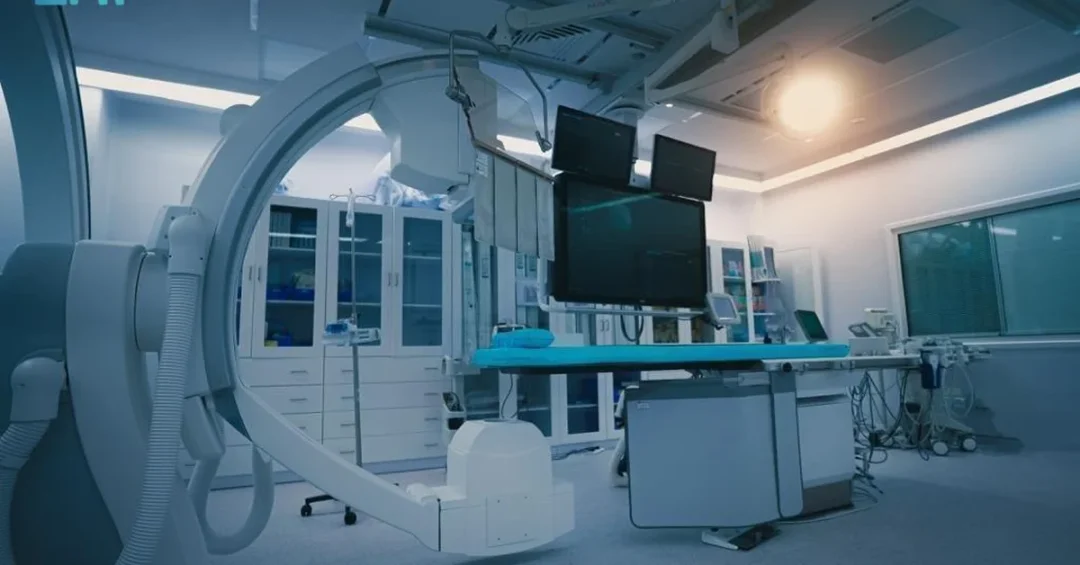
A Saudi medical team at King Faisal Hospital, part of the Makkah Health Cluster, successfully performed a life-saving surgery on a 65-year-old Indonesian pilgrim who arrived suffering from severe pain in her upper right thigh. The emergency procedure, announced by the Saudi Press Agency, ensured the patient could continue her Hajj journey safely.
Context and Background
The incident underscores the Kingdom of Saudi Arabia’s unwavering commitment to the health and safety of all pilgrims during the Hajj season. King Faisal Hospital, a key facility within the Makkah Health Cluster, is one of many healthcare institutions strategically located to provide comprehensive medical services to the millions of visitors who perform Hajj annually. The Saudi Ministry of Health has implemented robust emergency response systems and specialized care units to address any health issues that may arise during the pilgrimage.
Key Details
Upon arrival at the emergency room, doctors promptly assessed the patient’s condition. After completing necessary examinations, they determined that urgent surgery was essential to prevent gangrene. A highly skilled general surgery team swiftly intervened, performing a two-hour operation to address a strangulated femoral hernia. The procedure was successful, and following post-operative care and confirmation of improved health, the patient was discharged. This swift medical intervention not only saved her life but also allowed her to safely resume her Hajj rituals.
Implications and Impact
This case highlights the exceptional capabilities of Saudi Arabia’s healthcare system, particularly in managing complex medical emergencies during the Hajj season. The Kingdom’s ability to provide timely and advanced medical care to pilgrims from around the world reinforces its role as a responsible host and caretaker of the Two Holy Mosques. Such incidents also demonstrate the effectiveness of the Makkah Health Cluster’s coordinated efforts, which ensure that all pilgrims receive the highest standard of care. The successful outcome for the Indonesian pilgrim serves as a testament to the dedication and expertise of Saudi medical professionals.
Vision 2030 Alignment
Saudi Arabia’s Vision 2030 places a strong emphasis on enhancing the quality of healthcare services and improving the overall pilgrimage experience. The Kingdom has invested significantly in modernizing its medical infrastructure and training healthcare professionals to meet international standards. This successful surgery is a clear example of how Vision 2030 goals are being realized on the ground, ensuring the well-being of guests and showcasing Saudi Arabia’s commitment to excellence in all sectors.
20 Questions
Q1. Who performed the life-saving surgery on the Indonesian pilgrim?
A1. A Saudi medical team at King Faisal Hospital, part of the Makkah Health Cluster, performed the surgery.
Q2. What was the age and nationality of the pilgrim?
A2. The pilgrim was a 65-year-old Indonesian woman.
Q3. What condition did the pilgrim suffer from?
A3. She suffered from a strangulated femoral hernia, causing severe pain in her upper right thigh.
Q4. Why was urgent surgery necessary?
A4. Urgent surgery was essential to prevent gangrene, which could have been life-threatening.
Q5. How long did the operation take?
A5. The operation lasted two hours.
Q6. What hospital treated the pilgrim?
A6. King Faisal Hospital in Makkah, which is part of the Makkah Health Cluster.
Q7. When did the surgery take place?
A7. The surgery took place on June 10, 2024, as reported by the Saudi Press Agency.
Q8. Was the surgery successful?
A8. Yes, the surgery was successful, and the patient was discharged after post-operative care.
Q9. What happened to the pilgrim after discharge?
A9. She was able to safely resume her Hajj journey.
Q10. What is the Makkah Health Cluster?
A10. The Makkah Health Cluster is a network of healthcare facilities in Makkah that provides comprehensive medical services.
Q11. How does this reflect Saudi Arabia’s healthcare system?
A11. It demonstrates the system’s ability to handle complex emergencies and provide high-quality care to pilgrims.
Q12. What role does the Saudi Ministry of Health play during Hajj?
A12. The Ministry of Health coordinates emergency response and ensures specialized care for pilgrims.
Q13. Why is this incident significant for international pilgrims?
A13. It reassures pilgrims that Saudi Arabia is well-equipped to handle medical emergencies during Hajj.
Q14. How does this align with Vision 2030?
A14. Vision 2030 aims to enhance healthcare quality and the pilgrimage experience, which this successful surgery exemplifies.
Q15. What was the pilgrim’s condition upon arrival?
A15. She arrived suffering from severe pain in her upper right thigh.
Q16. What was the first step taken by the medical team?
A16. Emergency room doctors promptly assessed her condition and conducted necessary examinations.
Q17. What type of surgery was performed?
A17. General surgery to repair a strangulated femoral hernia.
Q18. How did the hospital ensure the patient’s recovery?
A18. They provided post-operative care and confirmed her improved health before discharge.
Q19. What does this say about Saudi medical expertise?
A19. It highlights the skill and readiness of Saudi medical professionals in critical situations.
Q20. How does this contribute to the overall Hajj experience?
A20. It ensures that pilgrims can focus on their spiritual journey with the assurance of excellent medical support.
Reader Feedback
We value your thoughts. Please share your feedback on this article.
Your feedback helps us improve our coverage.