


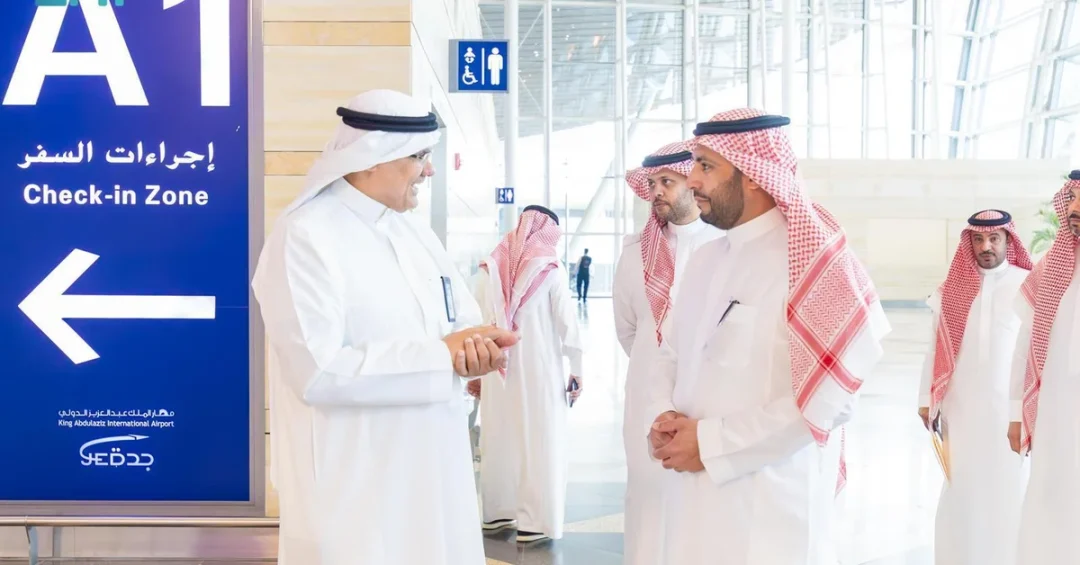
Dr. Mohammed bin Saud Al-Tamimi, Governor of the Communications, Space, and Technology Commission (CST), conducted an official inspection visit to King Abdulaziz International Airport in Jeddah on June 10, 2024, to verify the readiness of communications and technology services for the Hajj season of 1445H. The visit, reported by the Saudi Press Agency (SPA), forms part of the Commission’s continuous efforts to enhance services for pilgrims arriving in the Kingdom.
Context and Background
The Hajj pilgrimage represents one of the largest annual gatherings in the world, drawing millions of worshippers from across the globe to the holy city of Mecca. As the primary gateway for international pilgrims arriving by air, King Abdulaziz International Airport in Jeddah plays a critical role in managing the influx and ensuring a smooth and comfortable experience for all visitors. The Communications, Space, and Technology Commission, a key regulator of the Kingdom’s digital infrastructure, has been tasked with ensuring that robust and reliable communications services are available from the moment pilgrims land. This year’s Hajj season, the first to see such large numbers since the pandemic, places additional emphasis on preparedness and efficiency.
Key Details
During his tour, Dr. Al-Tamimi inspected all terminals designated for receiving pilgrims, as well as the sales centers of communications service providers. The inspection focused on ensuring that these centers are fully equipped to meet the immediate needs of arriving pilgrims, including the provision of subscriber identity module (SIM) cards, internet access, and other related services. The Governor emphasized the importance of concerted efforts and the delivery of all communications and technology services with high efficiency and quality. This visit aligns with the directives of the Saudi leadership to harness all efforts in serving pilgrims and preparing for the influx of visitors this season.
Implications and Impact
The inspection underscores Saudi Arabia’s commitment to leveraging technology to enhance the pilgrimage experience. Reliable communications services are essential for pilgrims to stay connected with their families, access digital guides, and navigate the rituals of Hajj. By ensuring that service providers are ready to meet demand, the CST is contributing to a seamless and spiritually fulfilling journey for millions. This also reflects the Kingdom’s broader strategy to integrate advanced technologies into all facets of public service, enhancing the quality of life for citizens and visitors alike. The successful implementation of these measures will further solidify Saudi Arabia’s reputation as a leading destination for religious tourism and a model of digital innovation in the region.
Vision 2030 Alignment
This initiative is a direct reflection of Saudi Vision 2030, which aims to transform the Kingdom into a global hub for technology and innovation while enhancing the services provided to pilgrims. Under Vision 2030, Saudi Arabia seeks to increase the number of pilgrims and improve the overall Hajj experience through digital transformation. The CST’s efforts to ensure high-quality communications infrastructure at key entry points like King Abdulaziz International Airport are vital to achieving these goals. As the Kingdom continues to modernize its infrastructure and embrace cutting-edge technologies, such initiatives will play a crucial role in showcasing Saudi Arabia’s leadership in both technology and hospitality on the world stage.
20 Questions
Q1. Who conducted the inspection at King Abdulaziz International Airport?
A1. Dr. Mohammed bin Saud Al-Tamimi, Governor of the Communications, Space, and Technology Commission (CST), led the inspection on June 10, 2024.
Q2. What was the purpose of the inspection?
A2. The inspection aimed to assess the readiness of communications and technology services for the Hajj season of 1445H, ensuring they meet the needs of arriving pilgrims.
Q3. Which airport was inspected?
A3. King Abdulaziz International Airport in Jeddah, the primary gateway for international pilgrims traveling to Mecca.
Q4. What specific areas were covered during the tour?
A4. The tour covered all terminals designated for receiving pilgrims and the sales centers of communications service providers.
Q5. What services are provided by the communications centers at the airport?
A5. These centers offer subscriber identity module (SIM) cards, internet access, and other related services to meet pilgrims’ connectivity needs.
Q6. Why is the Hajj season significant for Saudi Arabia?
A6. Hajj is one of the largest annual gatherings globally, drawing millions of pilgrims and requiring extensive logistical and technological preparation.
Q7. What did Dr. Al-Tamimi emphasize during the visit?
A7. He emphasized the importance of concerted efforts and delivering all communications and technology services with high efficiency and quality.
Q8. How does this visit align with Saudi leadership directives?
A8. It aligns with directives to harness all efforts in serving pilgrims and preparing for the influx of visitors during the Hajj season.
Q9. What role does the CST play in the Hajj season?
A9. The CST regulates and ensures the readiness of communications and technology infrastructure to support pilgrims and facilitate their journey.
Q10. How does this initiative benefit pilgrims?
A10. It ensures that pilgrims have reliable access to communication services, helping them stay connected and navigate their pilgrimage smoothly.
Q11. What is the significance of King Abdulaziz International Airport for Hajj?
A11. It is a major entry point for international pilgrims, making its readiness crucial for managing the influx and ensuring a positive experience.
Q12. How does this align with Saudi Vision 2030?
A12. Vision 2030 aims to enhance pilgrim services through digital transformation, and this initiative supports that goal by improving communications infrastructure.
Q13. What technology services are pilgrims expected to use?
A13. Pilgrims will use SIM cards for mobile connectivity, internet access for communication and navigation, and other digital services provided at the airport.
Q14. What challenges does the Hajj season pose for communications networks?
A14. The massive influx of pilgrims creates high demand for network capacity, requiring robust infrastructure and careful planning to avoid congestion.
Q15. How does the CST ensure service quality during Hajj?
A15. The CST conducts inspections, coordinates with service providers, and implements measures to guarantee high-quality communications services throughout the season.
Q16. What other government bodies are involved in Hajj preparations?
A16. Various ministries and agencies, including the Ministry of Hajj and Umrah, the Ministry of Interior, and the Saudi Data and AI Authority, collaborate to ensure a successful Hajj.
Q17. How does this inspection reflect Saudi Arabia’s commitment to pilgrims?
A17. It demonstrates the Kingdom’s dedication to providing the best possible services and facilities to pilgrims, ensuring their comfort and spiritual focus.
Q18. What economic impact does Hajj have on Saudi Arabia?
A18. Hajj significantly contributes to the economy through sectors like transportation, hospitality, and retail, supporting Vision 2030’s economic diversification goals.
Q19. What future developments can be expected in Hajj technology services?
A19. Continued advancements in 5G, AI, and digital platforms are expected to further enhance the pilgrimage experience and operational efficiency.
Q20. How can pilgrims access these communications services upon arrival?
A20. Pilgrims can visit the sales centers at the airport terminals to purchase SIM cards and access internet services provided by licensed telecommunications operators.
Reader Feedback
We value your thoughts. Please share your feedback on this article.
Your feedback helps us improve our coverage.