


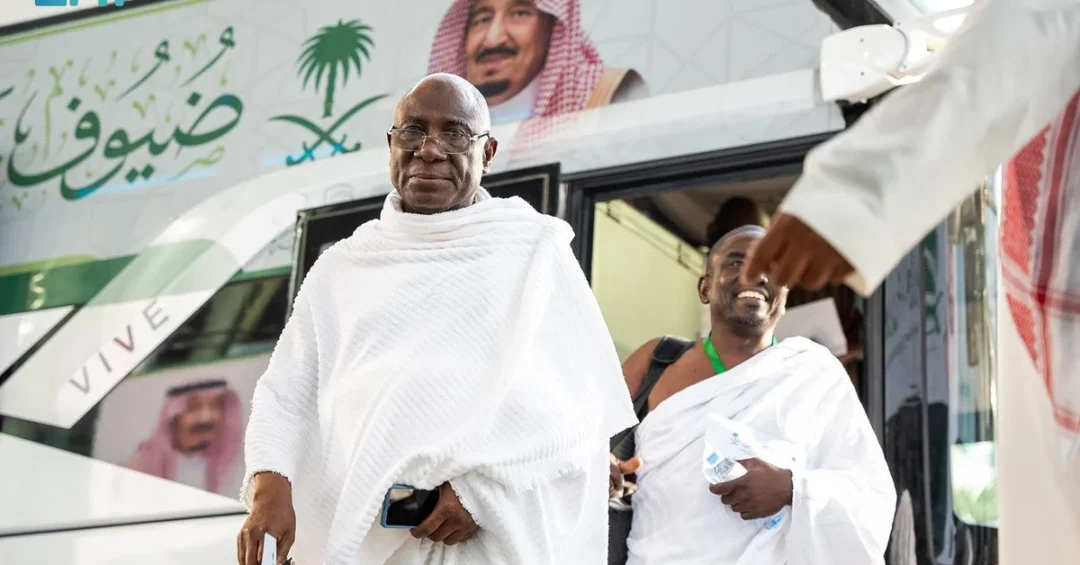
The Ministry of Islamic Affairs, Dawah, and Guidance continues to receive pilgrims as part of the Custodian of the Two Holy Mosques Guests Program for Hajj, Umrah, and Visits, with 145 male and female pilgrims from nine countries arriving in Makkah on the fourth day of Dhul-Hijjah this year. This brings the total number of pilgrims received under the program to 1,075 from 75 countries worldwide, according to the Saudi Press Agency (SPA). The ministry is providing integrated services to ensure that the guests can perform Hajj rituals with ease and convenience. In the coming days, the ministry will continue to receive the remaining 3,322 pilgrims from 88 countries, underscoring the Kingdom’s commitment to serving pilgrims from around the world.
Context and Background
The Custodian of the Two Holy Mosques Guests Program for Hajj, Umrah, and Visits is a flagship initiative that reflects the Kingdom’s dedication to hosting pilgrims and facilitating their spiritual journey. Each year, the program invites thousands of Muslims from diverse backgrounds to perform Hajj at the expense of the Custodian of the Two Holy Mosques, King Salman bin Abdulaziz Al Saud. This year’s program has already welcomed 1,075 pilgrims from 75 countries, with many more expected in the coming days.
The Ministry of Islamic Affairs, Dawah, and Guidance oversees the program’s logistics, ensuring that guests receive comprehensive support, including transportation, accommodation, and guidance. This initiative is part of Saudi Arabia’s broader efforts to enhance the Hajj experience, aligned with Vision 2030’s goals of improving services for pilgrims and showcasing the Kingdom’s leadership in serving Islam and Muslims.
Key Details
On the fourth day of Dhul-Hijjah, 145 pilgrims from nine countries arrived in Makkah, marking another milestone in this year’s program. The ministry has been receiving pilgrims in batches, with the total now reaching 1,075 from 75 countries. The remaining 3,322 pilgrims from 88 countries will be received in the upcoming days, ensuring that all guests can perform Hajj rituals comfortably.
The program provides integrated services, including visa facilitation, flights, accommodation, meals, and religious guidance. The ministry’s efforts are aimed at allowing pilgrims to focus on their spiritual duties without logistical concerns. This comprehensive support system is a testament to the Kingdom’s unwavering commitment to serving the guests of God.
Implications and Impact
The Custodian of the Two Holy Mosques Guests Program has far-reaching implications for international relations and Islamic solidarity. By hosting pilgrims from diverse nations, Saudi Arabia strengthens ties with Muslim communities worldwide and promotes the universal values of peace, unity, and devotion. The program also showcases the Kingdom’s logistical capabilities and its ability to manage large-scale events, such as Hajj, which attracts millions of pilgrims annually.
Furthermore, the program’s success contributes to the broader goals of Vision 2030 by enhancing the pilgrimage experience and highlighting Saudi Arabia’s role as a global leader in serving Islam. It also supports economic diversification by boosting the tourism and hospitality sectors, which are key pillars of the Vision 2030 strategy.
Vision 2030 Alignment
The Custodian of the Two Holy Mosques Guests Program is closely aligned with Vision 2030, which aims to transform Saudi Arabia into a global hub for Islamic tourism and to enhance the quality of services for pilgrims. By investing in infrastructure and technology, the Kingdom is making Hajj and Umrah experiences more accessible and fulfilling for millions of Muslims. This initiative not only serves religious purposes but also strengthens Saudi Arabia’s position as a leader in the Islamic world and beyond, contributing to the nation’s long-term prosperity and global influence.
20 Questions
Q1. What is the Custodian of the Two Holy Mosques Guests Program for Hajj?
A1. The Custodian of the Two Holy Mosques Guests Program for Hajj, Umrah, and Visits is an initiative by the Saudi Ministry of Islamic Affairs, Dawah, and Guidance to host pilgrims from around the world, providing them with fully funded Hajj experiences.
Q2. How many pilgrims arrived on the fourth day of Dhul-Hijjah?
A2. On the fourth day of Dhul-Hijjah, 145 male and female pilgrims from nine different countries arrived in Makkah as part of the program, according to the Saudi Press Agency.
Q3. What is the total number of pilgrims received so far?
A3. The program has now received a total of 1,075 pilgrims from 75 countries worldwide, with many more expected to arrive in the coming days.
Q4. How many pilgrims are still expected to arrive?
A4. The ministry will receive an additional 3,322 male and female pilgrims from 88 countries in the upcoming days, completing this year’s guest list.
Q5. Which ministry oversees the program?
A5. The Ministry of Islamic Affairs, Dawah, and Guidance oversees the program, ensuring that all guests receive integrated services for a smooth Hajj experience.
Q6. What services are provided to the pilgrims?
A6. The ministry provides comprehensive services including visa processing, transportation, accommodation, meals, and religious guidance to help pilgrims perform Hajj rituals easily.
Q7. How does the program reflect Saudi Arabia’s Vision 2030?
A7. The program aligns with Vision 2030 by enhancing pilgrim services, promoting Islamic tourism, and showcasing Saudi Arabia’s leadership in serving Muslims globally.
Q8. From how many countries have pilgrims come so far?
A8. Pilgrims have arrived from 75 countries so far, with the total expected to reach 88 countries as the program continues.
Q9. What is the significance of the program for international relations?
A9. The program strengthens ties with Muslim communities worldwide, promotes Islamic solidarity, and demonstrates Saudi Arabia’s commitment to serving pilgrims from diverse backgrounds.
Q10. How does the program contribute to the Saudi economy?
A10. By boosting tourism and hospitality sectors, the program supports economic diversification goals under Vision 2030, creating opportunities for local businesses and service providers.
Q11. Who funds the program?
A11. The program is funded by the Custodian of the Two Holy Mosques, King Salman bin Abdulaziz Al Saud, as part of the Kingdom’s dedication to serving Islam and Muslims.
Q12. What is the role of the Saudi Press Agency in reporting this?
A12. The Saudi Press Agency (SPA) is the official news agency that reported the arrival of pilgrims and provides authoritative updates on the program’s progress.
Q13. How does the program ensure the comfort of pilgrims?
A13. The ministry provides integrated services, including comfortable accommodations, transportation, and guidance, allowing pilgrims to focus on their spiritual journey without logistical concerns.
Q14. What is the expected total number of pilgrims for this year’s program?
A14. The program is expected to host a total of 4,397 pilgrims from 88 countries, with 1,075 already received and 3,322 still to arrive.
Q15. How does the program promote the image of Saudi Arabia globally?
A15. The program showcases Saudi Arabia’s logistical capabilities, hospitality, and commitment to serving Islam, enhancing its global image as a leader in pilgrimage services.
Q16. What is the significance of Dhul-Hijjah in the program?
A16. Dhul-Hijjah is the month of Hajj, and the arrival of pilgrims on its fourth day marks the beginning of the main pilgrimage activities, leading up to the Hajj rituals.
Q17. Are there any female pilgrims in the program?
A17. Yes, the program hosts both male and female pilgrims, with 145 male and female pilgrims arriving on the fourth day of Dhul-Hijjah alone.
Q18. How does the program align with the goals of Saudi Vision 2030?
A18. It aligns by improving pilgrim experiences, enhancing Islamic tourism, and demonstrating Saudi Arabia’s capacity to host large-scale religious events, contributing to Vision 2030’s objectives.
Q19. What impact does the program have on the local community in Makkah?
A19. The program boosts local businesses, creates jobs, and fosters a sense of pride in serving guests, contributing to the economic and social development of Makkah.
Q20. What is the long-term vision for the Custodian of the Two Holy Mosques Guests Program?
A20. The program aims to continue expanding, serving more pilgrims annually, and reinforcing Saudi Arabia’s role as the heart of the Islamic world, in line with Vision 2030.
Reader Feedback
We value your thoughts. Please share your feedback on this article.
Your feedback helps us improve our coverage.