


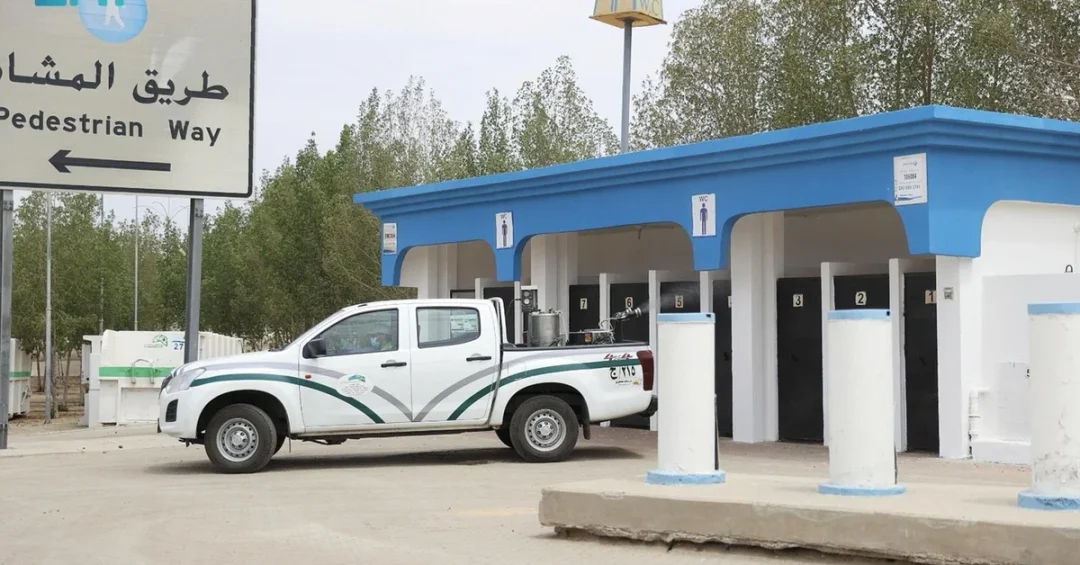
The Makkah Municipality has intensified its hygiene and pest control operations, deploying 689 personnel and 930 pieces of equipment across Makkah and the Holy Sites to ensure a clean and safe environment for pilgrims and residents. The initiative, carried out in cooperation with other government agencies, involves multiple specialized teams working morning and evening shifts to combat insects and pests in critical areas.
Context and Background
The Makkah Municipality’s efforts are part of a comprehensive plan to maintain public health and environmental cleanliness, particularly during peak seasons when millions of pilgrims visit the Holy Sites. By forming dedicated teams that include pest-control specialists and technicians, the municipality aims to address potential health risks proactively. This initiative aligns with the Kingdom’s broader commitment to ensuring the well-being of all visitors and residents, reflecting the leadership’s focus on service excellence.
Key Details
A total of 689 individuals have been allocated for this initiative, supported by 930 tools and 321 various devices, including pest control vehicles, fogging equipment, automatic spraying devices, manual devices, and hydrogen devices. These teams operate in morning and evening shifts at various locations. The municipality has developed a specific mechanism for insect exploration, dividing sites in Makkah and the Holy Sites according to density rates. They are intensifying work in critical areas such as slaughterhouses, vegetable gardens, fish markets, and waste dumps while monitoring and evaluating the effectiveness of their efforts. The number of teams is adjusted based on density rates and reports received on the Balady platform.
Implications and Impact
This intensified effort has significant implications for public health and the overall pilgrimage experience. By targeting high-density areas and utilizing advanced equipment, the municipality is reducing the risk of disease transmission and ensuring a cleaner environment for all. The cooperation with other government agencies demonstrates a unified approach to service delivery, enhancing the efficiency of operations. This proactive measure not only protects pilgrims but also supports the Kingdom’s reputation for exceptional hospitality and meticulous planning.
Vision 2030 Alignment
This initiative is closely aligned with Saudi Vision 2030, which emphasizes improving the quality of life for citizens and visitors, enhancing public services, and ensuring sustainable development. By leveraging modern technology and strategic planning, the Makkah Municipality is contributing to the vision’s goals of creating vibrant, healthy communities and providing world-class services to pilgrims. Such efforts underscore the Kingdom’s dedication to continuous improvement and its role as a global leader in managing large-scale religious events.
20 Questions
Q1. What is the main objective of the Makkah Municipality’s intensified efforts?
A1. The main objective is to maintain hygiene and control insects and pests in Makkah and the Holy Sites, ensuring a safe and clean environment for pilgrims and residents through coordinated teams and advanced equipment.
Q2. How many individuals are involved in this initiative?
A2. A total of 689 individuals have been allocated, including pest-control specialists and technicians, working in morning and evening shifts to cover various locations across Makkah and the Holy Sites.
Q3. What types of equipment are being used?
A3. The equipment includes 930 tools and 321 devices such as pest control vehicles, fogging equipment, automatic spraying devices, manual devices, and hydrogen devices, all aimed at effective pest management.
Q4. Which areas are prioritized for pest control?
A4. Critical areas such as slaughterhouses, vegetable gardens, fish markets, and waste dumps are prioritized due to their higher density rates and potential for pest breeding.
Q5. How does the municipality determine where to focus efforts?
A5. They divide sites according to density rates and monitor reports from the Balady platform, adjusting team numbers based on the volume of reports and pest activity.
Q6. What is the Balady platform?
A6. The Balady platform is a digital system used by the municipality to receive reports and feedback from the public, helping to identify areas needing attention and improve service delivery.
Q7. How do the teams operate on a daily basis?
A7. Teams work in morning and evening shifts, ensuring continuous coverage. They conduct exploration, spraying, and fogging activities, and evaluate the effectiveness of their efforts regularly.
Q8. Why is this initiative important for pilgrims?
A8. It protects pilgrims from potential health risks associated with pests and insects, ensuring a safe and comfortable environment during their spiritual journey in the Holy Sites.
Q9. Which government agencies are cooperating with the municipality?
A9. Various government agencies are collaborating, though specific names are not provided. This cooperation enhances coordination and resource sharing for efficient pest control operations.
Q10. How does this effort align with Saudi Vision 2030?
A10. It aligns with Vision 2030 by improving quality of life, enhancing public services, and ensuring sustainable development, showcasing the Kingdom’s commitment to excellence in managing large-scale religious events.
Q11. What is the role of pest-control specialists?
A11. Pest-control specialists lead the teams, applying their expertise to identify pests, determine appropriate treatments, and ensure that all operations are conducted safely and effectively.
Q12. How often are the teams deployed?
A12. Teams are deployed daily in morning and evening shifts, with the frequency and number of teams adjusted based on pest density and reports received through the Balady platform.
Q13. What is the significance of using hydrogen devices?
A13. Hydrogen devices are used for eco-friendly pest control, as they produce no harmful residues and are safe for the environment, aligning with sustainable practices.
Q14. How does the municipality evaluate the effectiveness of its efforts?
A14. They monitor and evaluate through regular assessments, tracking pest activity and the success of treatments, and adjust strategies as needed to ensure optimal results.
Q15. What are the Holy Sites, and why are they important?
A15. The Holy Sites include Mina, Arafat, and Muzdalifah, where pilgrims gather during Hajj. Maintaining cleanliness there is crucial for the health and safety of millions of pilgrims.
Q16. How does this initiative benefit residents of Makkah?
A16. Residents benefit from a cleaner environment, reduced pest-related health risks, and improved public services, contributing to a higher quality of life in the city.
Q17. What measures are taken to control insects in vegetable gardens?
A17. Specialized teams use targeted spraying and fogging techniques to control insects in vegetable gardens, ensuring that produce remains safe and pest-free for consumption.
Q18. How does the municipality handle waste dumps?
A18. Waste dumps are regularly treated with pesticides and monitored to prevent pest breeding. Teams also ensure proper waste management to reduce attraction for pests.
Q19. What role does technology play in this initiative?
A19. Technology, such as the Balady platform and advanced equipment like automatic spraying devices, enhances efficiency by enabling data-driven decisions and precise pest control operations.
Q20. How does this initiative reflect Saudi Arabia’s leadership?
A20. It demonstrates Saudi Arabia’s proactive approach to public health and service excellence, reinforcing its leadership in managing religious tourism and ensuring the well-being of all visitors and citizens.
Reader Feedback
We value your thoughts. Please share your feedback on this article.
Your feedback helps us improve our coverage.