


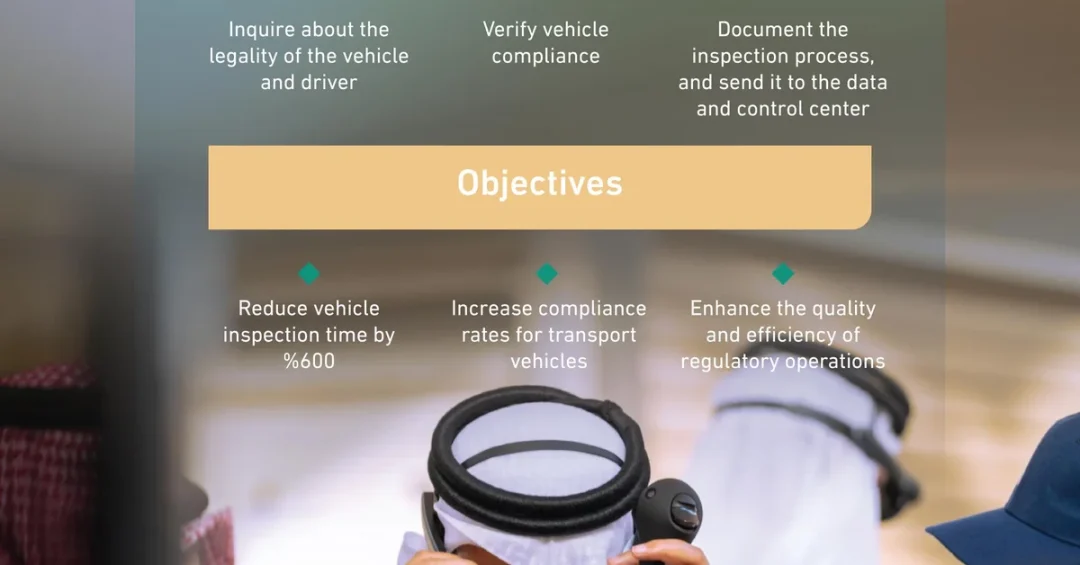
The Transport General Authority (TGA) has announced the deployment of an advanced version of virtual glasses for the upcoming 1445 Hajj season, building on the success of last year’s trial. These next-generation glasses, which leverage augmented reality (AR) technology, are designed to ensure efficient and high-quality transport services for pilgrims, according to the Saudi Press Agency (SPA). The move underscores Saudi Arabia’s commitment to harnessing cutting-edge technology to enhance the Hajj experience for millions of worshippers.
Context and Background
The Hajj pilgrimage is one of the largest annual gatherings in the world, with millions of Muslims from across the globe converging on Mecca. Managing the logistics of transporting such a vast number of people safely and efficiently is a monumental task. The TGA, responsible for regulating and overseeing land and maritime transport in the Kingdom, has been at the forefront of integrating technology to streamline operations. Last year’s trial of virtual glasses proved successful, paving the way for the enhanced version now being deployed. This initiative aligns with Saudi Arabia’s broader efforts to modernize its infrastructure and improve public services, a key pillar of Vision 2030.
Key Details
The advanced virtual glasses empower field inspectors to conduct swift and comprehensive checks. Within just six seconds, inspectors can verify vehicle legality, driver compliance, document inspections, and report any violations to the data and control center. This translates to a remarkable 600% reduction in vehicle inspection time, significantly enhancing compliance rates and the overall quality of transport services for pilgrims. The glasses enable real-time data transmission, allowing for immediate action and coordination. By streamlining inspections and boosting efficiency, the technology contributes to a smoother and more seamless pilgrimage experience, allowing pilgrims to focus on their religious duties with greater ease and peace of mind.
Implications and Impact
The deployment of these virtual glasses has far-reaching implications for Hajj management. Faster inspections mean reduced waiting times for pilgrims and transport operators, leading to less congestion and improved safety. The technology also enhances transparency and accountability, as all inspections are recorded and transmitted to a central control center. This can help identify bottlenecks and areas for improvement in real-time. Furthermore, the success of this initiative could serve as a model for other large-scale events in the Kingdom and beyond, showcasing Saudi Arabia’s leadership in smart technology and logistics. The TGA’s efforts reflect the Kingdom’s dedication to providing world-class services to guests of God.
Vision 2030 Alignment
This initiative is a clear manifestation of Saudi Arabia’s Vision 2030, which aims to transform the Kingdom into a global leader in technology and innovation while enhancing the quality of life for citizens and visitors. By leveraging AR technology for Hajj transport, the Kingdom is not only improving operational efficiency but also reinforcing its commitment to delivering exceptional services to pilgrims. As Saudi Arabia continues to invest in smart solutions, such initiatives will further solidify its position as a pioneer in modernizing religious tourism and setting new benchmarks for hospitality and safety. The TGA’s deployment of advanced virtual glasses is a testament to the Kingdom’s forward-looking approach and its unwavering dedication to serving the millions who embark on this sacred journey.
20 Questions
Q1. What is the main purpose of the virtual glasses deployed by the Transport General Authority?
A1. The virtual glasses are designed to ensure efficient and high-quality transport services for pilgrims during the Hajj season by enabling swift and comprehensive vehicle and driver inspections.
Q2. Which technology do the advanced virtual glasses leverage?
A2. The glasses leverage augmented reality (AR) technology, which overlays digital information onto the real world to assist inspectors in their tasks.
Q3. When will these virtual glasses be used?
A3. They will be deployed for the upcoming 1445 Hajj season, which corresponds to the annual Islamic pilgrimage occurring in 2024.
Q4. How long does it take for an inspector to conduct a full check using the glasses?
A4. Inspectors can complete a comprehensive check within just six seconds, verifying vehicle legality, driver compliance, document inspections, and reporting violations.
Q5. What is the percentage reduction in vehicle inspection time achieved by the glasses?
A5. The glasses achieve a 600% reduction in vehicle inspection time, significantly speeding up the inspection process compared to traditional methods.
Q6. What information can inspectors verify using the virtual glasses?
A6. Inspectors can verify vehicle legality, driver compliance, document inspections, and report any violations to the data and control center.
Q7. How does the technology contribute to the pilgrimage experience?
A7. By streamlining inspections and boosting efficiency, the glasses contribute to a smoother and more seamless pilgrimage, allowing pilgrims to focus on their religious duties with greater ease and peace of mind.
Q8. What was the basis for deploying this advanced version?
A8. The deployment builds on the success of last year’s trial, which demonstrated the effectiveness of virtual glasses in enhancing transport services during Hajj.
Q9. Which authority is responsible for deploying these glasses?
A9. The Transport General Authority (TGA) is responsible for deploying the advanced virtual glasses as part of its efforts to regulate and improve transport services.
Q10. What are the benefits of faster inspections for pilgrims?
A10. Faster inspections reduce waiting times, ease congestion, and improve overall safety, making the pilgrimage experience more comfortable and efficient for the millions of worshippers.
Q11. How does the technology enhance compliance rates?
A11. By enabling quick and thorough checks, the glasses ensure that all vehicles and drivers meet regulatory requirements, thereby increasing compliance rates and the overall quality of transport services.
Q12. What role does the data and control center play?
A12. The data and control center receives real-time reports of violations and inspection data, allowing for immediate action and coordination to address any issues that arise.
Q13. Can the virtual glasses be used for other purposes beyond Hajj?
A13. While currently deployed for Hajj, the technology could potentially be adapted for other large-scale events in Saudi Arabia, such as Umrah or major conferences, to enhance logistics and security.
Q14. How does this initiative reflect Saudi Arabia’s Vision 2030?
A14. It reflects Vision 2030 by showcasing the Kingdom’s commitment to technological innovation, improving public services, and enhancing the quality of life for visitors, aligning with the goals of a modern, forward-looking nation.
Q15. What impact does this have on the overall Hajj operation?
A15. The deployment streamlines the entire transport inspection process, leading to more efficient operations, reduced delays, and an improved experience for pilgrims, thereby enhancing the Kingdom’s reputation for excellent Hajj management.
Q16. How does the TGA ensure the glasses are used effectively?
A16. The TGA provides training to field inspectors on using the AR glasses and has established protocols for data transmission and violation reporting to ensure consistent and effective use.
Q17. What are the key features of the advanced virtual glasses?
A17. The glasses feature augmented reality displays that provide inspectors with real-time information, hands-free operation, and connectivity to the central control center for immediate reporting and verification.
Q18. How does this technology improve safety during Hajj?
A18. By ensuring that all vehicles and drivers comply with safety regulations, the glasses help prevent accidents and breakdowns, contributing to a safer environment for pilgrims and other road users.
Q19. What feedback was received from last year’s trial?
A19. The trial was successful, demonstrating significant improvements in inspection efficiency and compliance, which led to the decision to deploy an advanced version for the upcoming Hajj season.
Q20. How does this innovation position Saudi Arabia globally?
A20. It positions Saudi Arabia as a leader in utilizing advanced technology for religious tourism and large-scale event management, setting a benchmark for other nations to follow in smart logistics and pilgrim services.
Reader Feedback
We value your thoughts. Please share your feedback on this article.
Your feedback helps us improve our coverage.