


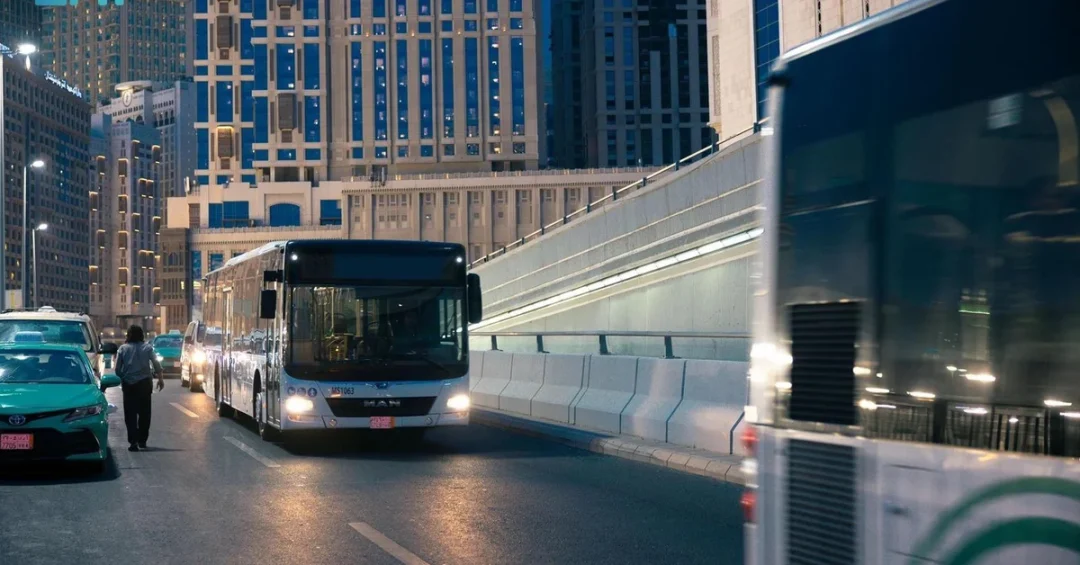
The Royal Commission for Makkah City and Holy Sites has announced a comprehensive operational plan for the 1445AH Hajj season, introducing a range of support projects designed to enhance services for pilgrims and elevate their overall experience. The initiative, detailed in an official announcement, underscores the Kingdom’s commitment to ensuring a safe, efficient, and spiritually fulfilling pilgrimage for millions of worshippers from around the world.
Context and Background
As the custodian of the Two Holy Mosques, Saudi Arabia places the highest priority on the welfare of Hajj pilgrims. Each year, the Royal Commission for Makkah City and Holy Sites, in coordination with various government agencies, implements extensive measures to manage the massive influx of visitors. The 1445AH plan reflects continuous improvements based on past experience and aligns with Vision 2030 goals to enhance the quality of services and infrastructure in the holy cities. The commission’s efforts are part of a broader strategy to accommodate growing numbers of pilgrims while ensuring their safety and comfort.
Key Details
The operational plan for Makkah Buses is a central component, covering 400 buses across 12 routes that span over 580 kilometers. These routes include four main stations and 438 strategically placed bus stops, with additional buses designated for high-density areas. Route modifications have been made to integrate with other transportation services and adapt to real-time traffic and passenger flow. An emergency plan with preventive measures, response protocols, and an alert system has been devised to ensure safety and efficiency.
To further support transportation, the commission has prepared high-capacity sites for Careem taxi stands and issued taxi operation contracts. Light transportation means, such as scooters, have been provided on three dedicated routes to facilitate movement between the Holy Sites. Additionally, the Kidana Al-Wadi project, comprising 10 residential towers near the Jamarat facility in Mina, has been completed by Kidana Development Company, the executive arm of the Royal Commission. This project aims to improve services for pilgrims, enhance the urban landscape, and ease movement around the site.
Health and safety measures include installing cooling pedestrian walkways and flexible rubber floors in the Holy Sites, as well as providing umbrellas to reduce heat-related injuries. Kidney dialysis points have been established to serve pilgrims and Umrah performers, and efforts have been made to govern and enhance the sacrificial animal system. Furthermore, mosques in the Al-Hil’s area have been prepared to improve the experience for pilgrims of the Two Holy Mosques.
Implications and Impact
These projects are expected to significantly improve the Hajj experience by reducing congestion, enhancing safety, and providing essential services. The integration of multiple transportation modes and the introduction of emergency response systems demonstrate a proactive approach to managing large crowds. The health initiatives, particularly the cooling measures and dialysis points, address critical needs and reflect the Kingdom’s dedication to pilgrim welfare. The completion of the Kidana Al-Wadi project not only increases accommodation capacity but also contributes to the beautification of the holy sites, leaving a lasting positive impression on visitors.
Vision 2030 Alignment
This comprehensive support plan is a testament to Saudi Arabia’s unwavering commitment to Vision 2030, which seeks to enhance the quality of life for citizens and visitors alike. By continuously upgrading infrastructure and services for Hajj, the Kingdom reinforces its role as a global leader in hospitality and religious tourism. These efforts not only facilitate a smoother pilgrimage but also showcase Saudi Arabia’s ability to manage large-scale events with efficiency and care, further solidifying its position as a preferred destination for millions of Muslims worldwide.
20 Questions
Q1. What is the Royal Commission for Makkah City and Holy Sites implementing for the 1445AH Hajj season?
A1. The commission is implementing support projects aimed at enhancing services for pilgrims and improving their overall experience during the Hajj season.
Q2. How many buses are part of the Makkah Buses operational plan?
A2. The plan covers 400 buses operating across 12 routes, totaling over 580 kilometers, with four main stations and 438 bus stops.
Q3. What is the purpose of the route modifications in the bus plan?
A3. The modifications aim to integrate with other transportation services and adapt to traffic and passenger flow changes.
Q4. What does the emergency plan include?
A4. It incorporates preventive measures, response plans, and an alert system to ensure the safety and efficiency of services.
Q5. How has the commission supported taxi services during Hajj?
A5. It prepared high-capacity sites for Careem taxi stands and issued taxi operation contracts to facilitate smooth transportation for pilgrims.
Q6. What are the light transportation means provided?
A6. Scooters were provided on three dedicated routes to aid movement between the Holy Sites.
Q7. What is the Kidana Al-Wadi project?
A7. It consists of 10 residential towers near the Jamarat facility in Mina, completed by Kidana Development Company.
Q8. What are the goals of the Kidana Al-Wadi project?
A8. It aims to improve services for pilgrims, enhance the urban landscape, and facilitate movement around the site.
Q9. What health service projects were undertaken?
A9. They include installing cooling pedestrian walkways, flexible rubber floors, providing umbrellas, and establishing kidney dialysis points.
Q10. Why were cooling measures implemented?
A10. To reduce heat-related injuries among pilgrims in the Holy Sites.
Q11. Where were kidney dialysis points established?
A11. In the Holy Sites to provide services to pilgrims and Umrah performers.
Q12. What efforts were made regarding sacrificial animals?
A12. Efforts were made to govern and enhance the sacrificial animal system.
Q13. How were mosques in Al-Hil’s area prepared?
A13. They were prepared to enhance the quality of the experience for pilgrims of the Two Holy Mosques.
Q14. Who is the executive arm of the Royal Commission for Makkah City and Holy Sites?
A14. Kidana Development Company is the executive arm.
Q15. What is the total distance covered by the bus routes?
A15. The bus routes cover over 580 kilometers.
Q16. How many main stations are included in the bus plan?
A16. There are four main stations.
Q17. What is the significance of the additional buses designated for high passenger volumes?
A17. They help manage crowds and ensure efficient transportation during peak times.
Q18. How does the plan adapt to changes?
A18. Through route modifications and an emergency plan that includes response strategies and an alert system.
Q19. What is the role of Careem taxis in the Hajj season?
A19. They provide additional transportation options for pilgrims, with high-capacity stands prepared for their operation.
Q20. How do these projects align with Saudi Vision 2030?
A20. They enhance the quality of services and infrastructure, improve pilgrim experience, and showcase Saudi Arabia’s commitment to hospitality and religious tourism.
Reader Feedback
We value your thoughts. Please share your feedback on this article.
Your feedback helps us improve our coverage.